About the Black-and-white Colobus
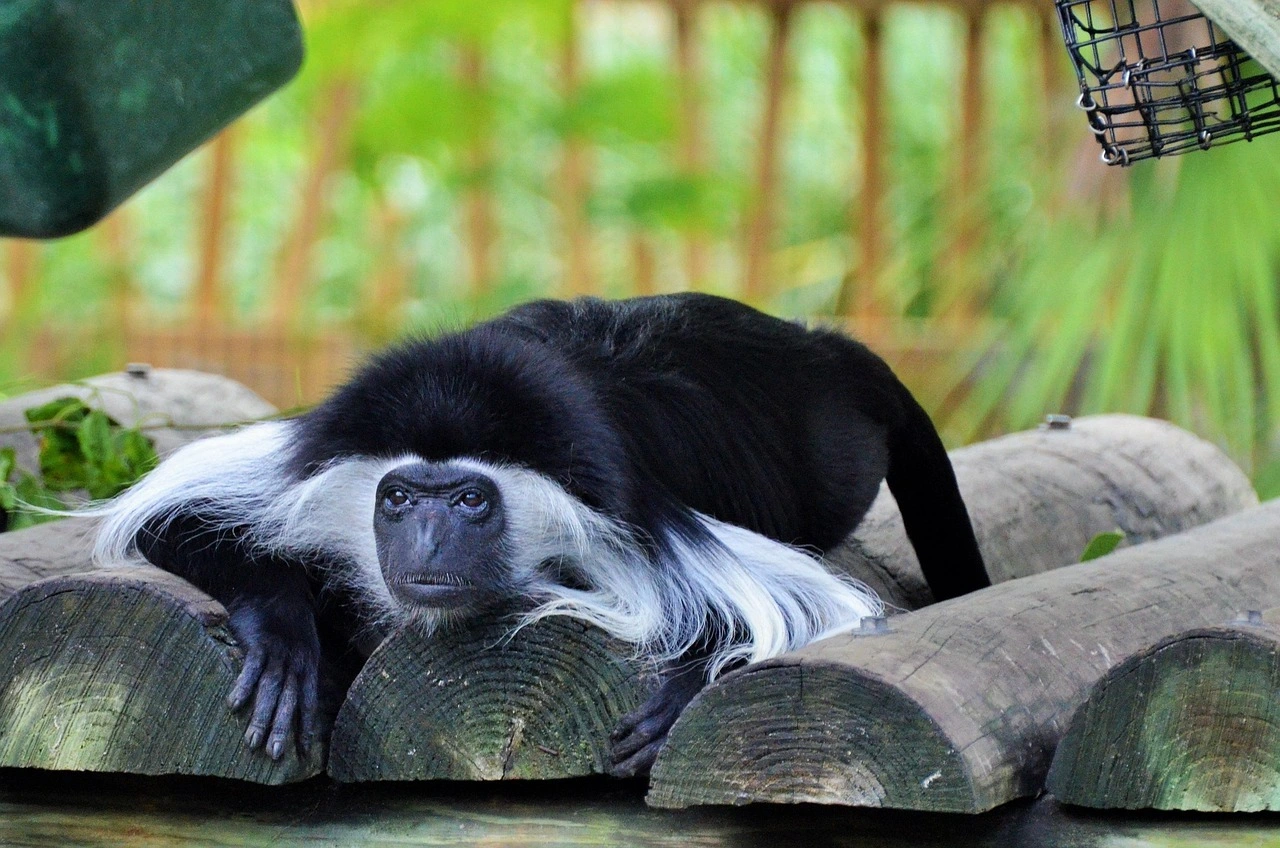
Black-and-white colobus have glossy black bodies with contrasting white facial hair, shoulder mantle and tail. Their reduced thumbs are an adaptation associated with life in the canopy.
Groups usually contain an adult male, several females and young, though group structure varies. Their specialised stomach allows efficient digestion of leaves that many primates cannot use.
Safari context in Kenya: Within the current Greatlink Safaris destination network, useful places to look for this species include Aberdare National Park. Sightings remain natural and unpredictable, so Greatlink Safaris plans around habitat, season and realistic wildlife expectations rather than guarantees. Travellers can also explore the Kenya wildlife guide or compare private Kenya safaris that visit suitable ecosystems.
Conservation: The species is Least Concern overall, but forest loss and fragmentation can isolate local populations. For the latest global assessment and taxonomic notes, consult the IUCN conservation reference. Kenya protected area information is also available from the Kenya Wildlife Service.
Interesting facts and identification clues
- Colobus monkeys lack a fully developed thumb, aiding fast movement through branches.
- A multi-chambered stomach supports digestion of fibrous leaves.
- Infants are born with mostly white coats that darken with age.
- They spend far less time on the ground than baboons.
- Quiet forest-edge observation is more effective than searching from open plains.
Responsible viewing: Keep a respectful distance, avoid blocking the animal’s route, keep noise low and follow the driver guide’s instructions. Wildlife behaviour changes with weather, breeding, food, water and human pressure, so every encounter should be treated as an unscripted observation.
Content reviewed 1 Oct 2026