1
Journey overview
About this safari
This private 14-day Kenya Wildlife Photography Safari is designed for photographers who want habitat variety, repeated field time and enough flexibility to work with changing light and animal behaviour. The route links Samburu National Reserve, the Aberdare highlands, Solio Game Reserve, Masai Mara National Reserve, Lake Nakuru National Park, Lake Naivasha and Amboseli National Park.
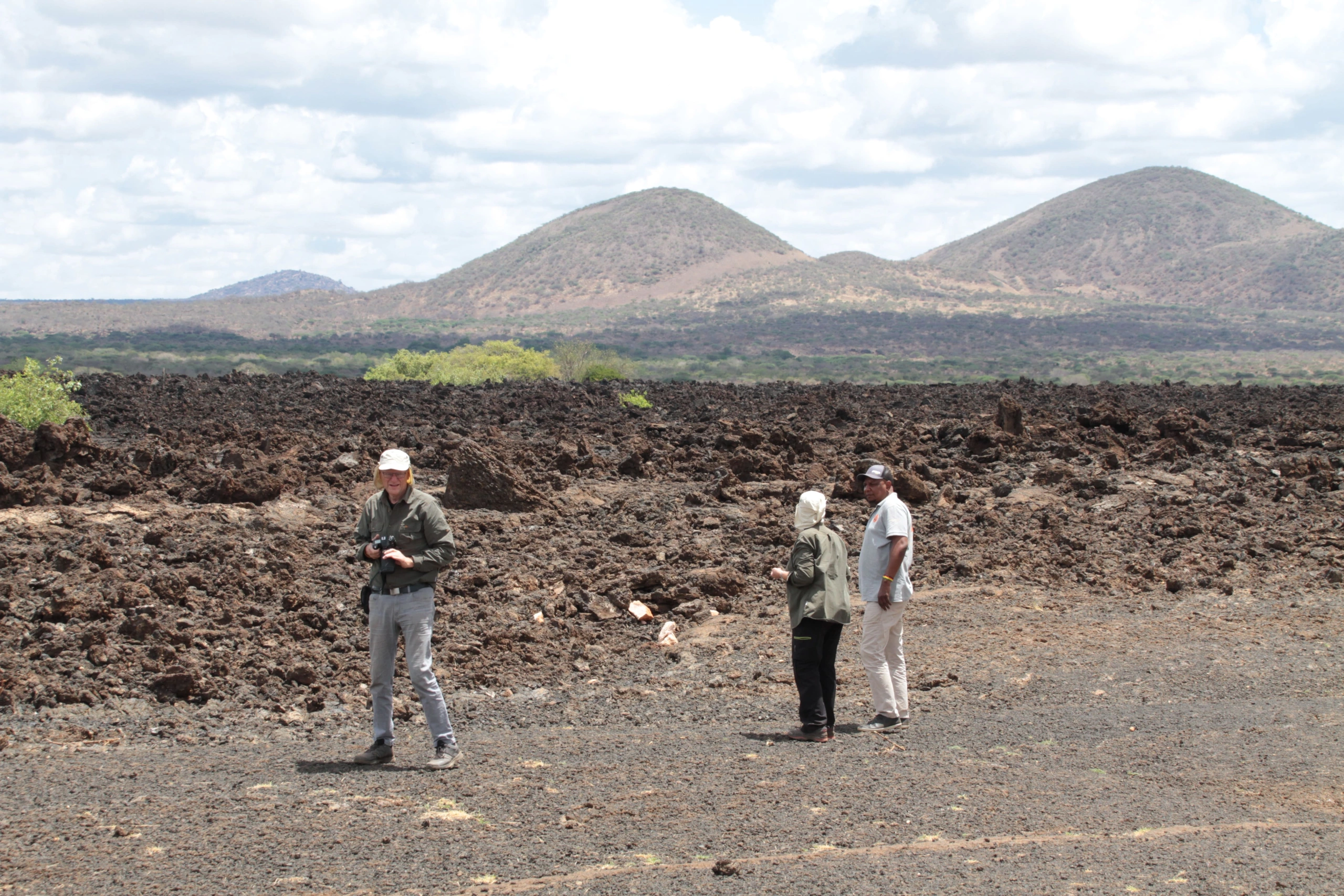
The safari opens with three nights in Samburu, where northern Kenya’s dry-country landscapes provide distinctive photographic subjects: Grevy’s zebra, reticulated giraffe, Beisa oryx, gerenuk, Somali ostrich, elephants, big cats and colourful arid-zone birds. The Ewaso Nyiro River adds riverine woodland, doum palms and opportunities for wider environmental compositions.
The journey then climbs into the Aberdare highlands for a change of pace and scenery. At Aberdare Country Club, escorted nature walks in the private sanctuary may provide ground-level photographic opportunities with giraffe, zebra, impala and eland, subject to weather and the club’s operating arrangements. The following day is dedicated to Solio Game Reserve, a private conservation area internationally recognised for pioneering rhino conservation and for one of Africa’s largest populations of black and white rhinos.
Three nights in the Masai Mara follow, with two full photography days for lion, cheetah, leopard, elephants, plains game, raptors and wider savannah storytelling. During migration season, wildebeest and zebra may move through the greater Mara ecosystem. Mara Conservancy notes that migration activity commonly begins around June or July and can continue into November; exact river crossings remain unpredictable.
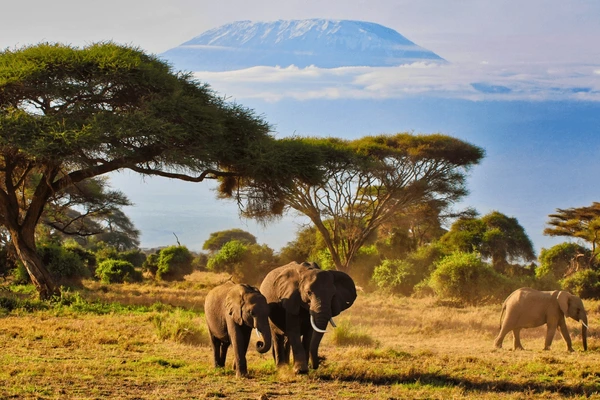
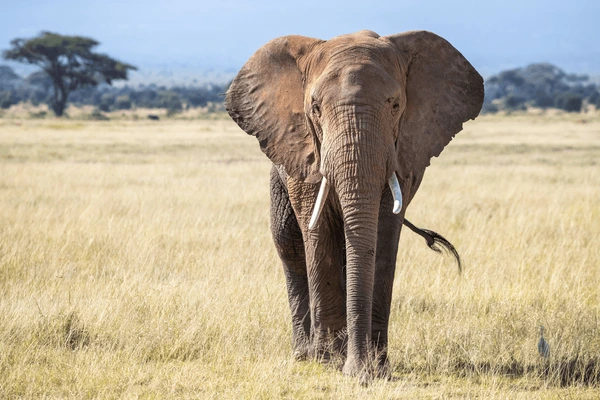
Lake Nakuru adds black and white rhinos, approximately 450 recorded bird species and dramatic lake-and-escarpment scenery. The route then moves to Lake Naivasha for a boat excursion and Crescent Island walking safari, allowing a completely different photographic perspective at ground level. From there, continue to Amboseli for three nights focused on elephant herds, wetlands, birdlife, open plains and the possibility of wildlife-and-Kilimanjaro compositions.
This package is operated as a private photography safari. Game-drive timing can prioritise sunrise and late-afternoon light, patient observation, behaviour, bird photography, environmental portraits and landscape work. All photography remains subject to protected-area rules, legal roads, designated walking areas and responsible wildlife-viewing distances.
The standard vehicle is a private pop-up-roof 4x4 Land Cruiser. Photographers can request reduced passenger density, extra gear space, bean-bag supports and a specialist photographic guide. Accommodation is offered at Economy, Standard or Luxury level, but location and access are treated as important photographic considerations rather than simply room standard.
Greatlink Safaris does not publish a fixed package price. The final quotation depends on travel dates, traveller category, number of photographers, vehicle configuration, accommodation location, park and reserve fees, guide requirements, optional activities and photographic equipment needs.
Safari highlights
Why travellers choose this journey
- Three nights in Samburu: photograph the Special Five, elephants, predators, dry-country birds and dramatic northern landscapes.
- Equator & Mount Kenya region: use the road journey for travel, landscape and environmental photography when conditions permit.
- Aberdare sanctuary walk: photograph giraffes, zebras, impalas and elands on an escorted nature walk at Aberdare Country Club when operating conditions allow.
- Solio rhino photography: spend a full day in one of Kenya’s most important private rhino-conservation landscapes.
- Three nights in the Masai Mara: dedicate two full days to big cats, plains wildlife, birds and savannah storytelling.
- Migration potential: photograph large wildebeest and zebra herds during the appropriate season without promising a river crossing.
- Lake Nakuru: work with black and white rhinos, pelicans, flamingos when present, escarpment scenery and changing lake light.
- Lake Naivasha: photograph fish eagles, waterbirds, hippos and lake scenery from a boat under safe operating conditions.
- Crescent Island walking safari: photograph plains game and birds on foot in an authorised sanctuary setting.
- Three nights in Amboseli: maximise opportunities for elephant behaviour, wetland wildlife and Kilimanjaro-backed landscapes.
- Private photography vehicle: control the pace of sightings and spend longer with productive subjects.
- Golden-hour emphasis: prioritise early and late light wherever park rules, travel days and conditions allow.
- Ethical photography: no chasing, crowding, road-rule violations or disturbance to force a photograph.
Perfect forWildlife photographers, serious hobbyists, professional photographers, photography clubs, bird photographers, content creators and small private groups who want a broad Kenya photographic circuit.
Journey flow
Where this safari takes you
See the route in travel order, from the first stop to the final destination. Each stage connects directly to the detailed destination guide where available.
2
3
4
5
6
7
8
9
Safari beginsNairobi
Safari endsNairobi
Safari Types
How this journey is designed
These categories describe the style of safari you are booking.
Experiences
Experiences included in this safari
These are activities, encounters or natural spectacles included in or available through this journey.
Day by day
Your safari itinerary
Open each day to view the route, activities, meals, transport and accommodation details.
Meet your Greatlink Safaris driver-guide after breakfast and begin the journey north from Nairobi through Kenya’s central highlands.
Where timing and traffic permit, pause near the Equator for travel photography and continue through the Mount Kenya region. On a clear day, the mountain may be visible, but cloud cover can obscure it at any time.
Descend from the highlands into the drier northern landscape and arrive in the Samburu area for lunch and check-in.
In the afternoon, enter Samburu National Reserve for the first photography drive. Concentrate on the Ewaso Nyiro river corridor and open dry country for elephants, reticulated giraffe, Grevy’s zebra, gerenuk, Beisa oryx, Somali ostrich and other wildlife.
Work with the late-afternoon light until the final legal viewing period, then return for dinner and overnight.
AccommodationSamburu lodge or tented camp — Economy, Standard or Luxury as confirmed. MealsBreakfast; Lunch; Dinner TransportPrivate photography-focused 4x4 Land Cruiser ActivitiesEquator/travel photography; Mount Kenya region landscapes when visible; afternoon Samburu photography; Special Five; elephants; birds
Begin early for cooler temperatures, directional light and increased wildlife activity.
Spend the morning along productive areas of Samburu searching for the Special Five: Grevy’s zebra, reticulated giraffe, Beisa oryx, gerenuk and Somali ostrich. The dry-country palette, open ground and distinctive vegetation provide excellent opportunities for clean backgrounds and environmental portraits.
The Ewaso Nyiro River is a major photographic focus. Elephant families frequently use the river corridor, while riverine woodland can attract leopard and other wildlife. Predator sightings remain unpredictable and should be photographed patiently without crowding.
Return to the lodge for lunch and image backup if practical, then head out again in the afternoon for golden-hour photography.
Dinner and overnight in Samburu.
AccommodationSame Samburu lodge or tented camp. MealsBreakfast; Lunch; Dinner TransportPrivate photography-focused 4x4 Land Cruiser ActivitiesSpecial Five photography; elephant behaviour; riverine landscapes; big-cat search; dry-country birds; golden-hour photography
Use the second full day to revisit productive territories and broaden the photographic story beyond the headline species.
Start with early light for silhouettes, dust, birds and environmental compositions. Depending on current sightings, the guide can spend longer with elephant groups, giraffes, zebras, antelope or predators rather than repeatedly changing locations.
Samburu is also excellent for bird photography, including vulturine guineafowl, hornbills, starlings, bee-eaters and raptors.
The middle of the day can be used for rest and backing up images, followed by a second long afternoon session until sunset.
Return for dinner and the third night in Samburu.
AccommodationSame Samburu lodge or tented camp. MealsBreakfast; Lunch; Dinner TransportPrivate photography-focused 4x4 Land Cruiser ActivitiesWildlife behaviour; environmental portraits; bird photography; creative backlighting; final Samburu sunset session
Begin with an early photography drive in Samburu before breakfast when the schedule permits. Check out and travel south toward the cooler Aberdare highlands.
Arrive at Aberdare Country Club or the confirmed nearby base for lunch and check-in.
In the afternoon, join an escorted nature walk in the club’s private sanctuary when weather, wildlife and guide availability allow. Current club information lists giraffe, zebra, impala and eland among the wildlife that may be encountered on these walks.
Walking creates a very different photographic perspective from a vehicle. Use shorter telephoto and wider environmental compositions while following the escort’s safety instructions at all times.
Return to the club for dinner and overnight.
AccommodationAberdare Country Club or another confirmed Aberdare/Solio-area property. MealsBreakfast; Lunch; Dinner TransportPrivate road transfer; escorted walking activity ActivitiesEarly Samburu photography when practical; highland transfer; escorted giraffe/wildlife nature walk; landscape photography
After an early breakfast, depart for a full photography day in Solio Game Reserve.
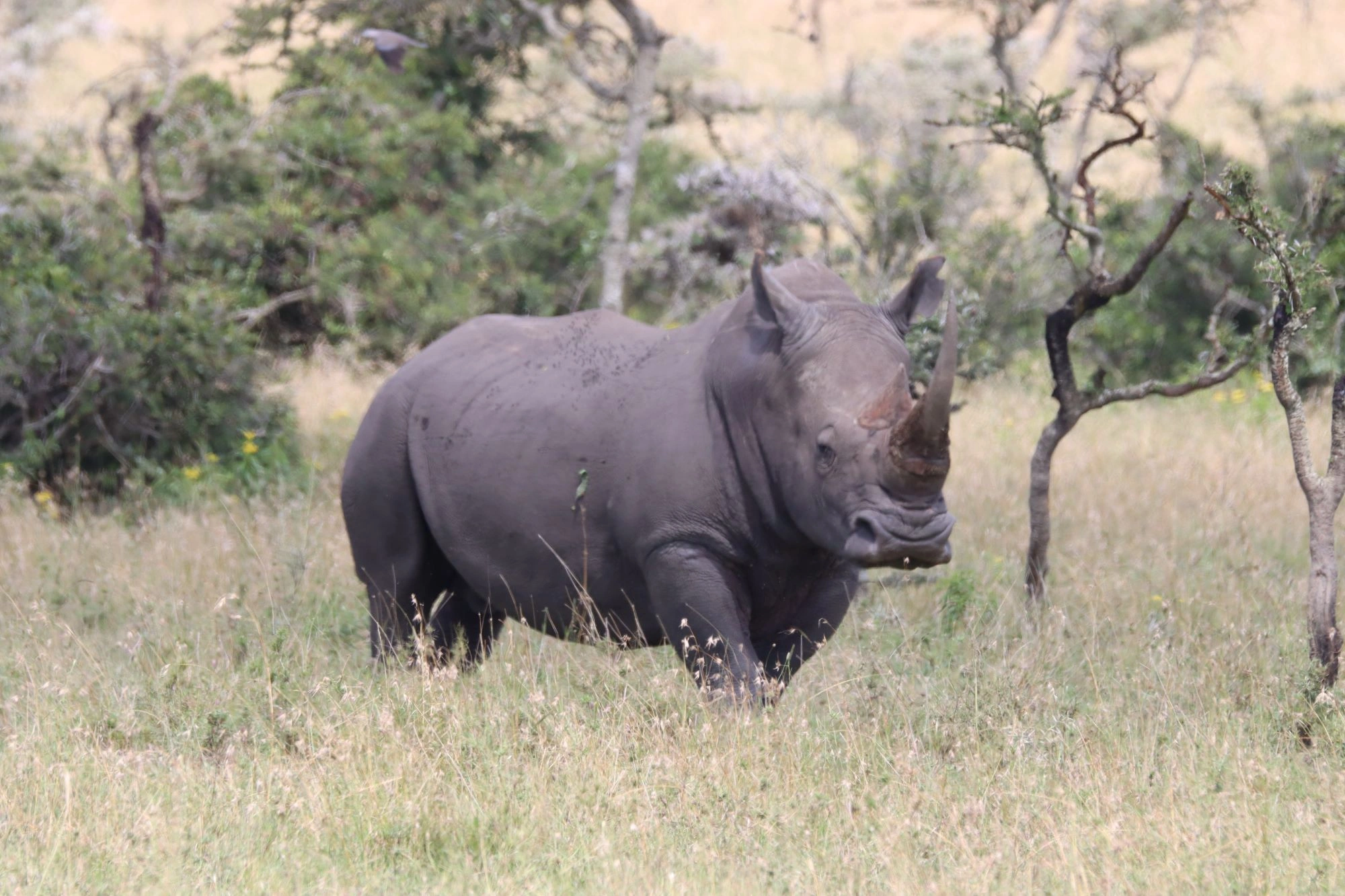
Solio is one of Kenya’s most significant private rhino-conservation landscapes and is especially rewarding for photographers hoping to work with both black and white rhinos. The reserve also supports buffalo, giraffe, zebra, antelope, leopard and other wildlife, but no species is guaranteed.
Spend the morning working patiently with rhino behaviour, open grassland, forest edges, water, mist or mountain backdrops according to weather and animal movement.
A picnic lunch inside the reserve is only used when prior approval has been obtained from Solio management; otherwise lunch will be arranged outside the reserve or according to the confirmed day plan.
Continue the afternoon photography session until the reserve’s operating time requires departure. Roads can become slippery after rain, so the driver-guide will prioritise safety and may alter the route when necessary.
Return to the Aberdare/Solio-area hotel for dinner and overnight.
AccommodationSame Aberdare Country Club / Solio-area base. MealsBreakfast; Lunch or approved picnic arrangement; Dinner TransportPrivate photography-focused 4x4 Land Cruiser ActivitiesBlack and white rhino photography; landscapes; buffalo/giraffe/plains wildlife; bird photography; conservation storytelling
After breakfast, check out and begin the long road journey toward the Masai Mara.
The route crosses the central highlands and Great Rift Valley before continuing toward Narok and the wider Mara ecosystem. Travel time varies with traffic, road condition and the selected accommodation.
Arrive in the Masai Mara area for lunch or later in the afternoon according to the actual journey. After check-in and rest, begin the first photography drive in Masai Mara National Reserve if gate times and daylight permit.
Use the first session to become familiar with the landscape and start searching for lion, cheetah, leopard, elephant, buffalo and plains wildlife.
Return for dinner and overnight.
AccommodationMasai Mara lodge or tented camp — Economy, Standard or Luxury as confirmed. MealsBreakfast; Lunch; Dinner TransportPrivate photography-focused 4x4 Land Cruiser; long road transfer ActivitiesGreat Rift Valley travel photography; afternoon Mara photography when timing permits; big-cat search
Begin the first full Mara day as early as reserve rules permit.
Search for lion, cheetah and leopard while also working with elephants, giraffes, buffalo, zebra, wildebeest, topi, gazelles, hyenas and birds.
Photography is deliberately patient. When a productive sighting is found, remain long enough for behaviour to develop rather than chasing multiple animals across the reserve. Vehicle positioning remains within the rules of the sector being visited.
The day can be split around a midday lodge break or run as a full-day drive with picnic lunch.
Use late-afternoon light for backlit subjects, silhouettes and wider savannah compositions before returning for dinner.
AccommodationSame Masai Mara lodge or tented camp. MealsBreakfast; Lunch or picnic lunch; Dinner TransportPrivate photography-focused 4x4 Land Cruiser ActivitiesLion, cheetah and leopard photography; plains wildlife; bird photography; behaviour; golden-hour work
Spend a second full day in the Masai Mara with the route determined by current wildlife conditions.
Where practical, explore toward the Mara River for hippos, Nile crocodiles, riverine landscapes and associated birdlife. During migration season, wildebeest and zebra may gather near crossing areas.
River crossings are unpredictable. If herds begin to mass, the guide will maintain a legal, non-obstructive position and avoid pressuring the animals. Mara Conservancy specifically warns against approaching too closely or blocking migrating wildebeest.
Outside the migration period, focus on resident predators, elephants, plains game, raptors and landscape storytelling.
Return after the final light for dinner and the last night in the Mara.
AccommodationSame Masai Mara lodge or tented camp. MealsBreakfast; Lunch or picnic lunch; Dinner TransportPrivate photography-focused 4x4 Land Cruiser ActivitiesMara River; hippos; crocodiles; migration in season; wildlife behaviour; ethical crossing photography; landscapes
After breakfast, check out and enjoy final photography opportunities as you travel toward the Mara exit gate.
Continue by road through the Rift Valley toward Lake Nakuru National Park, arriving for lunch and check-in according to traffic and road conditions.
In the afternoon, begin a photography drive focused on the park’s black and white rhinos, Rothschild’s giraffe, buffalo, waterbuck, zebra and rich birdlife.
Flamingos may be present along the lake edge, but their numbers change naturally with lake conditions. Rather than treating the park only as a “pink lake,” use the changing water, escarpment, fever trees and wildlife to build varied compositions.
Where time and road access permit, include viewpoints such as Baboon Cliff or the Makalia Falls area before returning for dinner and overnight.
AccommodationLake Nakuru/Nakuru-area lodge or tented camp. MealsBreakfast; Lunch; Dinner TransportPrivate photography-focused 4x4 Land Cruiser ActivitiesFinal Mara photography; Rift Valley transfer; rhino photography; bird photography; flamingos when present; viewpoints
Begin with an early Lake Nakuru photography drive before breakfast when lodge location and park timing make it practical. Early light can be especially attractive around the lake, woodland and rhino habitat.
Return for breakfast, check out and drive to Lake Naivasha. Arrive for lunch and prepare for the afternoon water-and-walking photography programme.
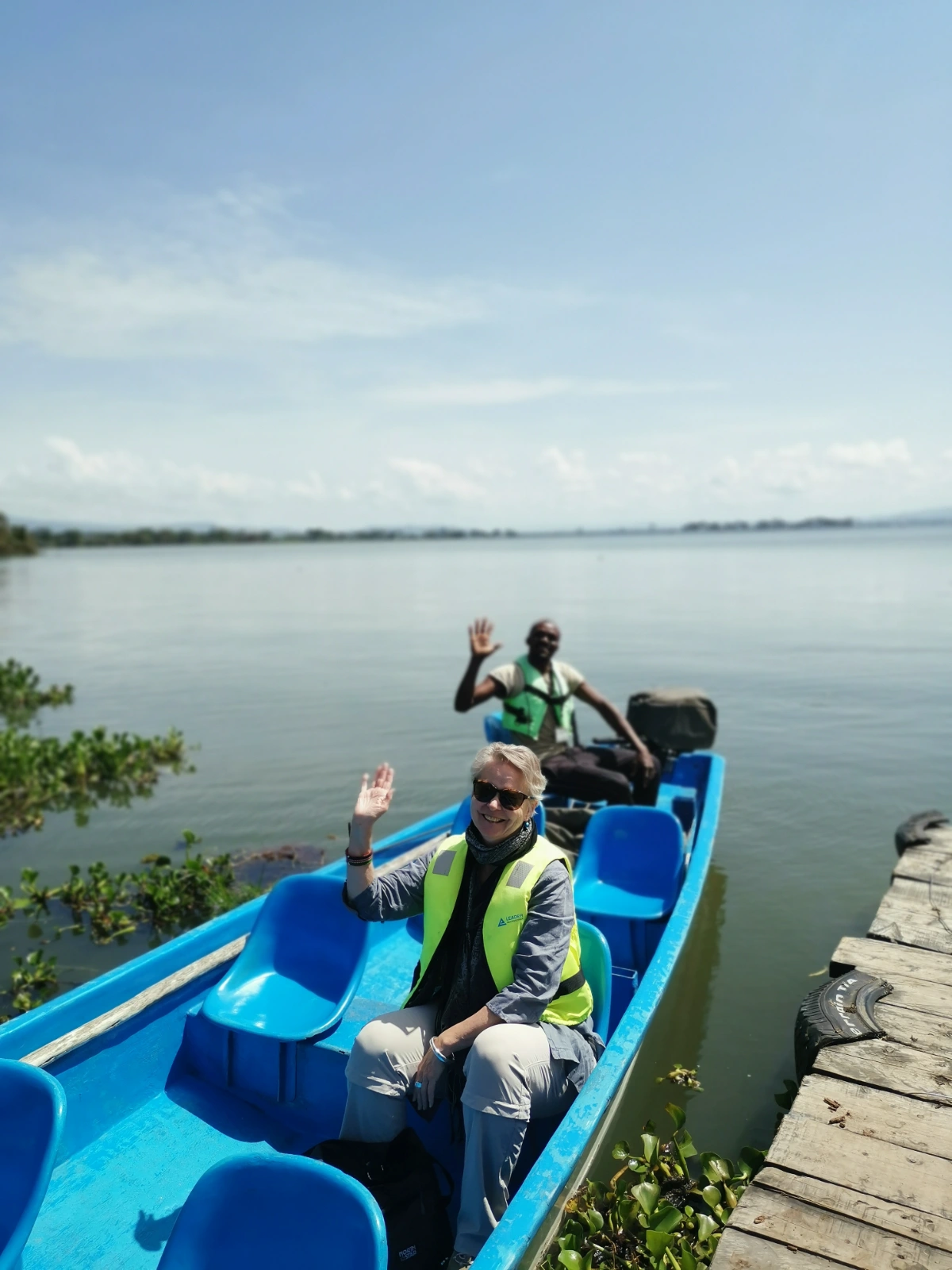
Take a boat transfer on Lake Naivasha with opportunities to photograph African Fish Eagles, cormorants, pelicans, herons, kingfishers, hippos and lakeside scenery. Boat positioning remains subject to the captain’s safety decisions and respectful wildlife distances.
Continue by boat to Crescent Island Game Sanctuary. The island is currently boat-access only and offers authorised walking safaris among plains wildlife and birds.
Use the walk for ground-level environmental photographs of giraffe, zebra, antelope and other sanctuary wildlife while following the local guide’s instructions. Return by boat before the sanctuary’s closing requirements.
Dinner and overnight in the Lake Naivasha area.
AccommodationLake Naivasha hotel or lodge — Economy, Standard or Luxury as confirmed. MealsBreakfast; Lunch; Dinner TransportPrivate road transfer; Lake Naivasha boat; Crescent Island walking safari ActivitiesLake Nakuru sunrise photography; Lake Naivasha birds and hippos; boat photography; Crescent Island walking photography
After breakfast, check out and begin the road journey from Lake Naivasha toward Amboseli, travelling through the Nairobi transport corridor and then south toward the Amboseli ecosystem.
The day is treated as a scenic transfer rather than using urban poverty or informal settlements as a sightseeing attraction. Photography stops are made only where safe, respectful and appropriate.
Arrive in the Amboseli area for lunch or early afternoon depending on traffic. Check in and prepare for the first game drive in Amboseli National Park.
Spend the afternoon photographing elephant herds, plains wildlife, wetlands and birds. If cloud conditions cooperate, Mount Kilimanjaro may appear across the southern horizon.
Use the late light for environmental compositions and silhouettes before returning for dinner and overnight.
AccommodationAmboseli lodge or tented camp — Economy, Standard or Luxury as confirmed. MealsBreakfast; Lunch; Dinner TransportPrivate photography-focused 4x4 Land Cruiser ActivitiesScenic road transfer; afternoon Amboseli photography; elephant herds; wetlands; birds; Kilimanjaro when visible
Start early to maximise the chance of clear Kilimanjaro conditions and active wildlife.
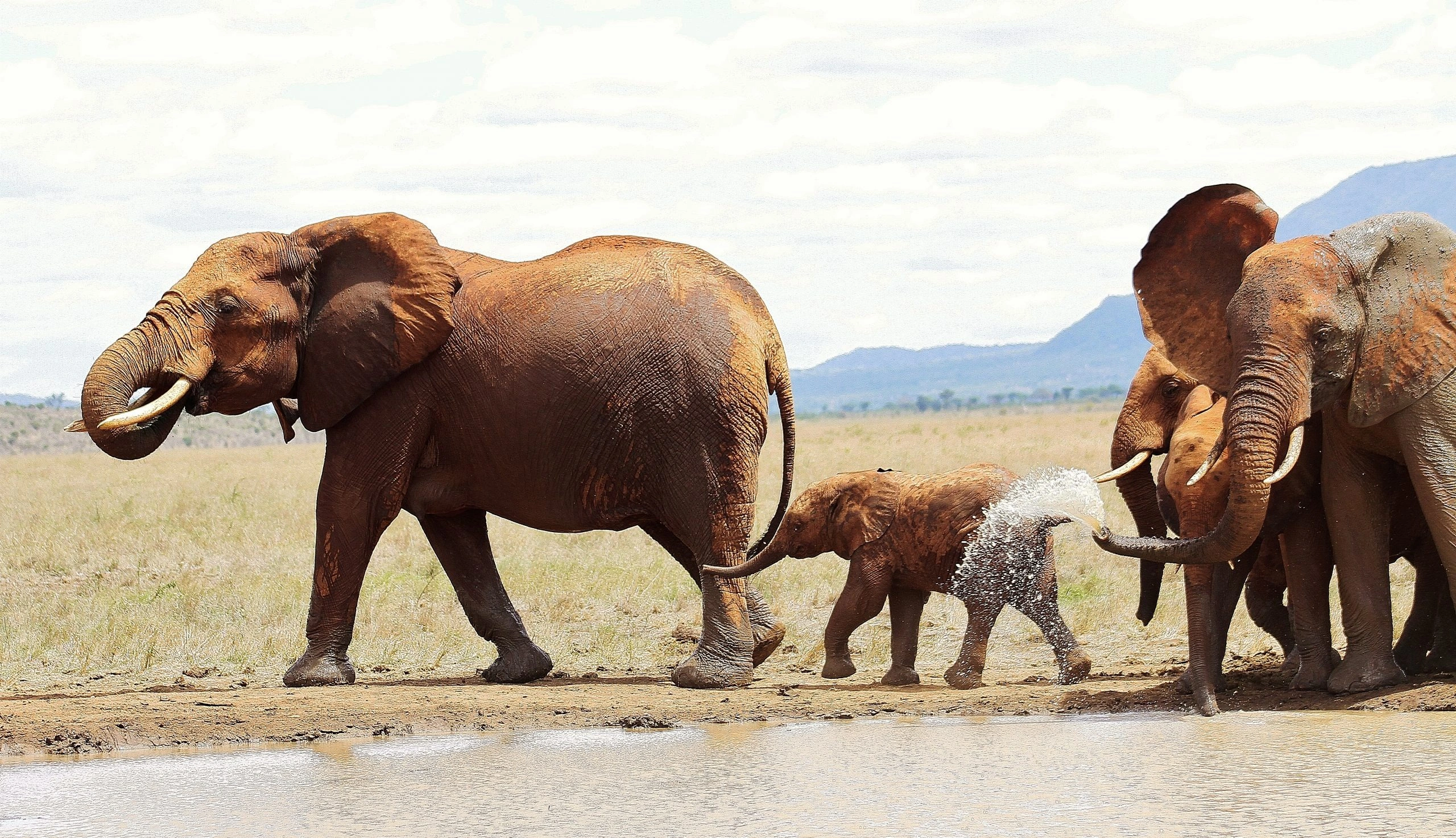
Work on elephant family behaviour, long-lens portraits and wider compositions that place animals within the Amboseli landscape. Open plains can also provide excellent opportunities with giraffe, zebra, wildebeest and predators.
Return to the lodge for breakfast and midday rest when appropriate, using the break to charge batteries and back up images.
In the afternoon, concentrate on wetland wildlife and birds. Elephants moving through water, buffalo, hippos, waterbirds and raptors provide a different visual story from the dry plains.
Remain in the field until the end of the permitted game-viewing period, using dust and low-angle light creatively where conditions allow.
AccommodationSame Amboseli lodge or tented camp. MealsBreakfast; Lunch; Dinner TransportPrivate photography-focused 4x4 Land Cruiser ActivitiesKilimanjaro sunrise opportunity; elephant behaviour; wildlife portraits; wetland photography; bird photography; sunset light
Use the final complete Amboseli day to respond to weather and subjects that have developed during the previous sessions.
If Kilimanjaro was hidden the previous morning, make another early attempt for wildlife-and-mountain compositions. If the mountain is already photographed successfully, focus instead on elephant behaviour, birds, predators or landscape details.
Where routing permits, include Observation Hill for panoramic images across the basin. This is a designated area where visitors can leave the vehicle and photograph the broader park landscape.
The afternoon is kept flexible for the strongest current sighting and the final full golden-hour session of the safari.
Return for dinner, final file backup and the last overnight in Amboseli.
AccommodationSame Amboseli lodge or tented camp. MealsBreakfast; Lunch or picnic lunch; Dinner TransportPrivate photography-focused 4x4 Land Cruiser ActivitiesSunrise photography; elephants; birdlife; Observation Hill when practical; landscapes; final golden-hour field session
After breakfast, check out and begin the drive back to Nairobi. Depending on departure time and lodge location, a short final wildlife-viewing opportunity may be possible before leaving the Amboseli ecosystem.
Arrive in Nairobi for lunch according to traffic conditions.
If sufficient time remains before the international flight, optional Nairobi photography can include the Giraffe Centre for giraffe portraits and conservation context or the Karen Blixen Museum for architecture, gardens and heritage details. These visits are only included when specifically confirmed.
Where the flight schedule allows, conclude with a farewell dinner at Carnivore Restaurant before transfer to the airport or agreed Nairobi hotel.
The 14-day photography safari ends at the confirmed Nairobi drop-off point.
AccommodationNo accommodation included after the Nairobi drop-off unless separately requested. MealsBreakfast; Lunch; Farewell Dinner when departure timing permits TransportPrivate Amboseli–Nairobi road transfer; optional Nairobi excursion transport; airport/hotel drop-off ActivitiesFinal Amboseli opportunity; scenic return; optional Giraffe Centre/Karen Blixen photography; farewell dinner
Shape your safari
Safari choices for your quotation
Select the options that interest you when requesting a quote. No fixed public price is shown because the final quotation depends on dates, traveller numbers, availability and your preferred travel style.
Accommodation
Good-value accommodation selected with practical access to the photography areas, reliable meal arrangements and charging where available.
Comfortable mid-range lodges or tented camps selected for location, early field access, charging and overall photographic convenience.
Premium properties selected for stronger location, service, comfort and photographic access while preserving the same route.
Transport
Request reduced passenger density and additional working space for camera bodies, large lenses, bean bags and other photographic equipment.
Equipment
Request bean-bag supports for long-lens photography from the safari vehicle. Quantity and type are subject to availability.
Guide
Add a specialist photographic guide or professional photographer for the entire safari or selected destinations, subject to availability.
Experience
Request an additional Solio Rhino Orphanage experience, subject to Solio availability, operating arrangements and separate confirmation.
Upgrade to a private bird-and-wildlife photography boat session with timing and duration tailored around safe lake conditions and operator availability.
Optional sunrise hot-air balloon safari for aerial landscapes and wildlife perspectives, subject to weather and operator rules.
Service
English-speaking guiding is standard. Another available language may be requested, with preference for guides experienced in photography-focused safaris.
Before you travel
Know before you go
Photography vehicle: the safari is private. A pop-up-roof 4x4 Land Cruiser is standard. A reduced-passenger photography configuration can be requested so photographers have better access to windows, roof openings and camera gear.
Camera support: bean bags can be provided where available and confirmed. Travellers carrying 400 mm, 500 mm, 600 mm or similarly large lenses should advise Greatlink Safaris before travel so vehicle space and baggage can be planned properly.
Charging and backups: charging facilities vary between lodges and camps. Photographers should carry spare batteries, sufficient memory cards, adapters and at least two backup storage solutions. Accommodation with dependable charging can be prioritised during quotation.
Dust and weather protection: Samburu, the Mara and Amboseli can be dusty during dry periods, while Aberdare and Solio can become wet and muddy. Protective camera covers, lens cloths, sealed bags and basic sensor-cleaning equipment are recommended.
Samburu: Samburu National Reserve is separate from Buffalo Springs and Shaba. This itinerary photographs inside Samburu unless another reserve is expressly added. Wildlife is free-ranging and no Special Five species or predator sighting is guaranteed.
Aberdare Country Club: the club’s current activities include escorted nature walks where giraffe, zebra, impala and eland may be encountered. Walking photography follows the escort’s safety instructions and is subject to weather, wildlife conditions and club availability. See Aberdare Country Club guest information.
Solio: Solio Game Reserve describes itself as the world’s oldest private Eastern Black Rhino sanctuary and home to one of the largest black-and-white rhino populations in Africa. No fixed rhino count is promised in this package. Solio prohibits drones and requires visitors to follow its reserve rules. Picnic stops require prior approval. See the official Solio Game Reserve website.
Masai Mara: photography remains subject to the rules of the reserve sector being visited. Mara Conservancy restricts crowding at sightings, and when more than five vehicles are waiting to view an animal, viewing time can be limited. Greatlink Safaris will not request rule-breaking for a photograph. See Mara Triangle park rules.
Migration: migration activity usually begins around June or July and can continue into November, but exact herd locations and river crossings vary with rainfall and grazing. Crossings cannot be scheduled or guaranteed.
Lake Nakuru: Kenya Wildlife Service describes the park as a flagship sanctuary for both black and white rhinos and records approximately 450 bird species. Flamingo concentrations vary naturally with water levels and food conditions. KWS requires visitors to stay on established roads and observe wildlife from an appropriate distance.
Lake Naivasha boat: boating is subject to weather, lake conditions and operator safety decisions. Hippos must always be given substantial space.
Crescent Island: the sanctuary is currently accessed by boat. Crescent Island states that boat operators are independent from the sanctuary, with island entry handled separately. Walking is undertaken only in authorised areas and according to sanctuary guidance. See the official Crescent Island visitor information.
Amboseli: Kenya Wildlife Service highlights Amboseli’s elephant herds, over 400 bird species and Kilimanjaro backdrop. Mountain visibility depends on cloud and weather conditions. Vehicles must remain on established roads and trails and follow park safety rules.
Commercial filming: normal private still photography is different from commercial or documentary filming. Mara Conservancy confirms that private still photography does not attract its filming fee, while commercial productions require relevant permits. Professional productions must confirm all necessary national and protected-area permissions before travel.
Drones: drone use is not included. Solio explicitly prohibits drones, and other protected areas are subject to Kenyan aviation and wildlife-area restrictions. Never assume a drone may be flown on safari.
Road journeys: several transfer days are long. Distances and times are estimates and can change because of traffic, roadworks, rain, route condition, stops and accommodation location.
Included
What is included
- Private pick-up from the agreed Nairobi hotel, airport or meeting point on Day 1.
- Private road safari transport throughout the 14-day itinerary in a pop-up-roof 4x4 Land Cruiser unless another photography vehicle configuration is confirmed.
- Private use of the safari vehicle by the confirmed photography party rather than seat-in-vehicle game drives.
- Services of an experienced English-speaking driver-guide with wildlife knowledge and an understanding of photography-focused positioning, patience and light.
- Other guide languages where specifically requested and confirmed.
- Three nights’ accommodation in the Samburu area.
- Two nights’ accommodation at Aberdare Country Club or another confirmed Aberdare/Solio-area base.
- Three nights’ accommodation in the Masai Mara.
- One night’s accommodation in the Lake Nakuru/Nakuru area.
- One night’s accommodation in the Lake Naivasha area.
- Three nights’ accommodation in the Amboseli area.
- Accommodation in the selected Economy, Standard or Luxury category, with location and photographic access considered during selection.
- Meals specifically shown in the confirmed itinerary, including picnic lunches where arranged.
- Samburu National Reserve conservation/entry fees for the included photography drives.
- Solio Game Reserve entry/conservation fees for the confirmed Day 5 photography visit.
- Masai Mara conservation/entry fees applicable to the confirmed reserve sector, accommodation location, gate use and included safari days.
- Lake Nakuru National Park conservation/entry fees for the included Day 9 and Day 10 game drives.
- Lake Naivasha boat excursion on Day 10 when specifically confirmed, including the agreed boat operator service.
- Crescent Island Game Sanctuary entry and guided walking-safari arrangement where specifically confirmed.
- Amboseli National Park conservation/entry fees for the included Day 11–14 game drives.
- All photography/game drives described in the itinerary within the applicable protected-area rules and operating hours.
- Escorted Aberdare Country Club nature walk on Day 4 where available and confirmed.
- Drinking water in the safari vehicle during Greatlink Safaris road transfers and photography drives.
- Bean-bag camera supports where requested, available and confirmed before travel.
- Reasonable vehicle space for personal photographic equipment disclosed at quotation stage.
- Farewell dinner at Carnivore Restaurant on Day 14 when international-flight timing permits.
- Private Nairobi hotel or airport drop-off at the end of Day 14.
- Emergency medical evacuation cover where expressly included in the final confirmation, subject to provider terms, limits and exclusions.
- Applicable Kenyan government taxes and statutory local levies relating to the services specifically included in the confirmed quotation.
Not included
What is excluded
- International or regional flights to and from Kenya unless specifically added to the quotation.
- Kenya entry authorization, visa, immigration or passport-related charges applicable to the traveller.
- Nairobi accommodation before Day 1 or after Day 14 unless specifically included.
- Comprehensive travel insurance, medical insurance, trip-cancellation insurance, baggage insurance and personal-equipment insurance.
- Insurance for cameras, lenses, laptops, drones, hard drives and other photographic equipment.
- Camera bodies, lenses, memory cards, laptops, storage drives, batteries, chargers, tripods, monopods and personal photographic equipment unless specifically rented through a confirmed supplier.
- Specialist professional photographer/photographic guide unless expressly included in the final quotation.
- A dedicated customised photography-vehicle conversion beyond the standard private 4x4 unless specifically included.
- Commercial filming permits, documentary permits, advertising permissions, location fees or professional production charges.
- Drone permits, drone operation or drone-related services. Drones are prohibited at Solio and may be restricted elsewhere.
- Hot-air balloon safari in the Masai Mara unless separately added.
- Night drives, specialist hides, private photographic hides or off-road access unless expressly authorised and included.
- Optional Aberdare Country Club activities such as horse riding, golf, spa, sundowners or night drives unless specifically added.
- Solio Rhino Orphanage experience unless separately booked and confirmed.
- Any picnic arrangement inside Solio unless prior reserve approval has been obtained and the service is included.
- Additional Lake Naivasha boat time, private specialist birding boat or other water activity beyond the confirmed Day 10 arrangement.
- Giraffe Centre and Karen Blixen Museum entrance fees on Day 14 unless the optional Nairobi excursion is specifically confirmed.
- Alcoholic drinks, premium beverages, soft drinks, minibar items and lodge/camp beverages unless included in the confirmed meal plan.
- Tips and gratuities for driver-guides, local guides, boat crews, lodge staff and other service personnel.
- Laundry, telephone calls, spa treatments, souvenirs and other personal expenses.
- Extra baggage vehicle or cargo services required by unusually large quantities of photographic equipment unless separately quoted.
- Additional accommodation, meals, transport or services arising from voluntary itinerary changes requested after confirmation.
- Costs arising from circumstances beyond the operator’s reasonable control, including severe weather, flooded roads, reserve closure, road closure, government restrictions, force-majeure events or supplier changes, except where applicable booking conditions provide otherwise.