About the Nile Crocodile
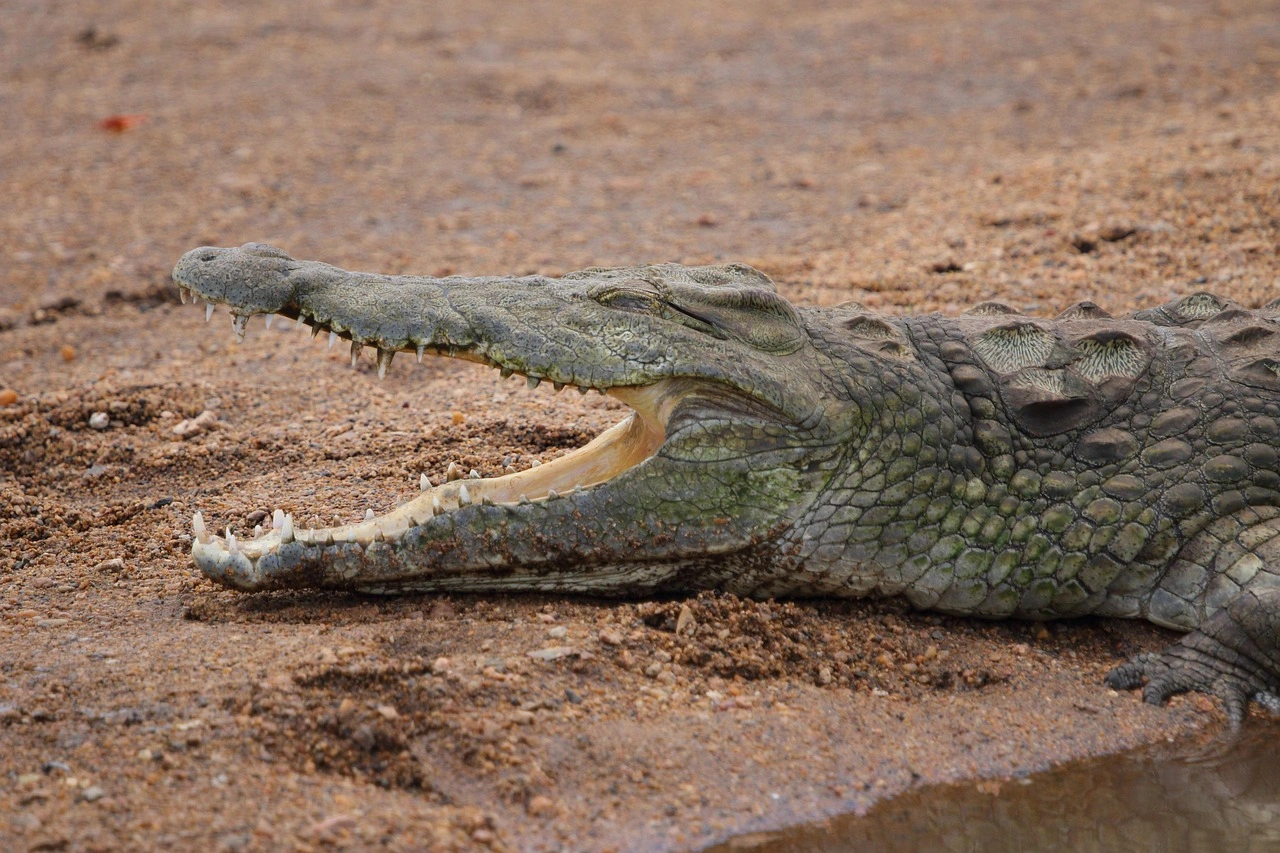
Nile crocodiles have a broad powerful snout, armoured back, muscular tail and eyes and nostrils positioned high on the head. Adults vary from olive-grey to dark brown with banding more obvious in young animals.
They are ambush predators and can remain almost motionless in water before striking. Females guard nests and can show strong parental care around hatchlings.
Safari context in Kenya: Within the current Greatlink Safaris destination network, useful places to look for this species include Tsavo West National Park, Kora National Park, and Meru National Park. Sightings remain natural and unpredictable, so Greatlink Safaris plans around habitat, season and realistic wildlife expectations rather than guarantees. Travellers can also explore the Kenya wildlife guide or compare private Kenya safaris that visit suitable ecosystems.
Conservation: The Nile crocodile is globally Least Concern, although wetland degradation, illegal killing and conflict with people can affect local populations. For the latest global assessment and taxonomic notes, consult the IUCN conservation reference. Kenya protected area information is also available from the Kenya Wildlife Service.
Interesting facts and identification clues
- Eyes and nostrils high on the skull allow crocodiles to watch while mostly submerged.
- They regulate body temperature by moving between water, shade and basking sites.
- Females guard nests and may help hatchlings reach water.
- River crossings involving wildebeest can create seasonal feeding opportunities in the Mara ecosystem.
- Never approach a wild crocodile on foot or stand close to an unprotected water edge.
Responsible viewing: Keep a respectful distance, avoid blocking the animal’s route, keep noise low and follow the driver guide’s instructions. Wildlife behaviour changes with weather, breeding, food, water and human pressure, so every encounter should be treated as an unscripted observation.
Content reviewed 1 Oct 2026