About the Northern White Rhinoceros
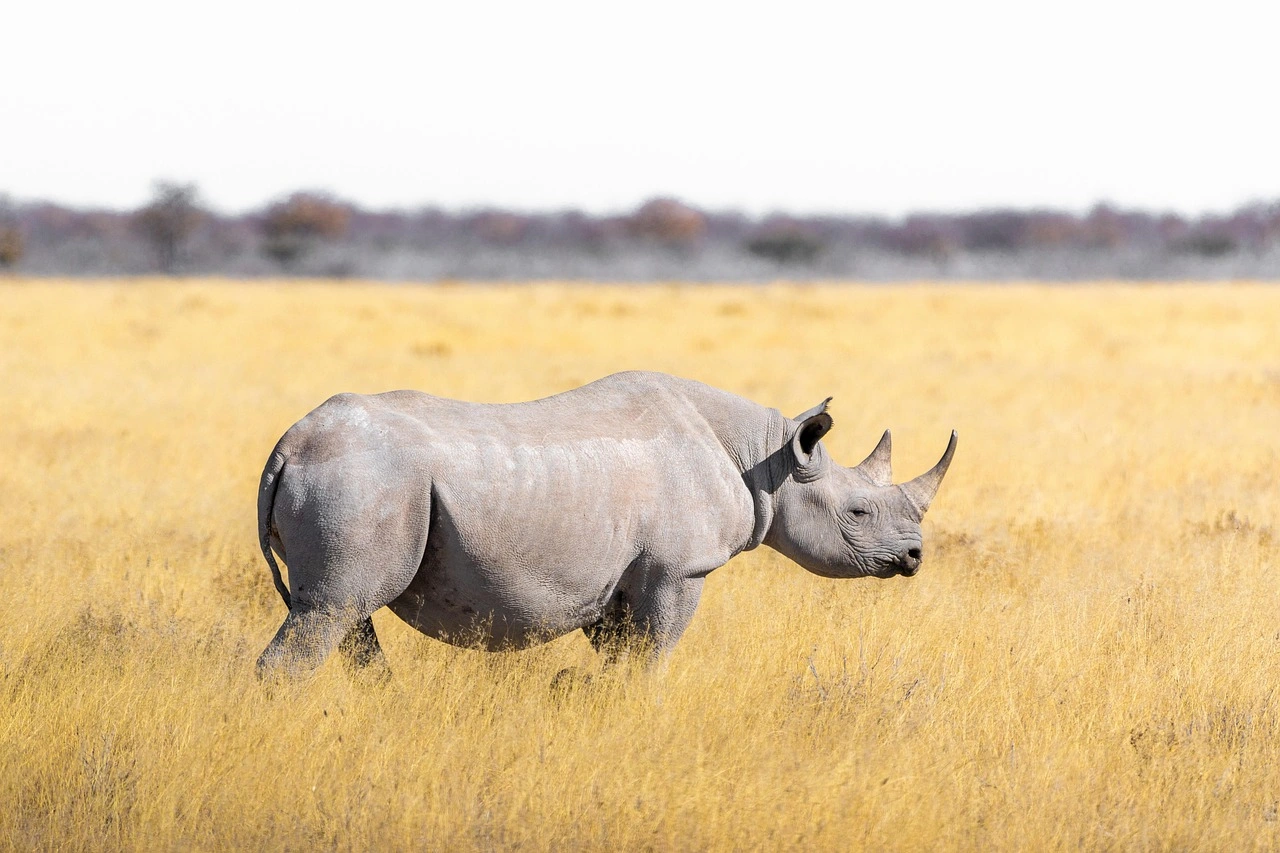
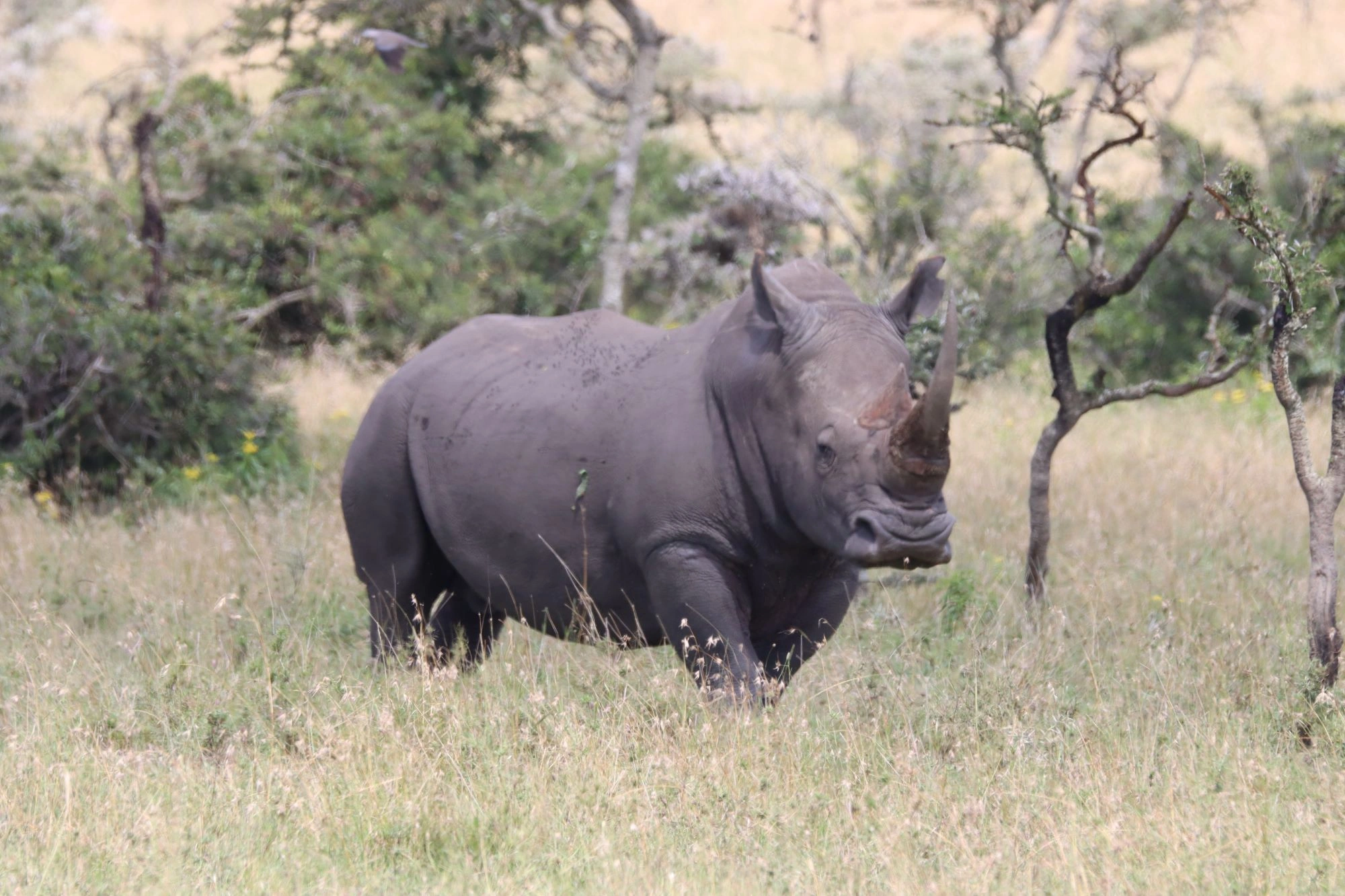
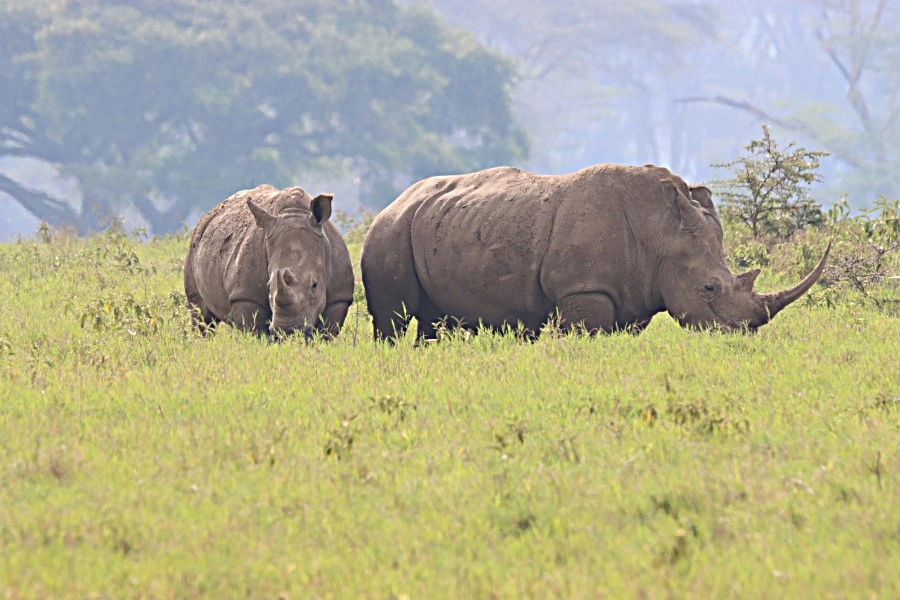
Northern white rhinos are a subspecies of white rhinoceros with the same broad grazing lip and massive body form. Their significance today is primarily conservation, science and the effort to prevent complete extinction.
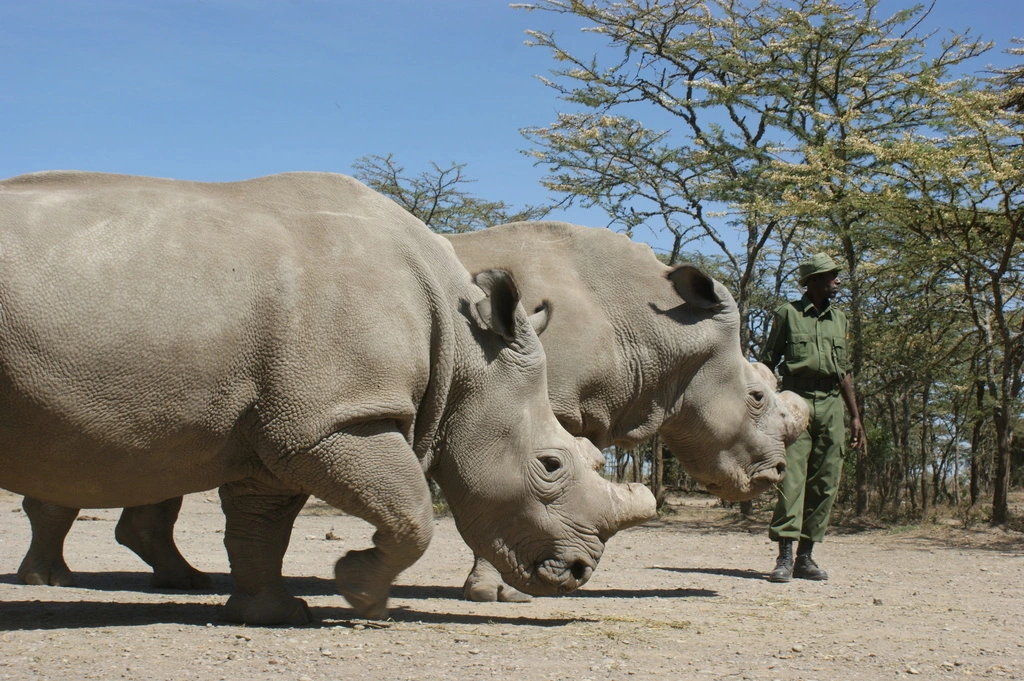
The remaining animals live under continuous protection and veterinary care rather than as a self-sustaining wild population. Assisted-reproduction programmes use preserved genetic material in an attempt to recover the lineage.
Safari context in Kenya: Within the current Greatlink Safaris destination network, useful places to look for this species include Ol Pejeta Conservancy. Sightings remain natural and unpredictable, so Greatlink Safaris plans around habitat, season and realistic wildlife expectations rather than guarantees. Travellers can also explore the Kenya wildlife guide or compare private Kenya safaris that visit suitable ecosystems.
Conservation: Northern white rhinoceros is Critically Endangered and functionally extinct in the wild. Conservation work is focused on advanced reproductive science and the protection of the last living females at Ol Pejeta. For the latest global assessment and taxonomic notes, consult the IUCN conservation reference. Kenya protected area information is also available from the Kenya Wildlife Service.
Interesting facts and identification clues
- The last two known living northern white rhinos are females at Ol Pejeta Conservancy.
- There is no naturally breeding wild population.
- Assisted reproduction research uses stored sperm and embryos produced from northern white rhino genetic material.
- This is a conservation visit, not a conventional wild-rhino encounter.
- Visitors should follow Ol Pejeta guidance because welfare and security take priority over viewing.
Responsible viewing: Keep a respectful distance, avoid blocking the animal’s route, keep noise low and follow the driver guide’s instructions. Wildlife behaviour changes with weather, breeding, food, water and human pressure, so every encounter should be treated as an unscripted observation.
Content reviewed 1 Oct 2026