
 Wildebeest
Abundant
Overview
Masai Mara National Reserve Travel Guide
Masai Mara National Reserve is Kenya’s best-known safari landscape and one of Africa’s most productive wildlife areas. Open grasslands support huge herbivore populations and, in turn, strong numbers of lion, cheetah, leopard, spotted hyena and other predators. Wildlife viewing remains excellent throughout the year.
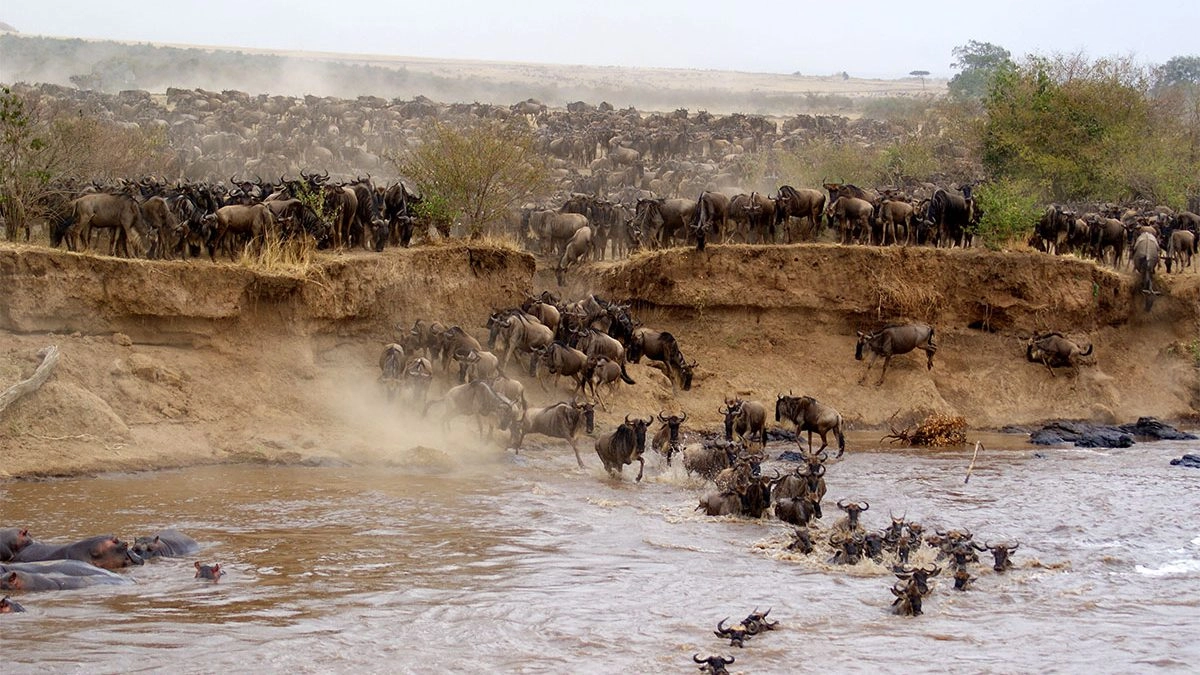
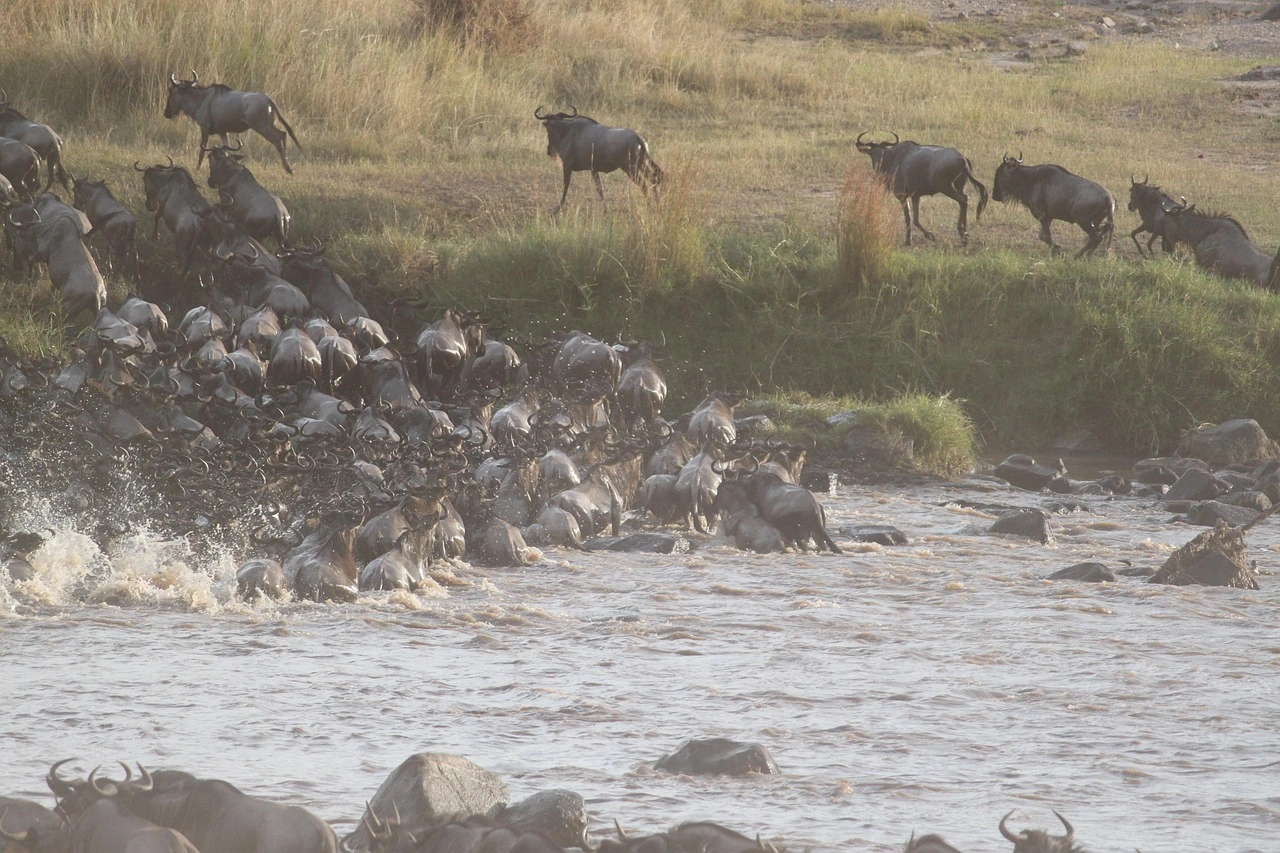
The reserve forms the northern extension of the Serengeti–Mara ecosystem. During the annual migration, large herds of wildebeest, zebra and gazelles move into the Mara as rainfall and grazing conditions change. River crossings are never guaranteed on a particular day, but the July-to-October period is the main migration season in Kenya.
The Mara also connects naturally with the Rift Valley. A classic route can combine the reserve with Lake Naivasha and Lake Nakuru National Park. Travellers particularly interested in the migration can also explore our safari experiences while we build the matching private safari packages.
Why Visit Masai Mara National Reserve?
- Big cats: one of East Africa’s strongest areas for lion, cheetah and leopard.
- Great Migration: seasonal wildebeest and zebra herds move through the Mara–Serengeti ecosystem.
- Mara River: a major wildlife corridor and the setting for famous seasonal crossings.
- Big Five: lion, leopard, elephant and buffalo are well represented; black rhino are present but much harder to find.
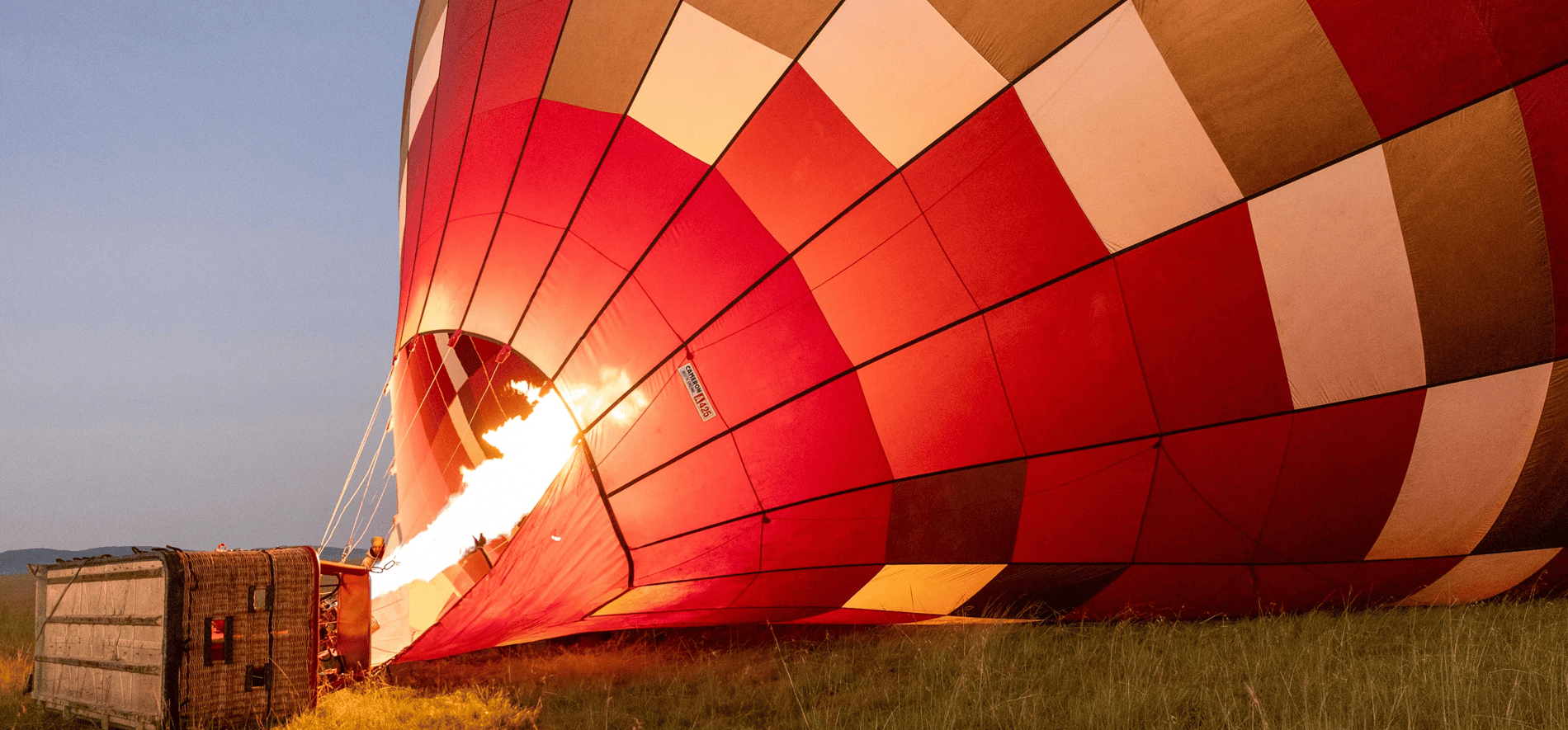
- Balloon safaris: sunrise flights are one of the Mara’s signature optional experiences.
- Birding: more than 500 species, including an exceptional variety of raptors and open-country birds.
Scenery & Habitats
Grassland savannah dominates the reserve, broken by scattered acacia, riparian forest along the Mara and Talek rivers, seasonal streams, rocky hills and the western Oloololo/Siria Escarpment. The broad horizons and “spotted” trees that give the Mara its name create the classic East African safari scenery.
Activities
Guided game drives are the main reserve activity. Sunrise hot-air balloon safaris are widely offered by licensed operators and are especially popular over open plains. Walking and night drives are generally associated with the surrounding conservancies rather than the national reserve itself, so itineraries should distinguish clearly between reserve and conservancy activities.
Wildlife
Wildlife in Masai Mara National Reserve
The Masai Mara offers outstanding year-round wildlife viewing. Wildebeest and plains zebra can be extremely numerous during the migration, while resident populations of elephant, buffalo, giraffe, antelope and hippo support a large predator community. Lion and cheetah are particularly strong, leopard is regularly encountered but less predictable, and black rhino remain scarce and localized. The abundance labels below describe practical sighting expectations, not formal population counts.
AbundantCommonOccasionalRareNone
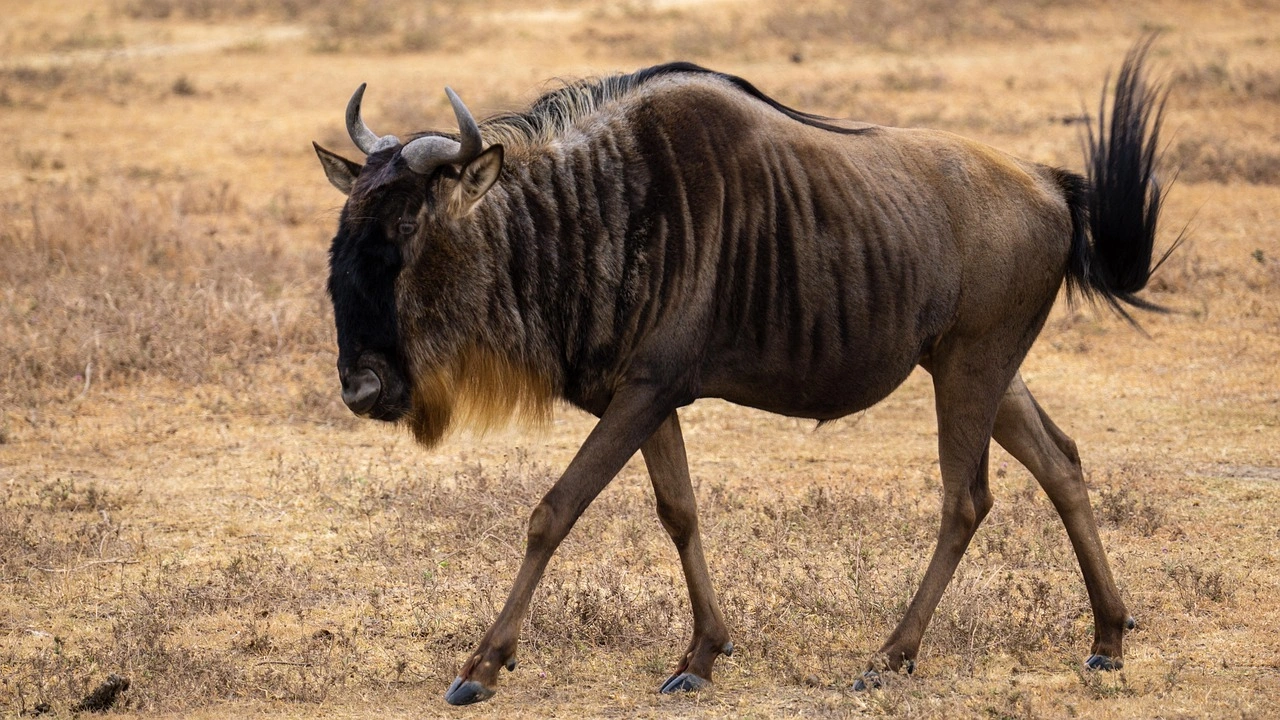
Wildebeest
Abundant
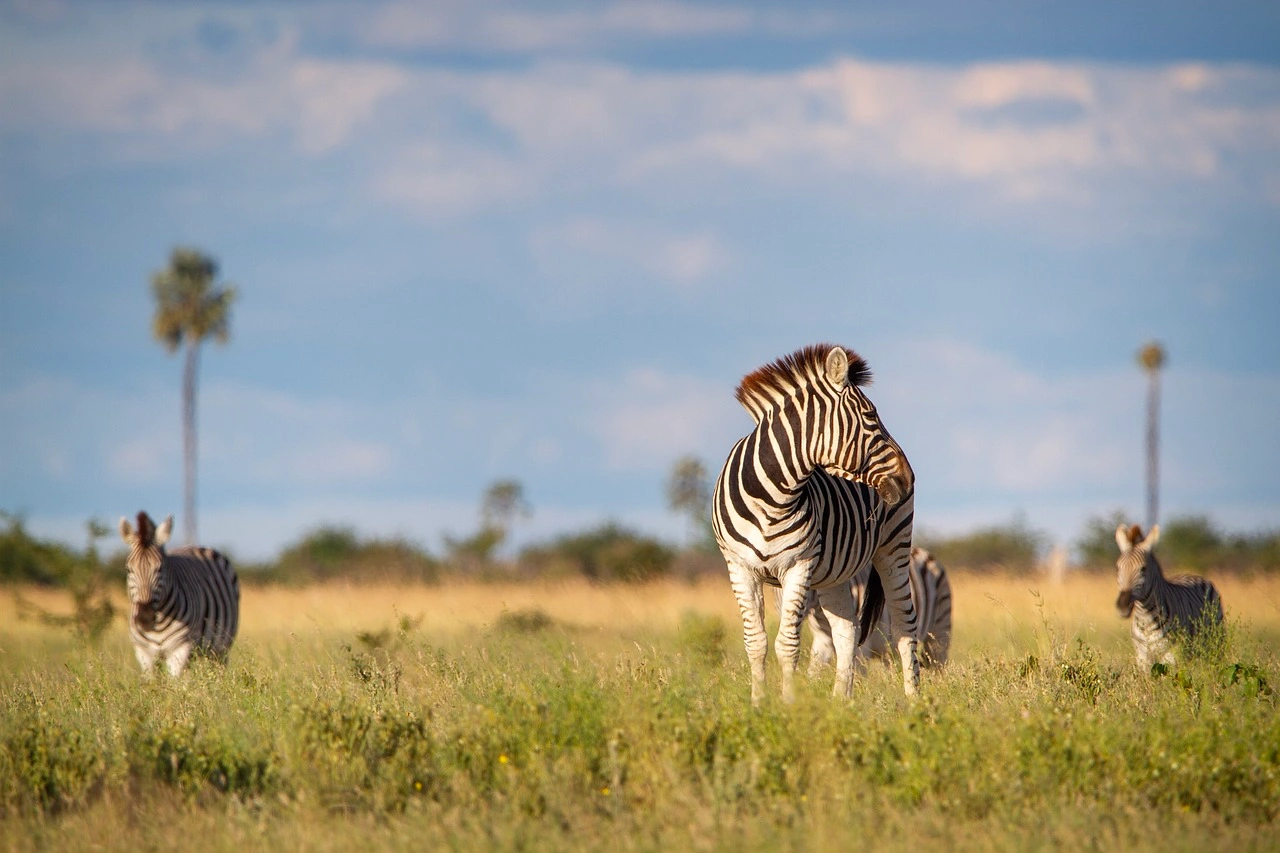 Plains Zebra
Abundant
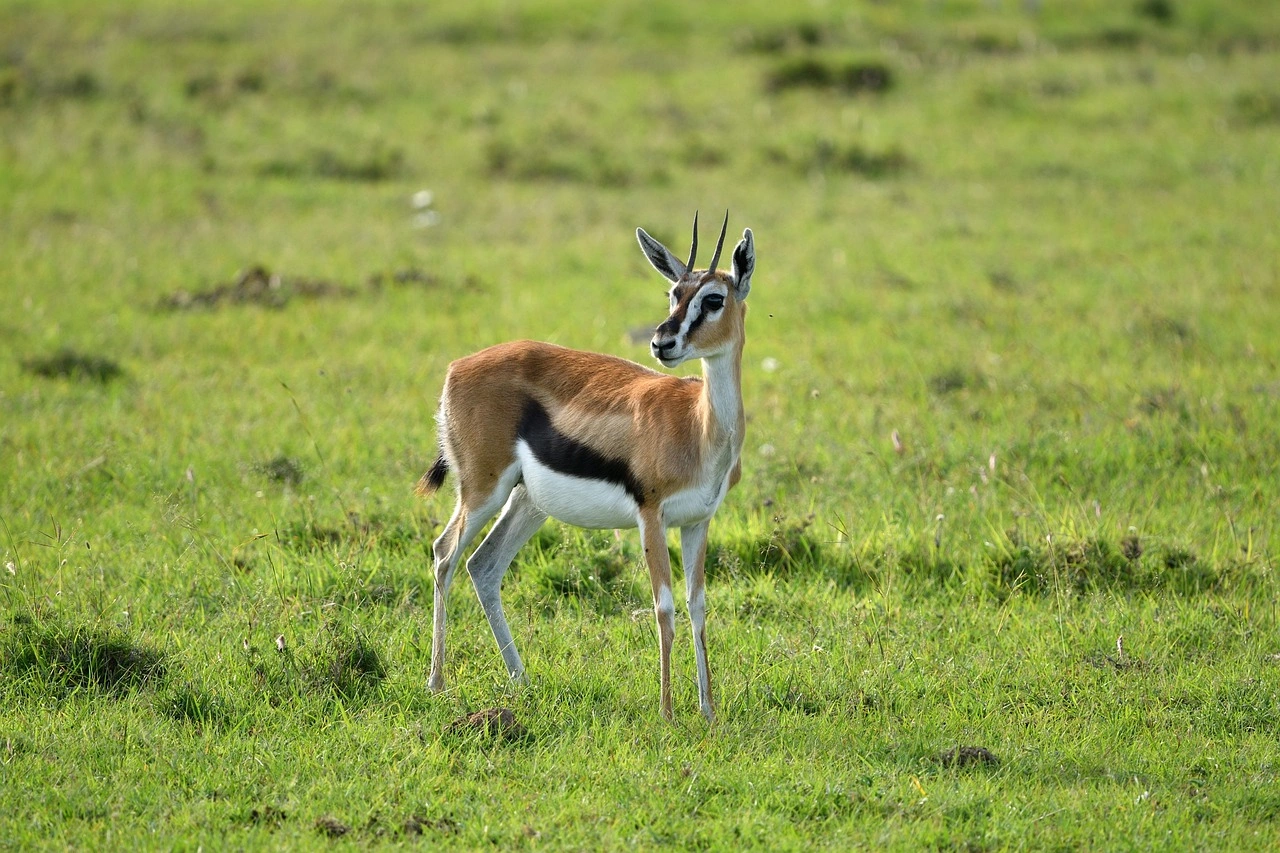 Thomson's Gazelle
Abundant
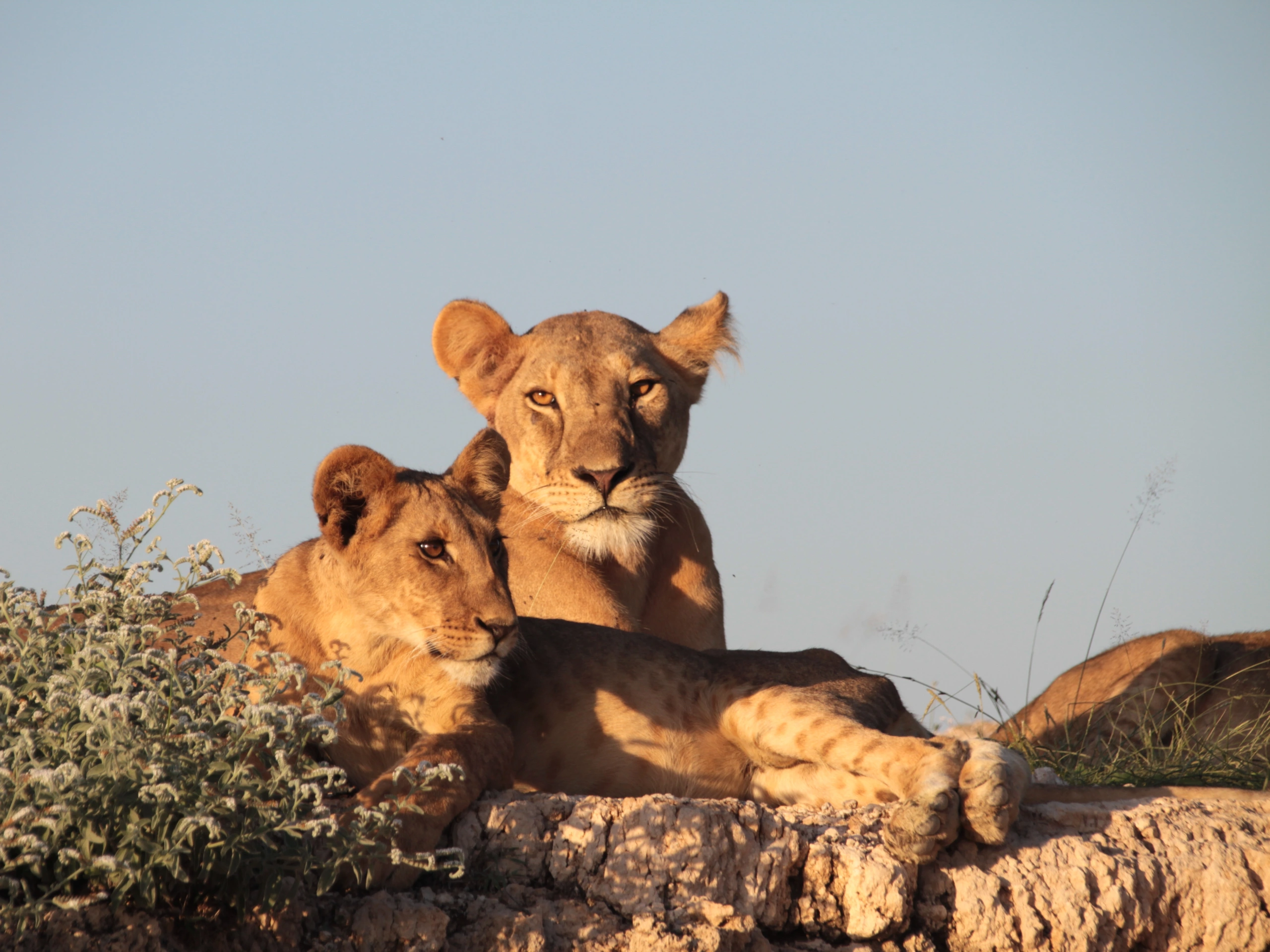 Lion
Common
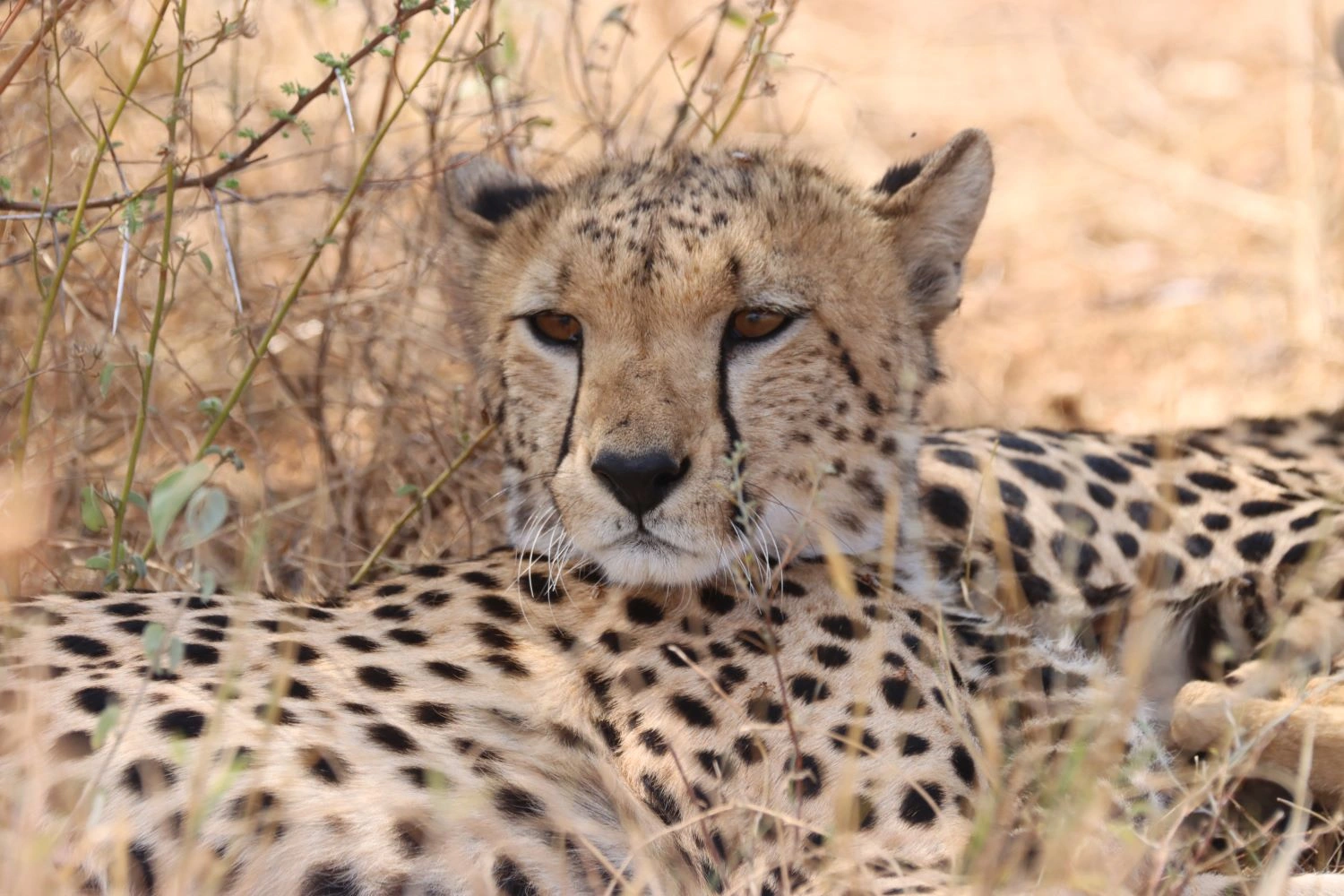 Cheetah
Common
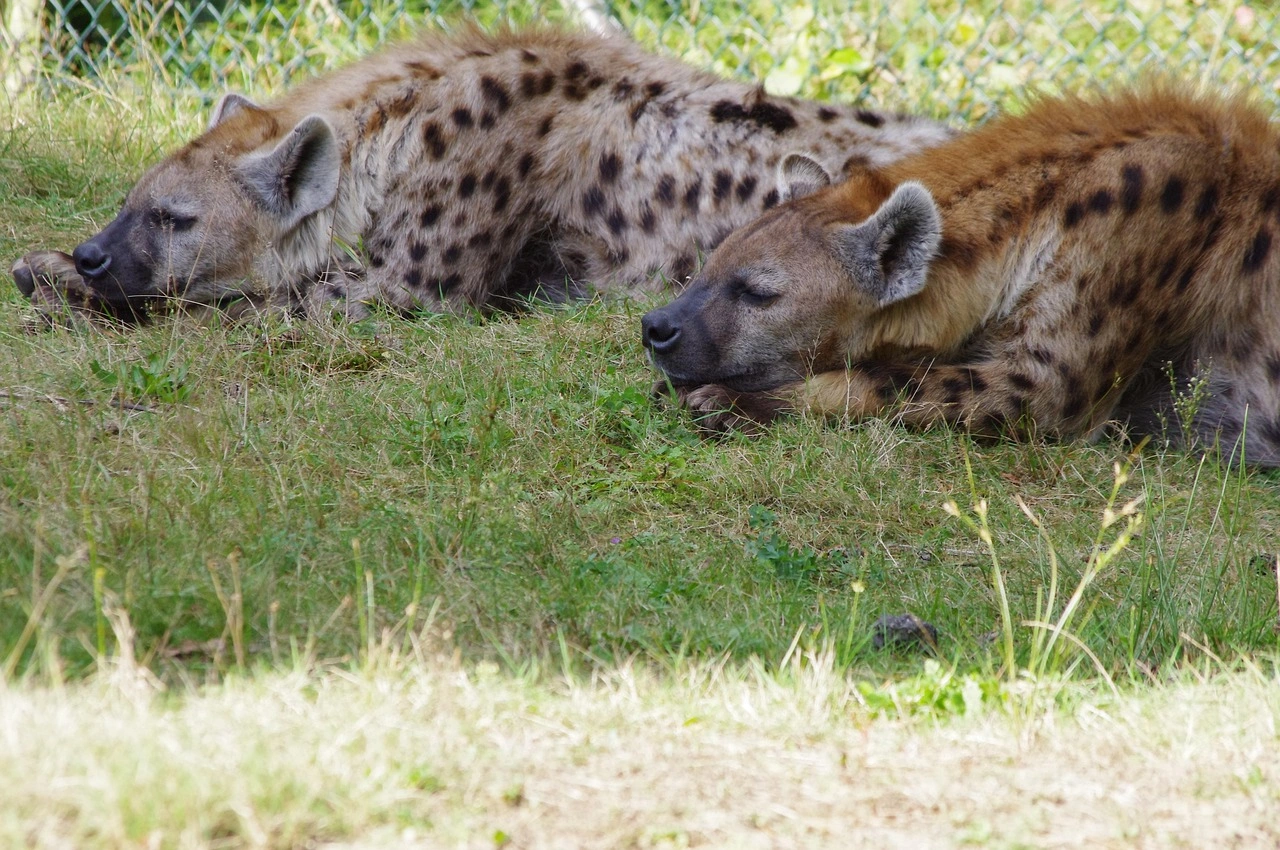 Spotted Hyena
Common
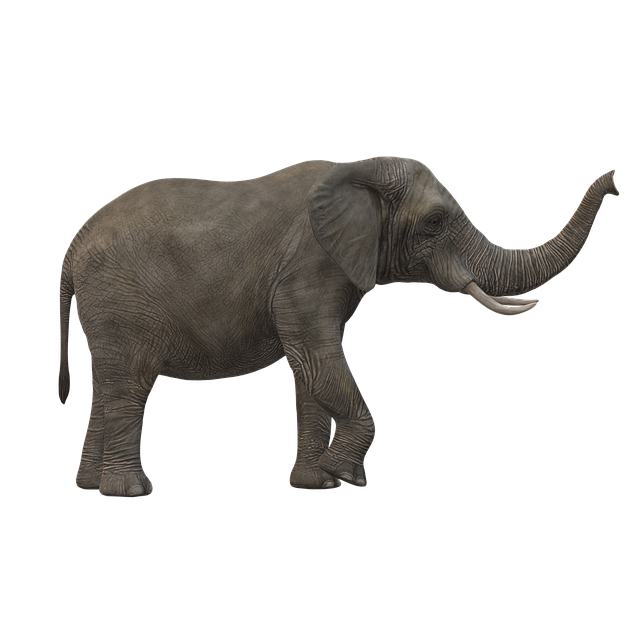 African Elephant
Common
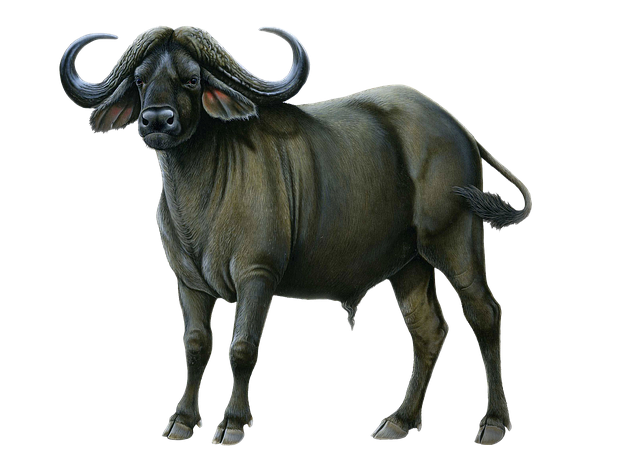 African Buffalo
Common
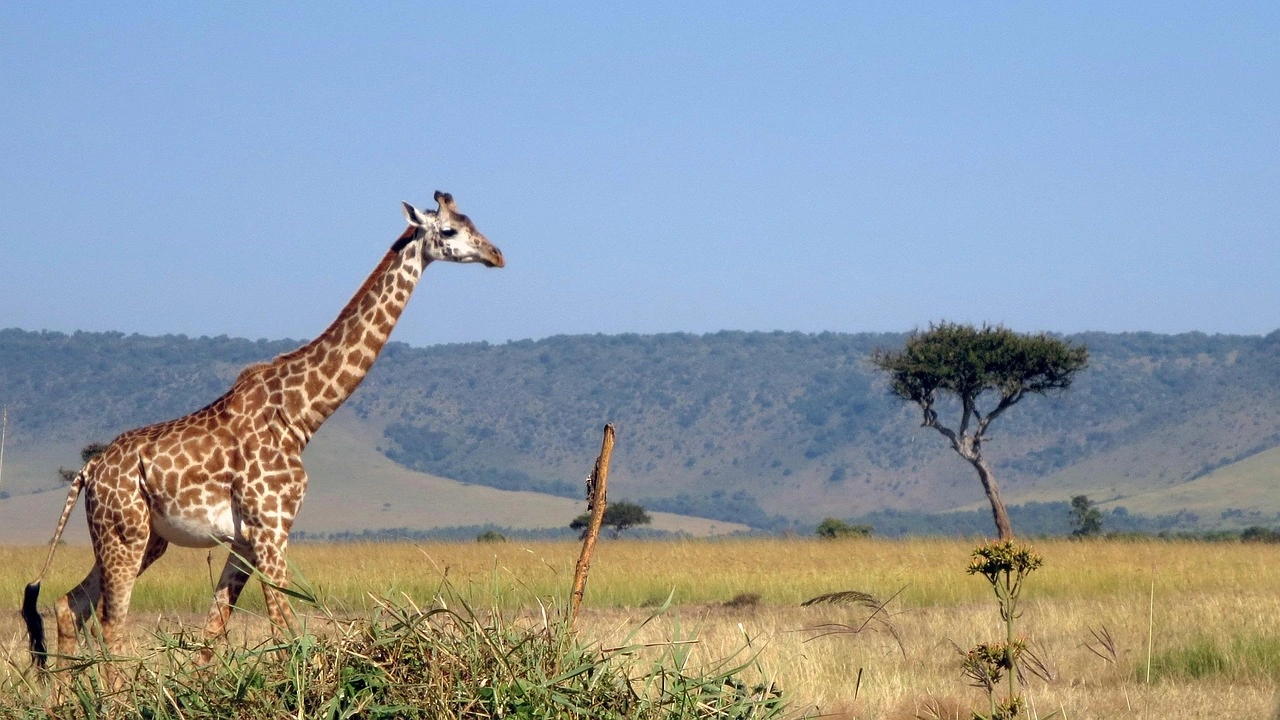 Giraffe
Common
 Hippopotamus
Common
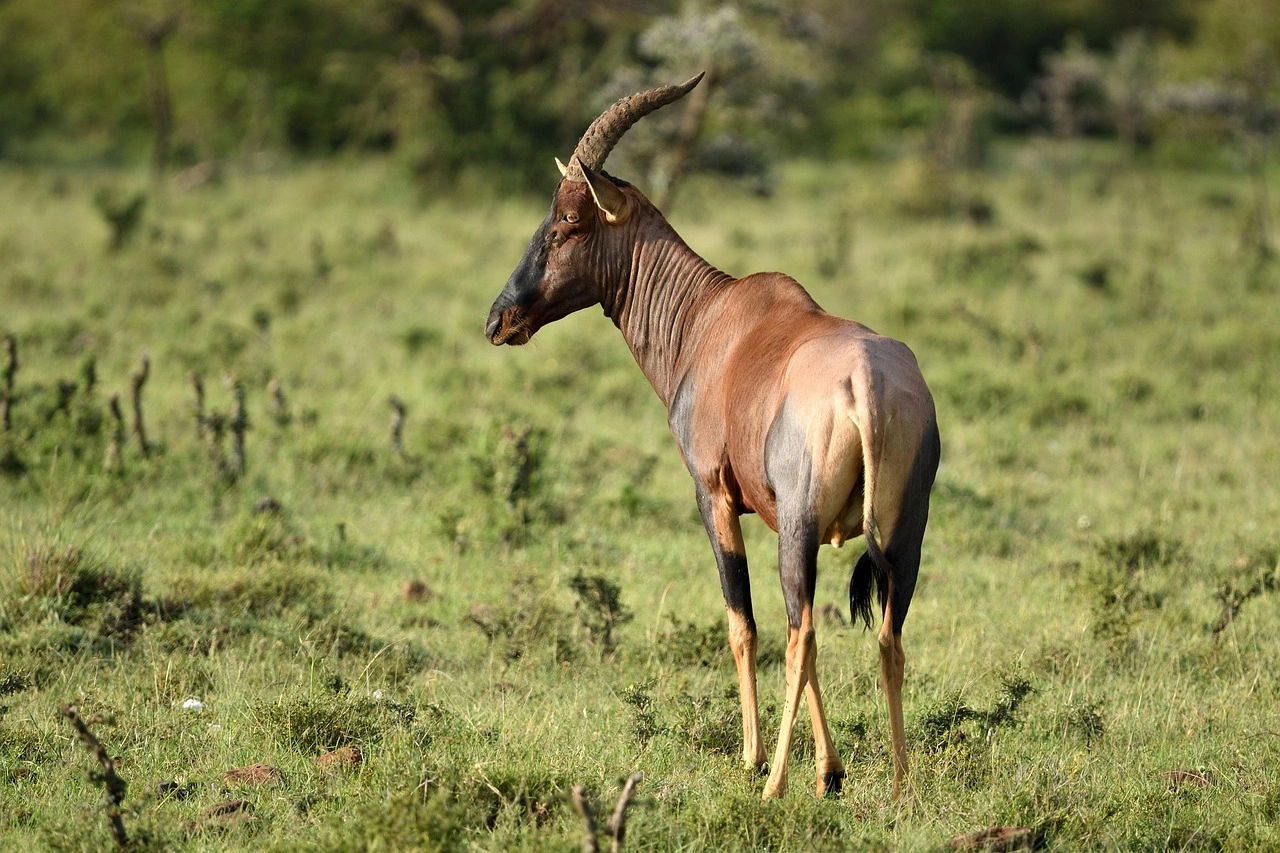 Topi
Common
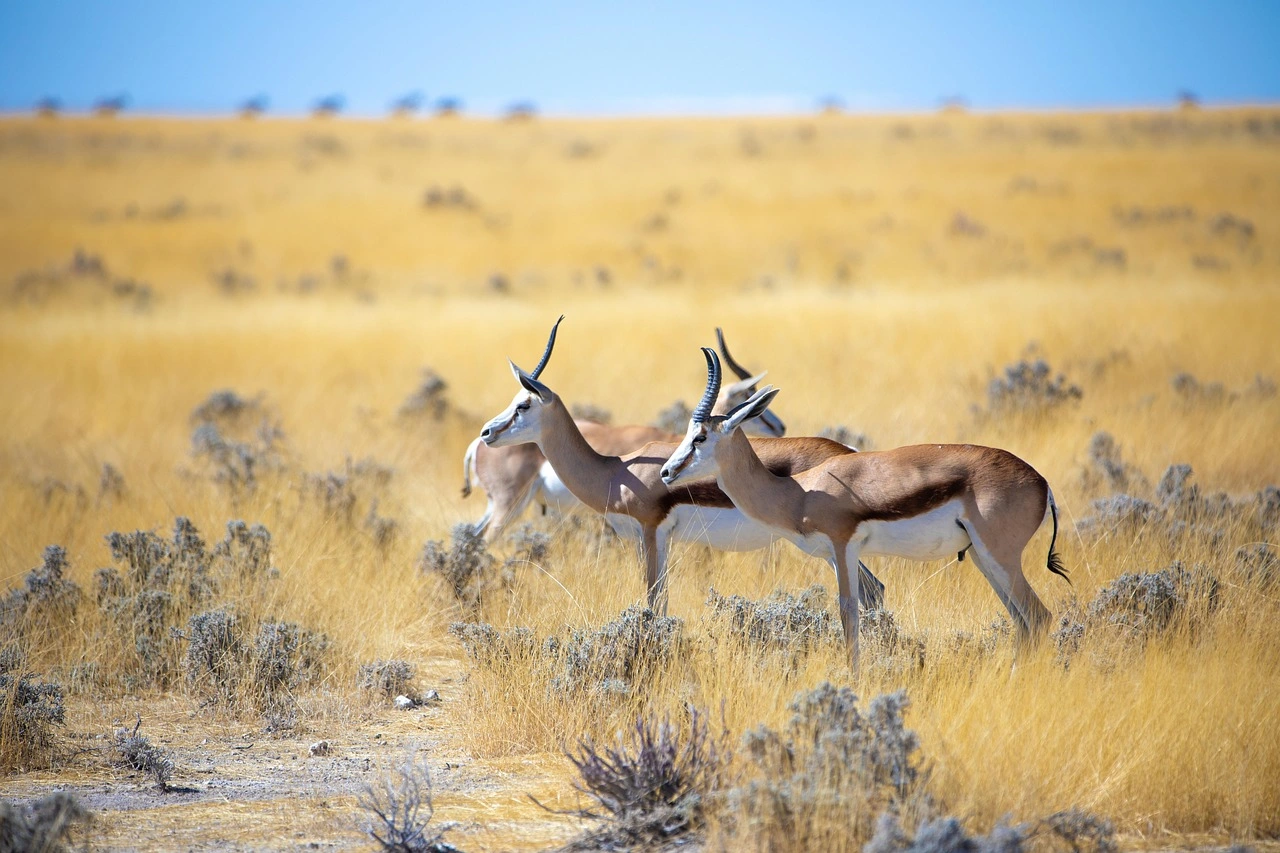 Impala
Common
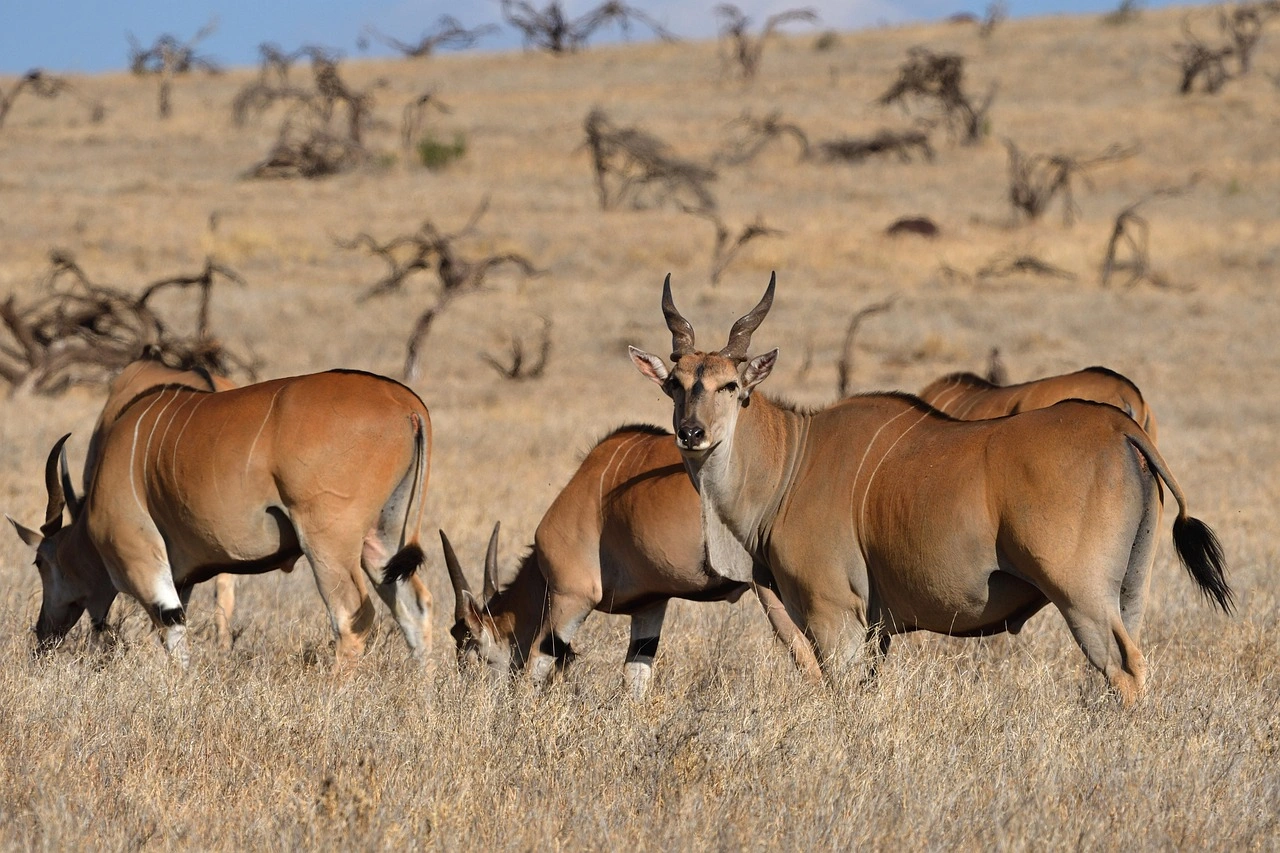 Eland
Common
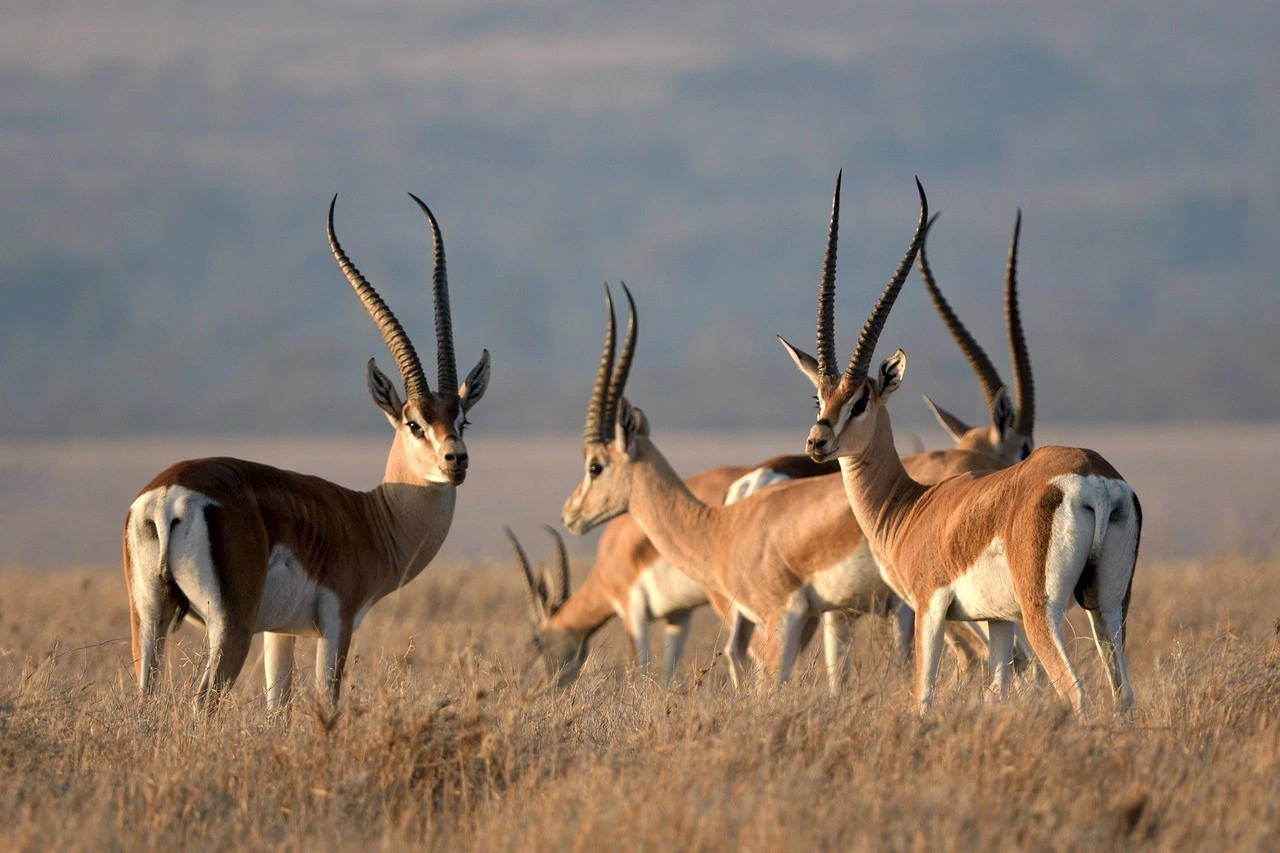 Grant's Gazelle
Common
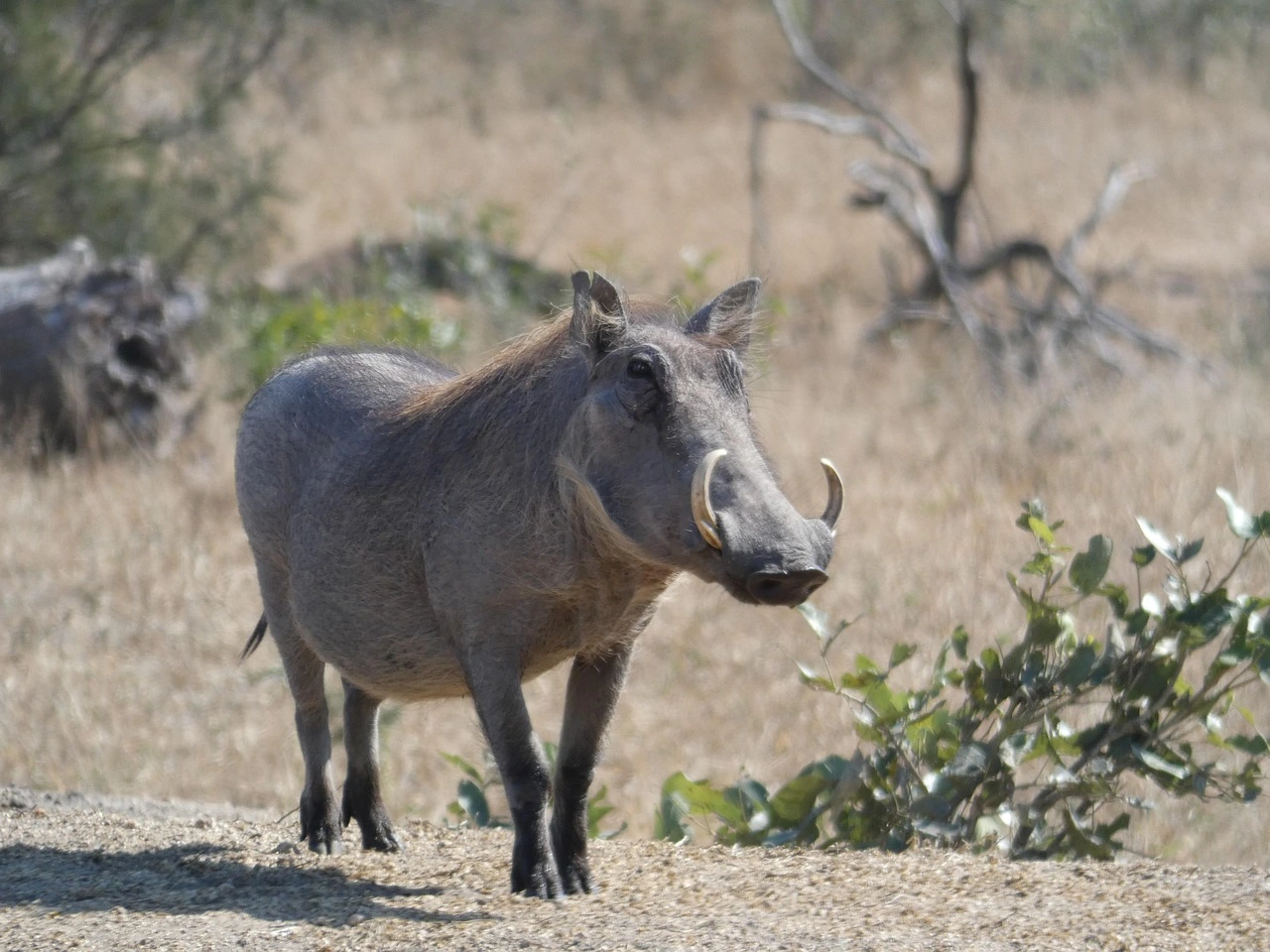 Common Warthog
Common
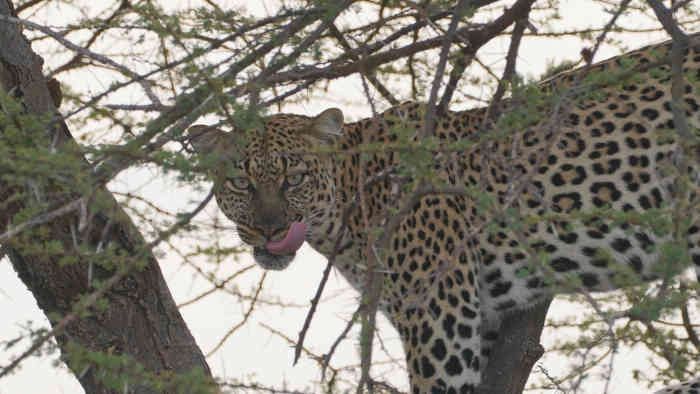 Leopard
Occasional
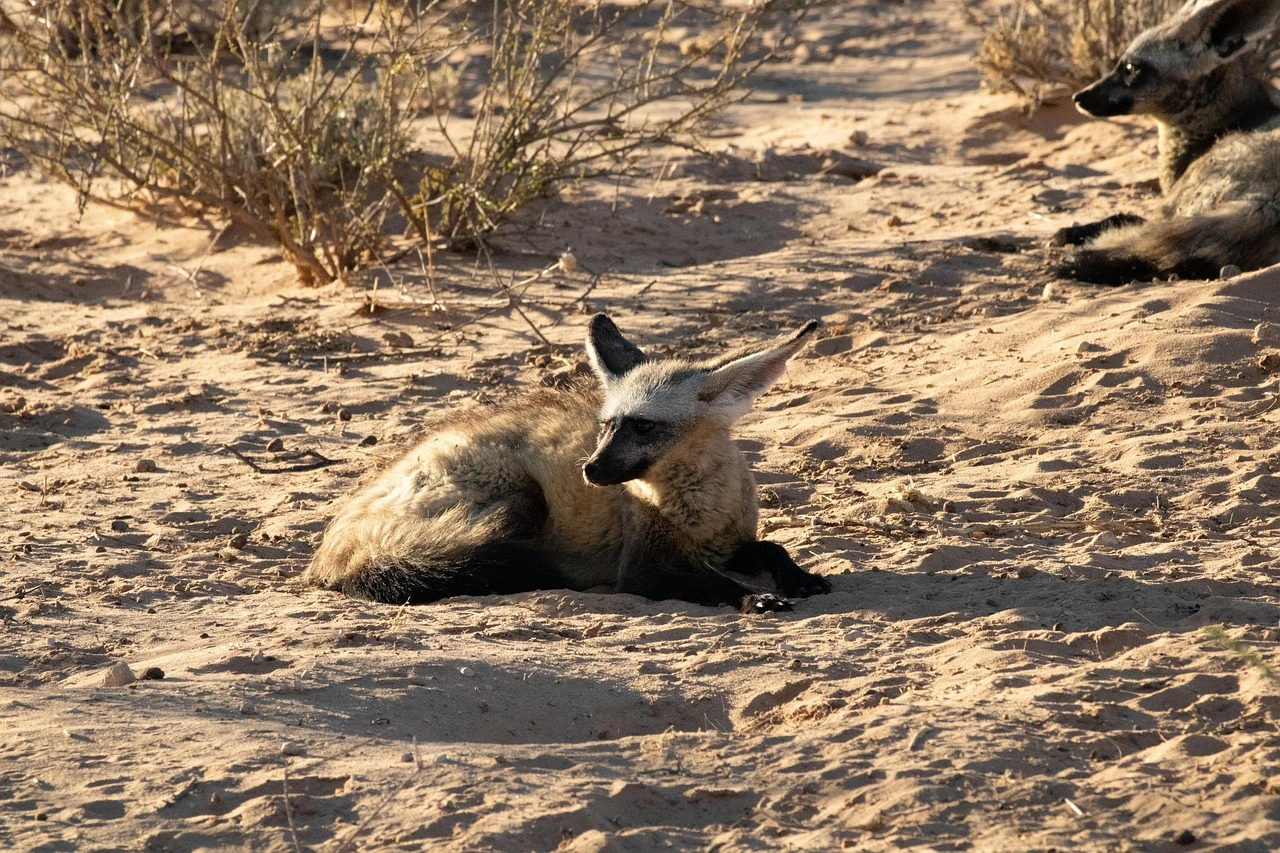 Bat-eared Fox
Occasional
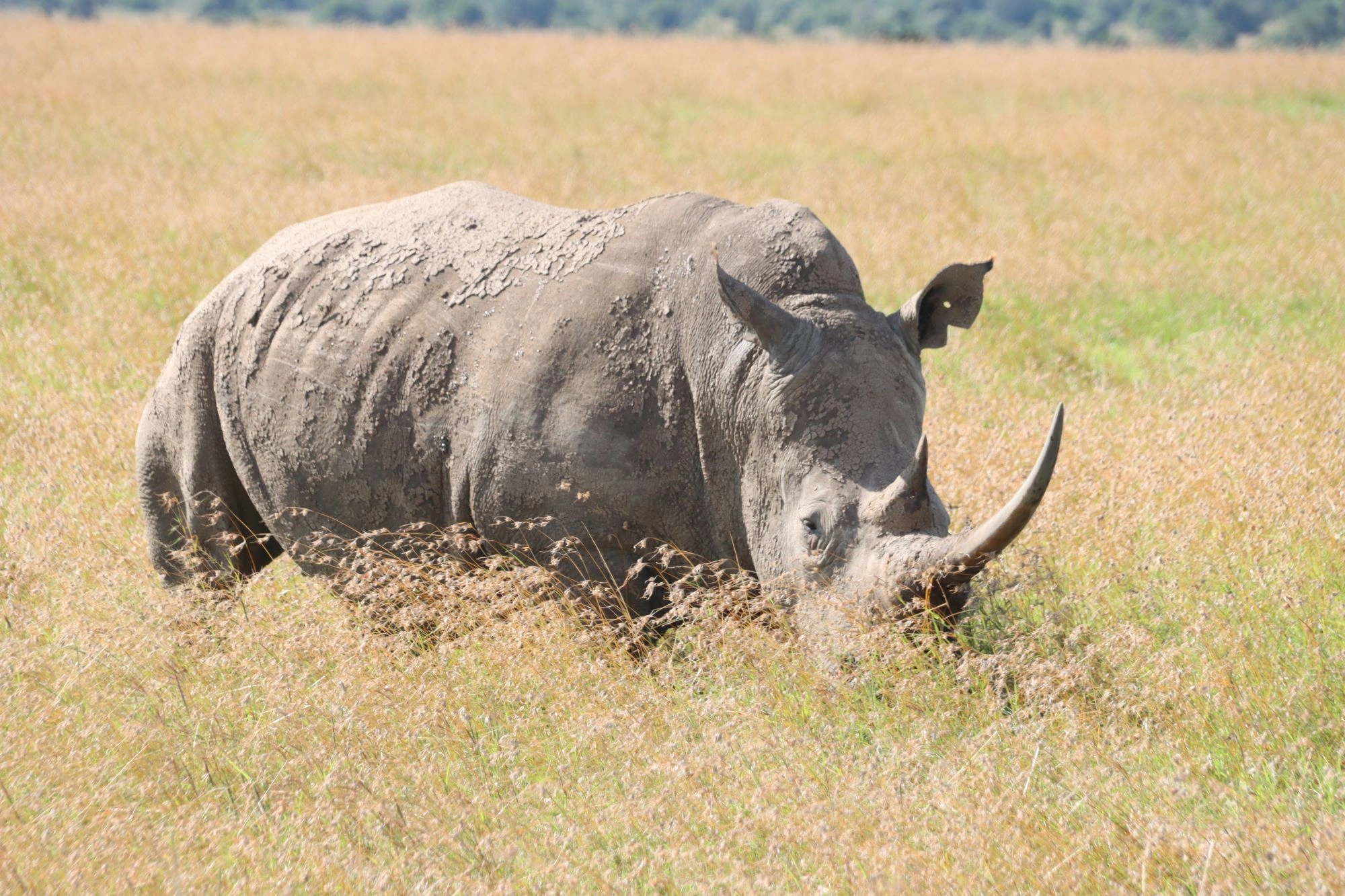 Black Rhinoceros
Rare
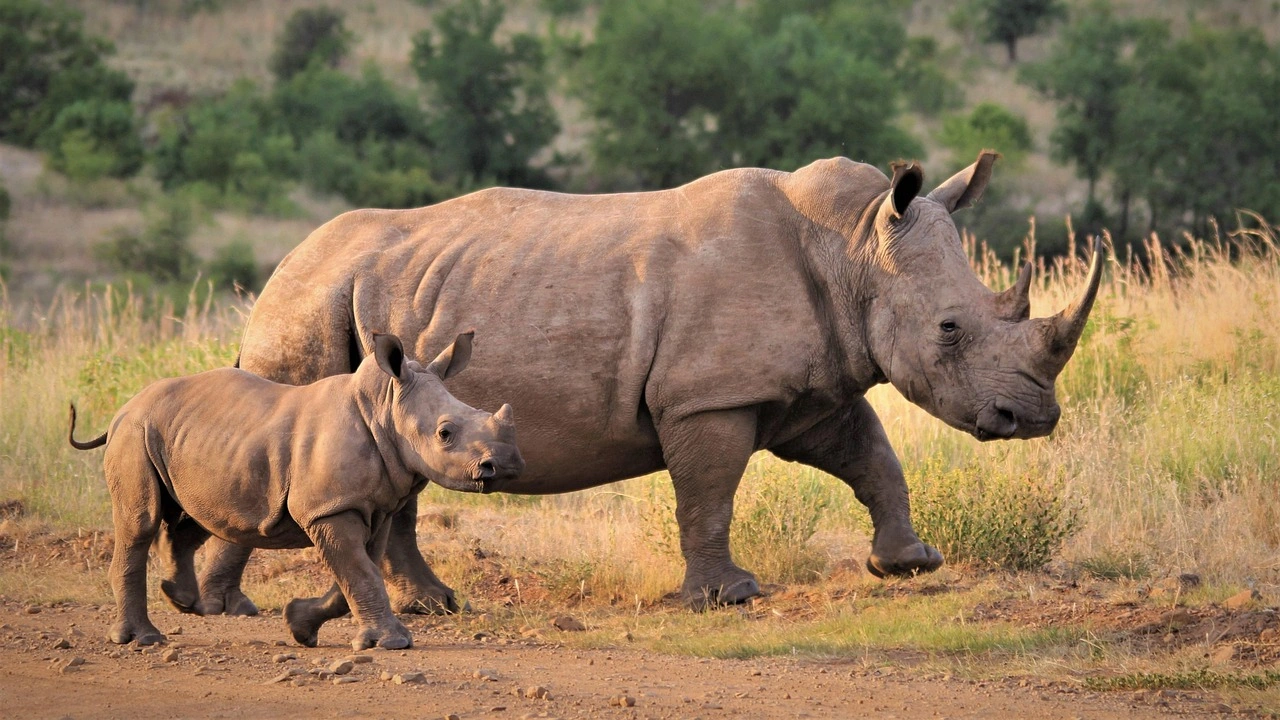 White Rhinoceros
None
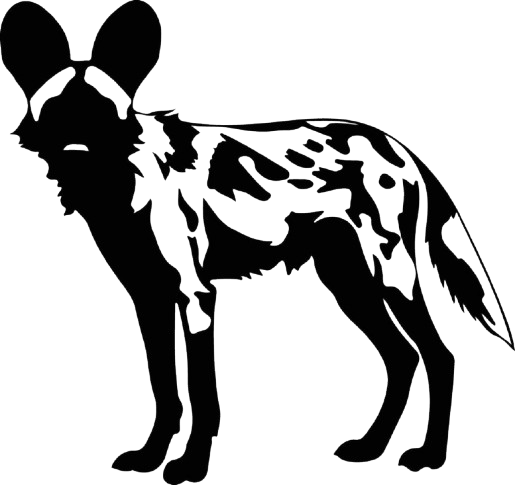 African Wild Dog
Rare to None
Birding
Birds of Masai Mara National Reserve
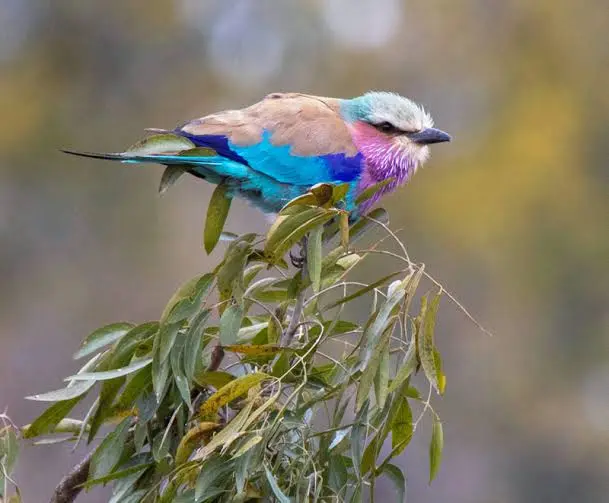
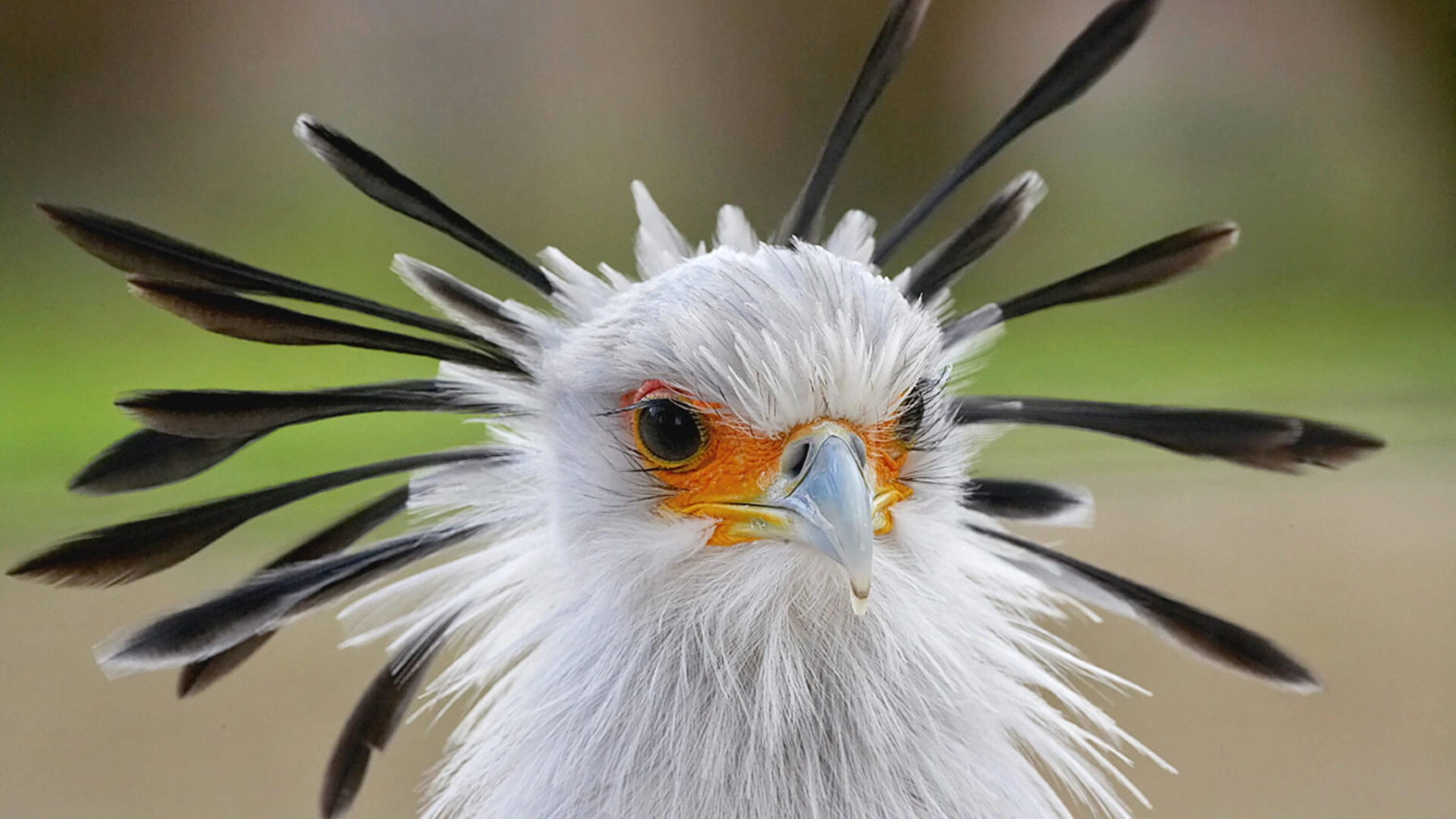
More than 500 bird species have been recorded in the Masai Mara. The reserve is especially strong for savannah birds and raptors, including common ostrich, southern ground hornbill, kori bustard, secretary bird, bateleur and several vulture species. Migrants arrive mainly from November to April, when many resident species are also in breeding plumage.
Notable Birds in Masai Mara National Reserve
Kori Bustard
Common
Rufous-bellied Heron
Common
Usambiro Barbet
Near-endemic
Birding Specials
Treats for avid birders(NE) near-endemic = mainly restricted to Kenya and neighbouring areas.
- Southern Ground Hornbill
- Denham's Bustard
- Grey-crested Helmet-shrike (NE)
- Bateleur
- African Finfoot
- Jackson's Widowbird
- Hildebrandt's Starling
- Rosy-throated Longclaw
- Saddle-billed Stork
- Yellow-throated Sandgrouse
- Common Ostrich
Planning by season
Best Time To Visit Masai Mara National Reserve
June to October is generally best for wildlife viewing. Vegetation is shorter, roads are usually more reliable and animals concentrate near water. The migration commonly reaches the Kenyan side from July or August and remains into October, although exact timing varies with rainfall.
- July–October: main migration period; August and September often provide the strongest chance of Mara River crossing activity.
- June–October: excellent general wildlife viewing and mostly dry conditions.
- January–February: a useful quieter window between rains.
- November–April: excellent birding and green scenery; some tracks can become difficult after heavy rain.
Climate guide
Weather & Climate
The Mara’s elevation keeps conditions milder than many travellers expect near the equator. Daytime temperatures are usually comfortable, while early mornings and nights can be cold. June to October is the drier season. Short rains generally occur around November and December, with a drier interlude around January and February before the long rains of March to May. April is often the wettest month.
Route planning
How To Get To Masai Mara National Reserve
By road: the reserve is roughly 230 km west of Nairobi. The Sekenani approach is the main route for much of the eastern reserve, while routes to the western Mara and Mara Triangle differ depending on accommodation.
By air: several airstrips serve the reserve and surrounding conservancies, with regular safari flights from Nairobi’s Wilson Airport and selected coastal or safari destinations.
Official administration: the main reserve is managed by the County Government of Narok. The western Mara Triangle is managed by Mara Conservancy under agreement with Narok County. For the Mara Triangle, official conservation-fee and cashless ticketing guidance is published by Mara Conservancy. For the Narok-managed side, confirm the current county ticketing process before travel rather than using the KWS eCitizen park portal.
What to do
Experiences in Masai Mara National Reserve
These experience guides are linked directly to this destination.


Map
Where is Masai Mara National Reserve?
Safaris
Safaris Visiting Masai Mara National Reserve
Published Greatlink routes that include this destination. Safari pricing is prepared from the traveller's enquiry.
14 Days / 13 Nights
14-Day Kenya Grand Safari: Tsavo, Samburu, Mara & Amboseli
Personalised Quote Based on your enquiry
View Safari
10 Days / 9 Nights
10-Day Tsavo, Masai Mara, Rift Valley & Amboseli Safari
Personalised Quote Based on your enquiry
View Safari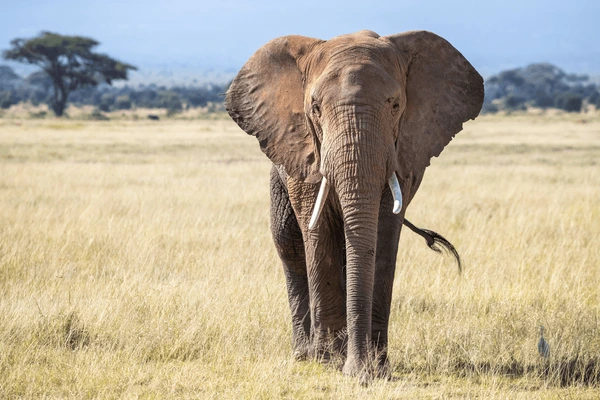
14 Days / 13 Nights
14-Day Kenya Wildlife Photography Safari: Samburu, Solio, Mara & Amboseli
Personalised Quote Based on your enquiry
View Safari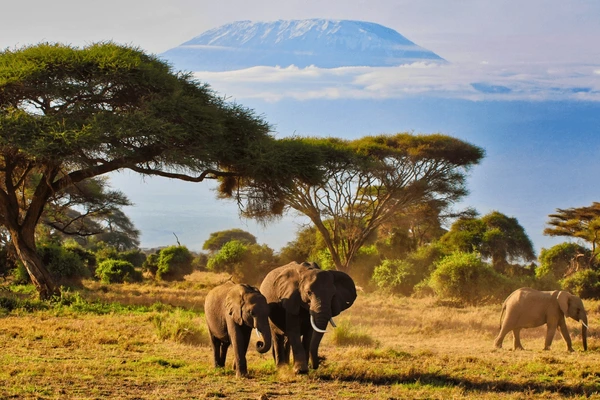
10 Days / 9 Nights
10-Day Amboseli & Masai Mara Wildlife Photography Safari
Personalised Quote Based on your enquiry
View Safari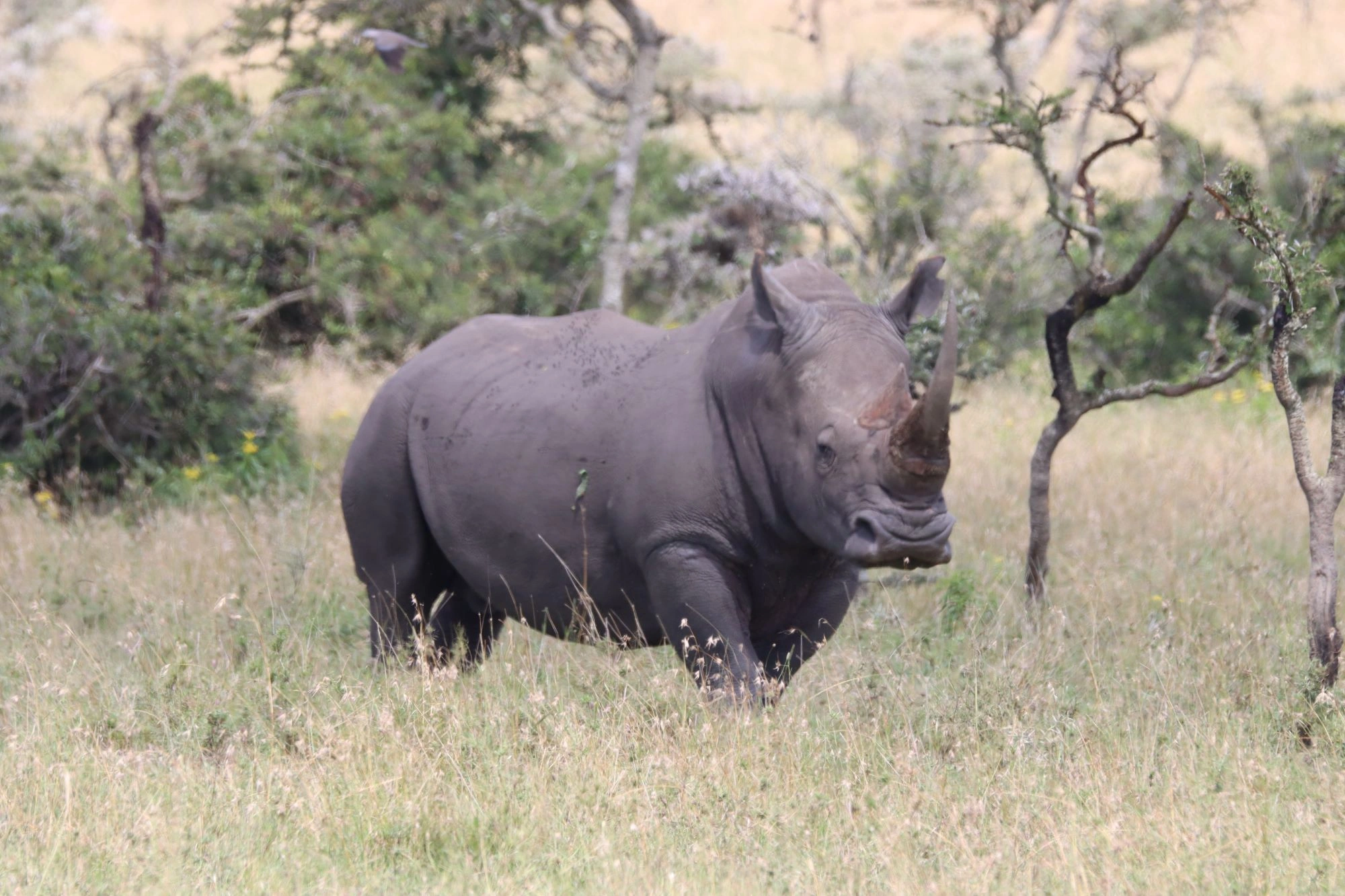
12 Days / 11 Nights
12-Day Kenya Mission & Wildlife Safari
Personalised Quote Based on your enquiry
View Safari12 Days / 11 Nights
12-Day Masai Mara, Samburu & Kenya Coast Honeymoon Safari
Personalised Quote Based on your enquiry
View Safari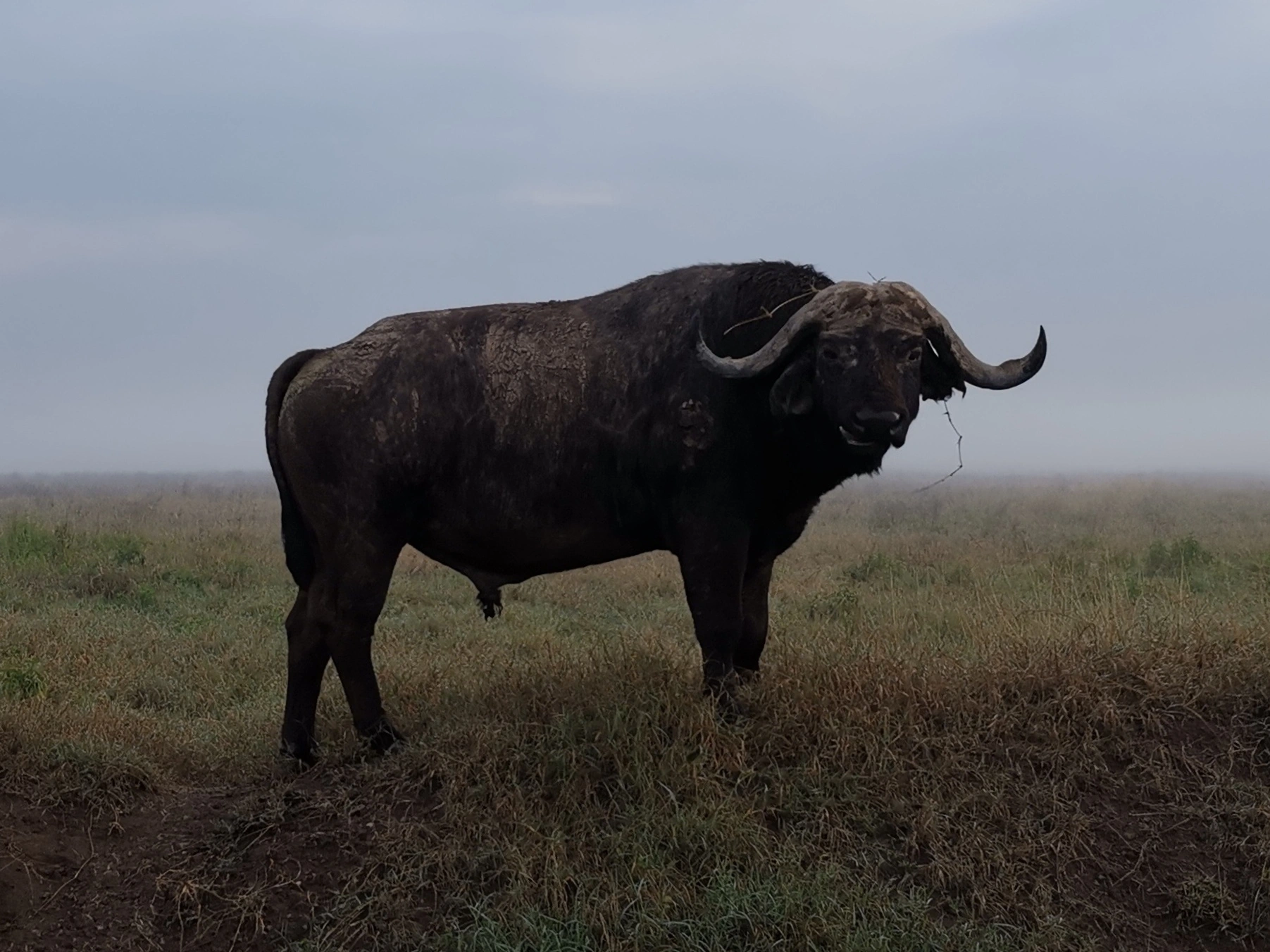
10 Days / 9 Nights
10-Day Kenya Bush & Beach Honeymoon Safari
Personalised Quote Based on your enquiry
View Safari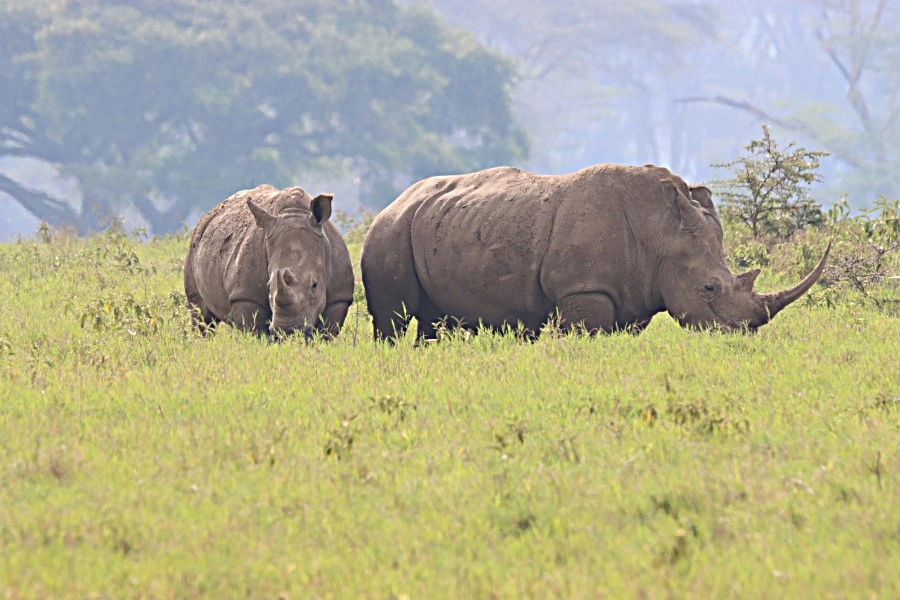
7 Days / 6 Nights
7-Day Samburu, Ol Pejeta, Lake Nakuru & Masai Mara Safari
Personalised Quote Based on your enquiry
View Safari