About the Chanler's Mountain Reedbuck
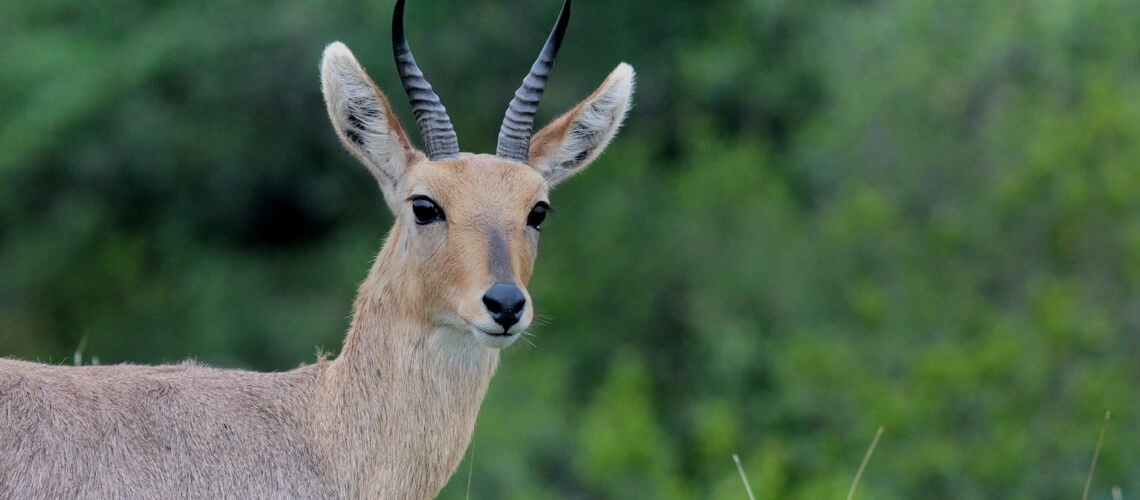
This mountain reedbuck form is smaller and greyer than the Bohor reedbuck, with pale underparts and a compact build suited to steep ground. Males carry short forward-curving horns while females are hornless.
Animals are usually seen in small groups or loose associations on hillsides. They rely on keen senses and steep terrain for security, often standing motionless before moving uphill when disturbed.
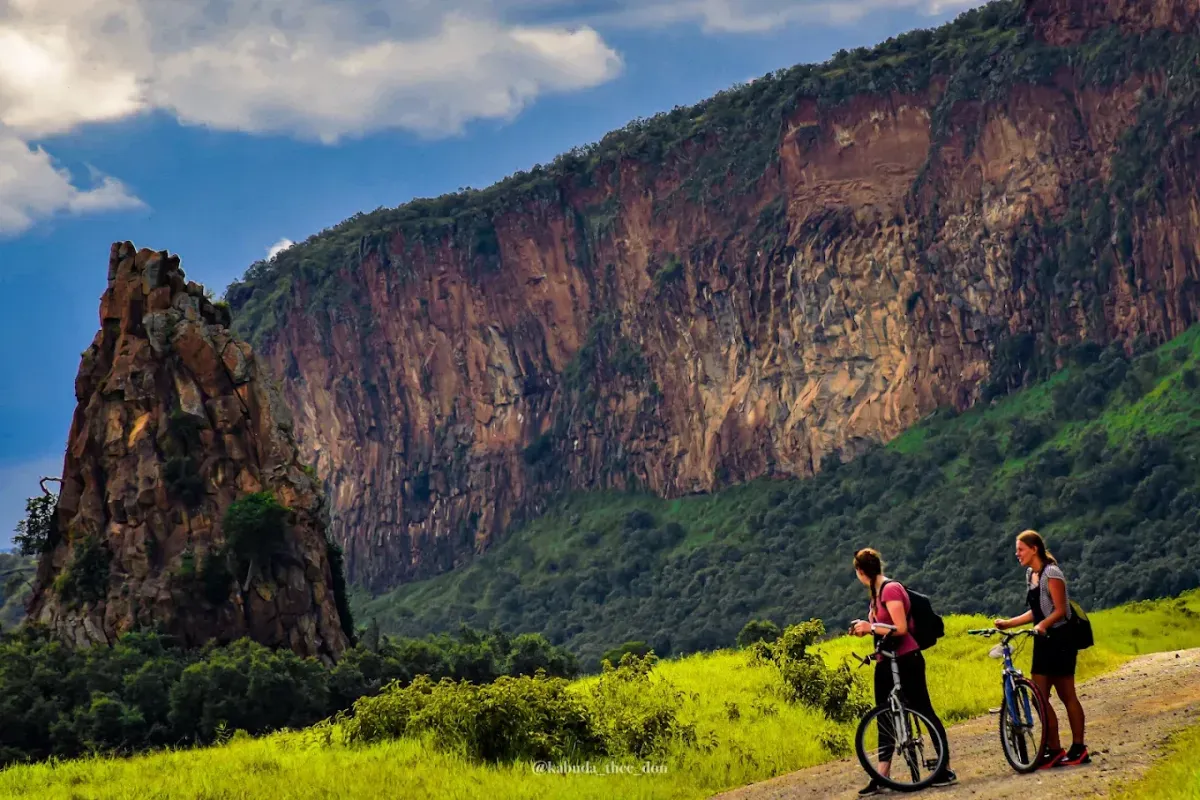
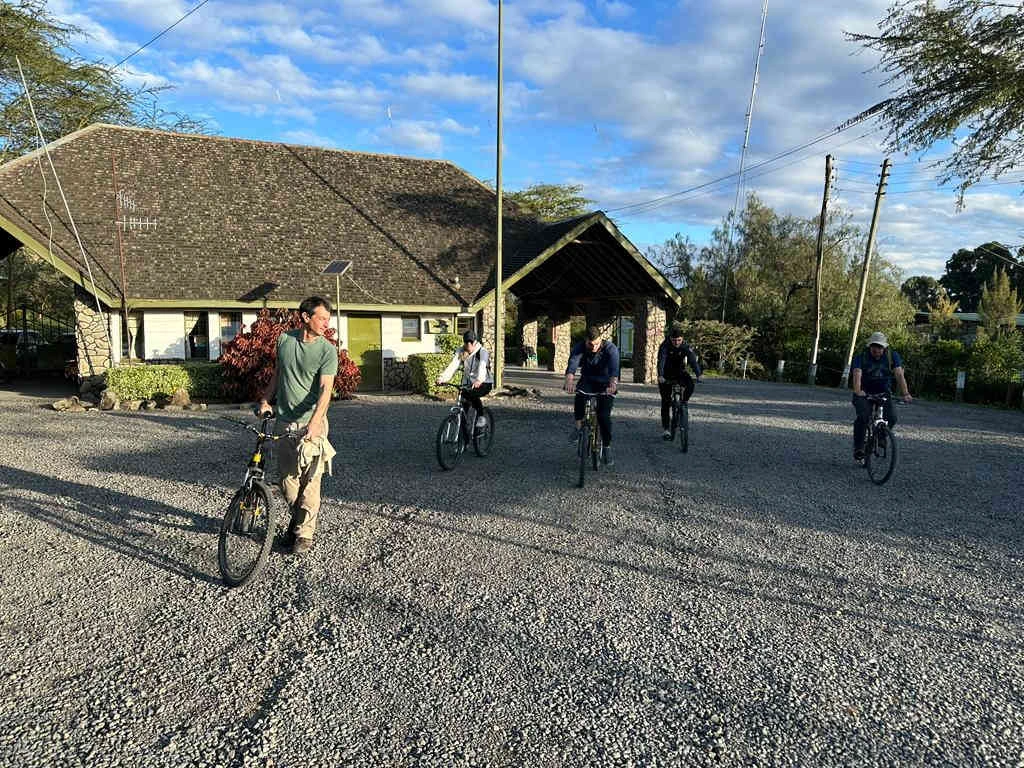
Safari context in Kenya: Within the current Greatlink Safaris destination network, useful places to look for this species include Hell's Gate National Park. Sightings remain natural and unpredictable, so Greatlink Safaris plans around habitat, season and realistic wildlife expectations rather than guarantees. Travellers can also explore the Kenya wildlife guide or compare private Kenya safaris that visit suitable ecosystems.
Conservation: Mountain reedbuck are globally assessed as Least Concern at species level, but isolated highland populations can be vulnerable to habitat change and disturbance. For the latest global assessment and taxonomic notes, consult the IUCN conservation reference. Kenya protected area information is also available from the Kenya Wildlife Service.
Interesting facts and identification clues
- Rocky slopes and short upland grass are more typical habitat than lowland floodplains.
- Their coat can make them difficult to detect against grey volcanic rock.
- They usually move uphill rather than across open ground when alarmed.
- Small groups may include females, young and a territorial male.
- Use binoculars on escarpments and cliff bases because animals can be far above the road.
Responsible viewing: Keep a respectful distance, avoid blocking the animal’s route, keep noise low and follow the driver guide’s instructions. Wildlife behaviour changes with weather, breeding, food, water and human pressure, so every encounter should be treated as an unscripted observation.
Content reviewed 1 Oct 2026