
 African Buffalo
Common
Overview
Hell's Gate National Park Travel Guide
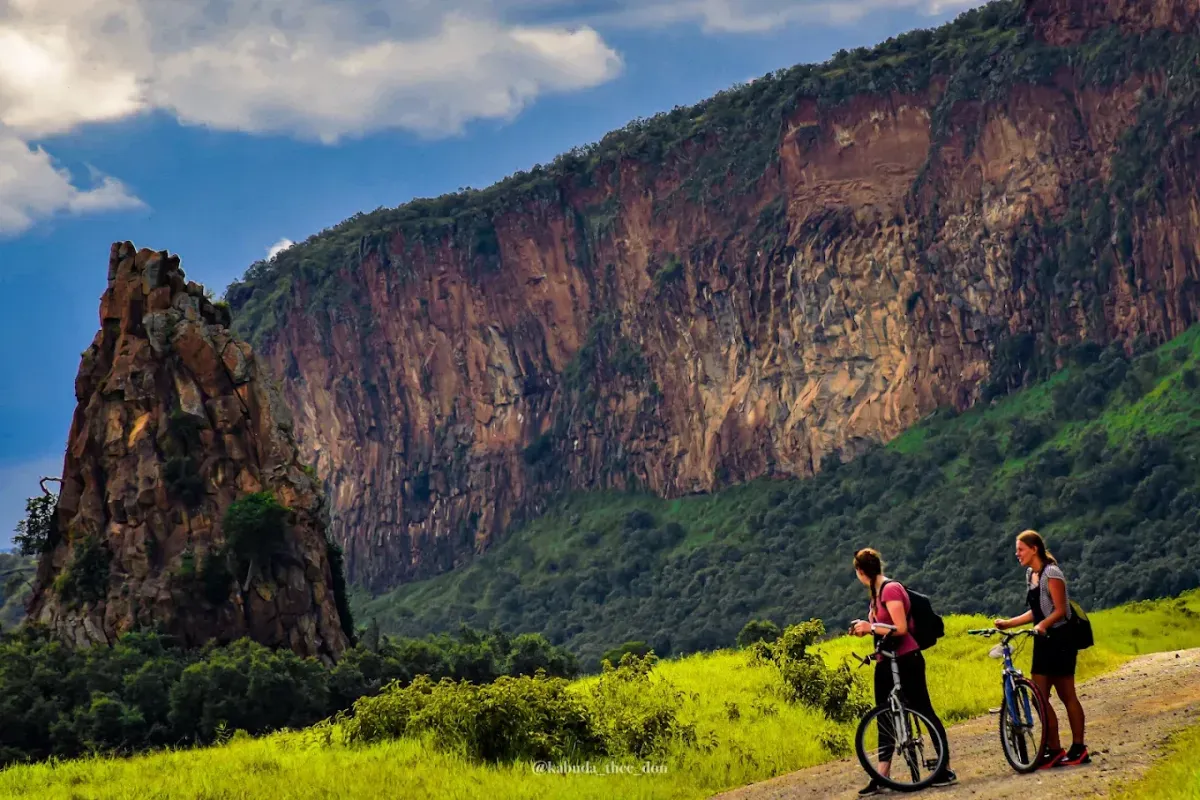
Hell’s Gate National Park is one of Kenya’s most distinctive protected areas because visitors come as much for the landscape and outdoor activity as for wildlife. Towering cliffs, volcanic plugs, open grassland and geothermal features create a compact park that can be explored by vehicle, on foot or by bicycle in designated areas.
Wildlife is present but the park is not primarily a Big Five destination. Zebra, giraffe, buffalo, eland, hartebeest and gazelles are much more characteristic. Raptors are an important part of the experience, with the cliffs providing habitat for vultures and other birds of prey.
Hell’s Gate sits close to Lake Naivasha and pairs naturally with Lake Nakuru National Park. It is a strong choice for travellers who want to break up conventional game drives with hiking, cycling or rock-climbing scenery.
Why Visit Hell's Gate National Park?
- Walking and cycling: one of the few Kenyan national parks where active exploration is a central attraction.
- Fischer’s Tower: an iconic volcanic plug associated with rock climbing.
- Gorge and cliff scenery: steep walls, volcanic formations and broad Rift Valley views.
- Geothermal landscape: steam vents and the wider Olkaria geothermal area shape the park’s character.
- Raptor birding: cliff habitat supports notable birds of prey and scavengers.
Scenery & Habitats
The park is defined by volcanic geology. Red and grey cliffs rise above open valley floors, ancient lava plugs punctuate the landscape and geothermal activity is visible around the wider Olkaria area. Fischer’s Tower and the gorge system provide the most dramatic landmarks, while views toward Mount Longonot add depth to the southern horizon.
Activities
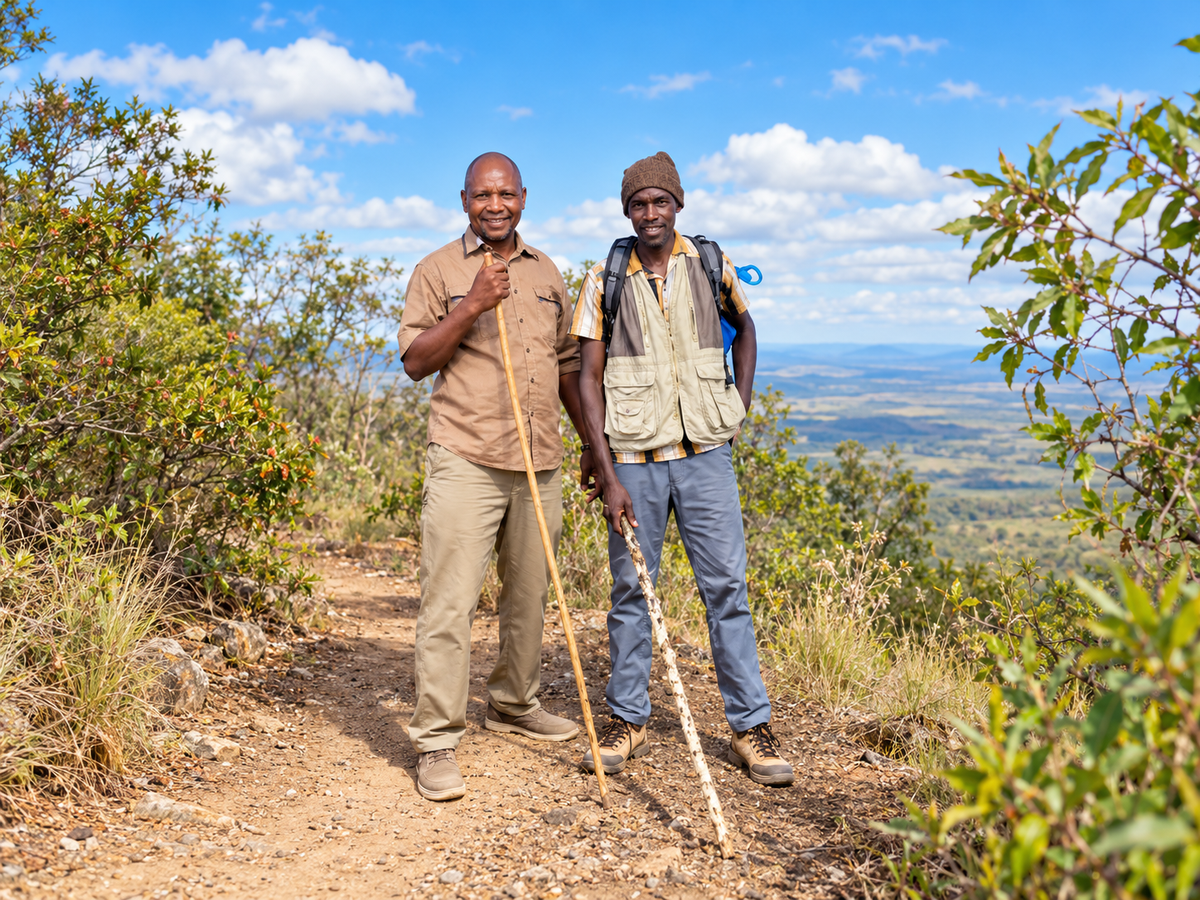
Walking, cycling, mountain biking, rock climbing and scenic drives are the main draws. Wildlife viewing is a useful addition rather than the sole reason to visit. Activity access can change with weather or safety conditions, especially around gorge areas, so current KWS guidance should always be checked before setting out.
Wildlife
Wildlife in Hell's Gate National Park
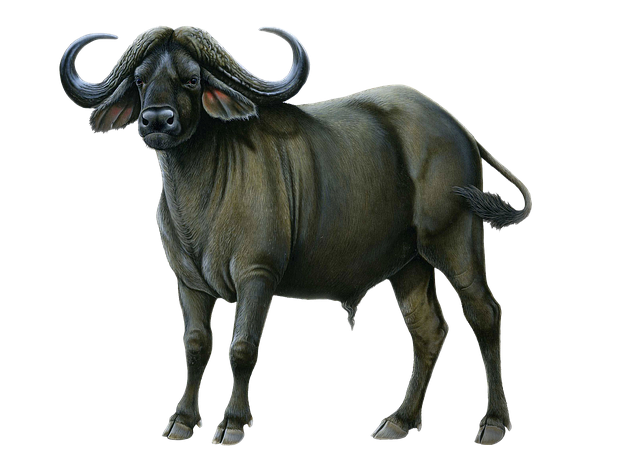
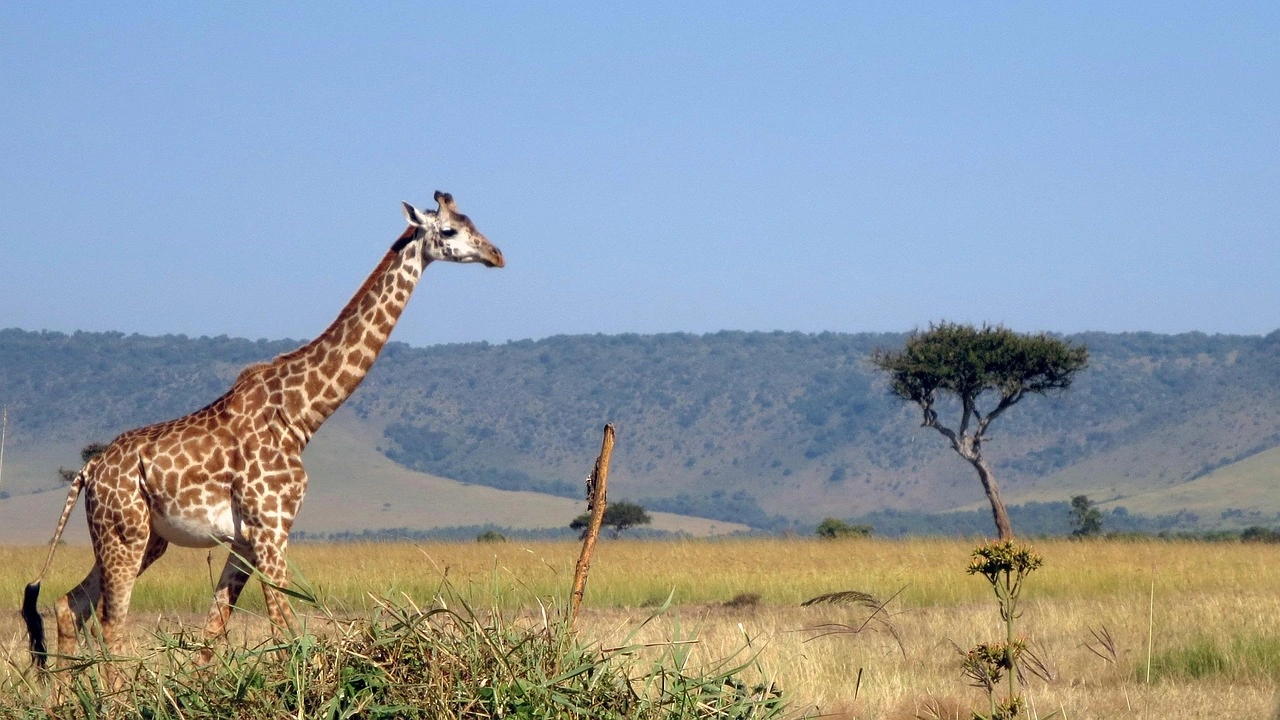
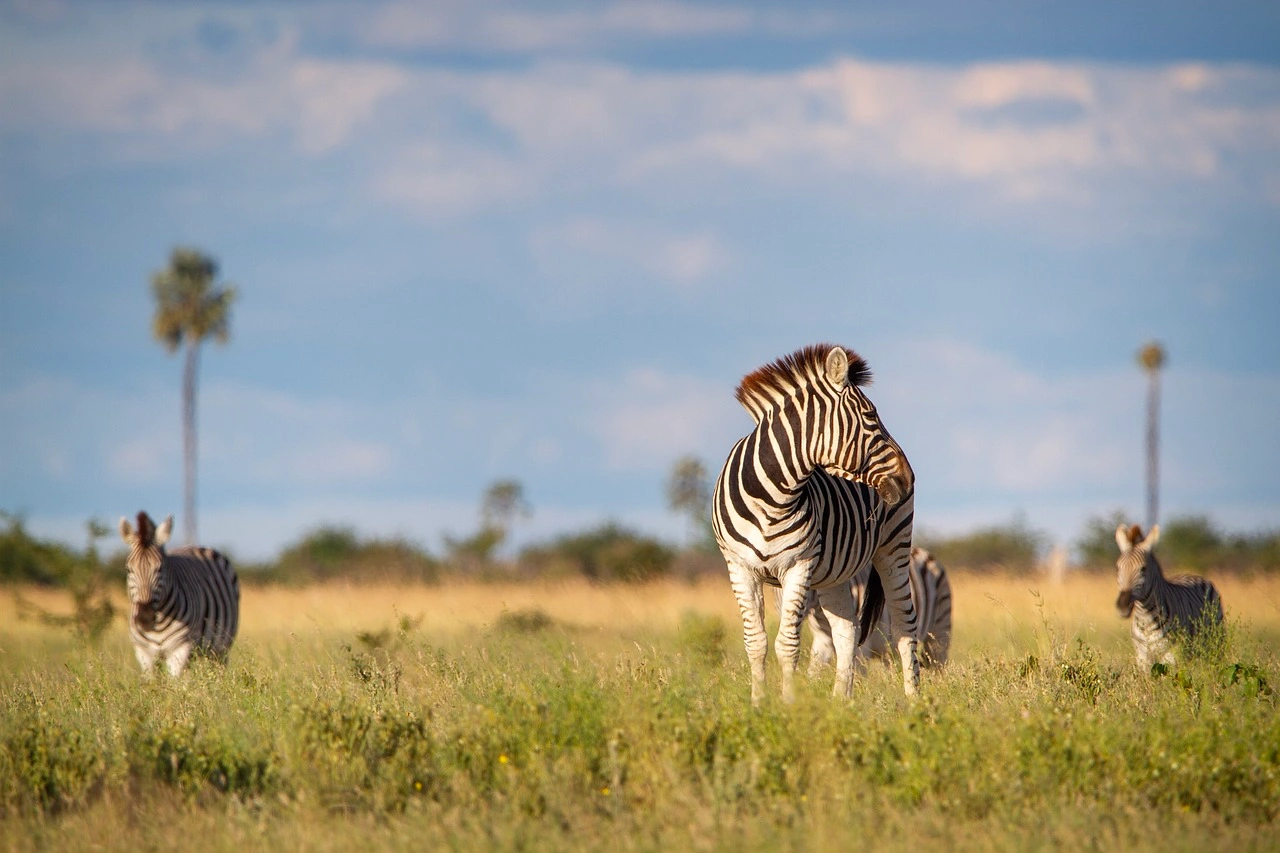
Hell’s Gate supports plains wildlife rather than dense concentrations of large predators. Buffalo, giraffe, zebra, eland, Coke’s hartebeest and Thomson’s gazelle are among the more regular sightings. Olive baboons are often seen around rocky areas. Klipspringer and Chanler’s mountain reedbuck are less common, while spotted hyena, black-backed jackal and serval are occasional. Lion and elephant are not typical park sightings.
AbundantCommonOccasionalRareNone
African Buffalo
Common
 Giraffe
Common
 Plains Zebra
Common
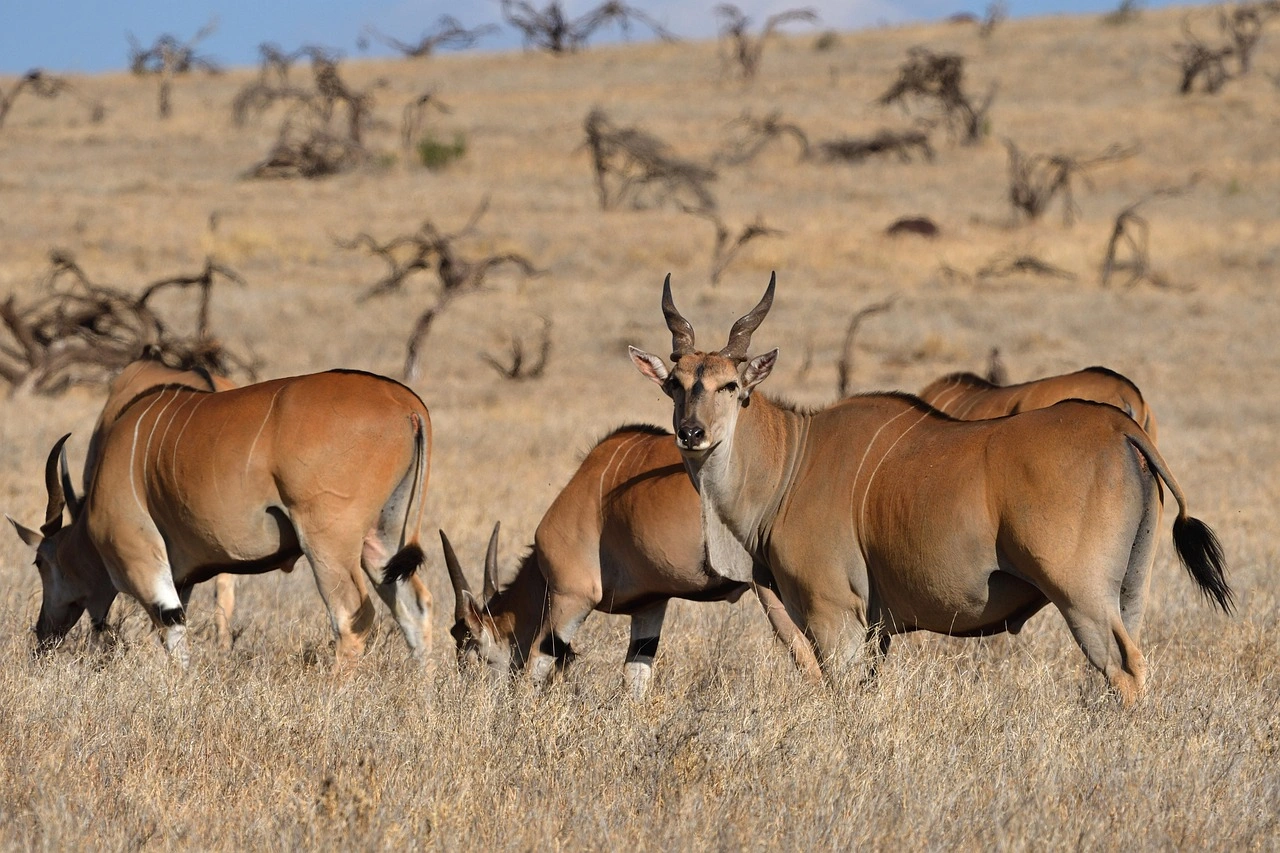 Eland
Common
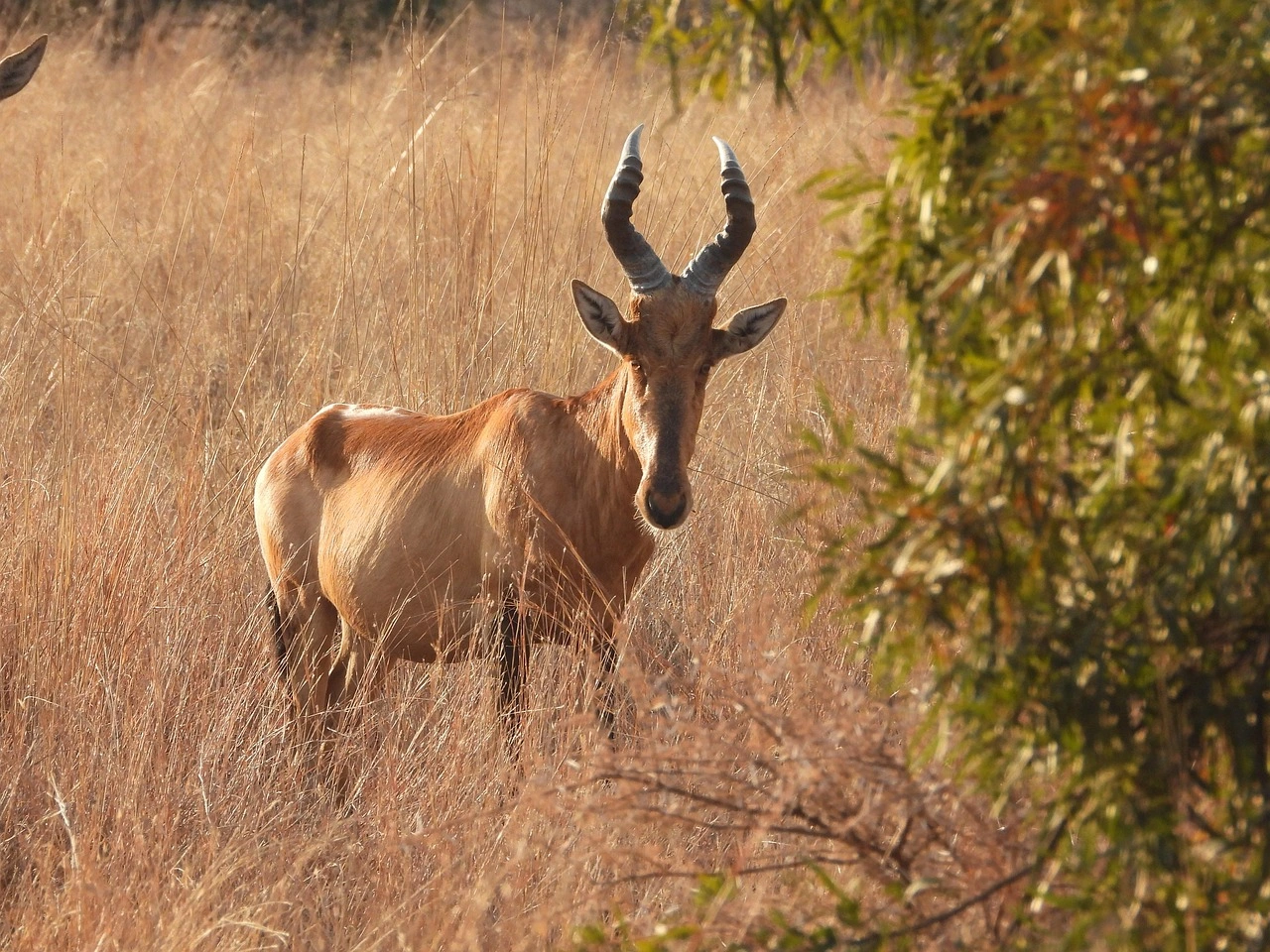 Coke's Hartebeest
Common
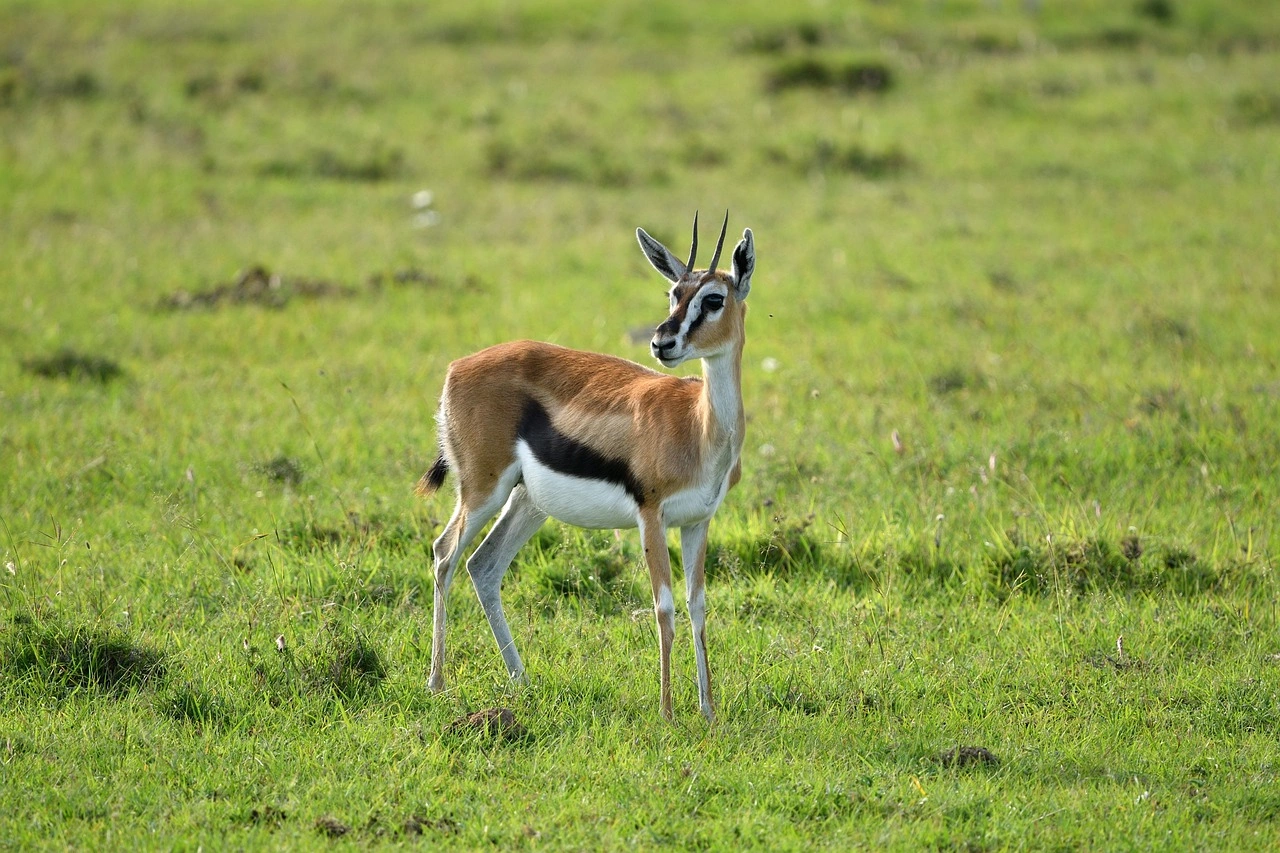 Thomson's Gazelle
Common
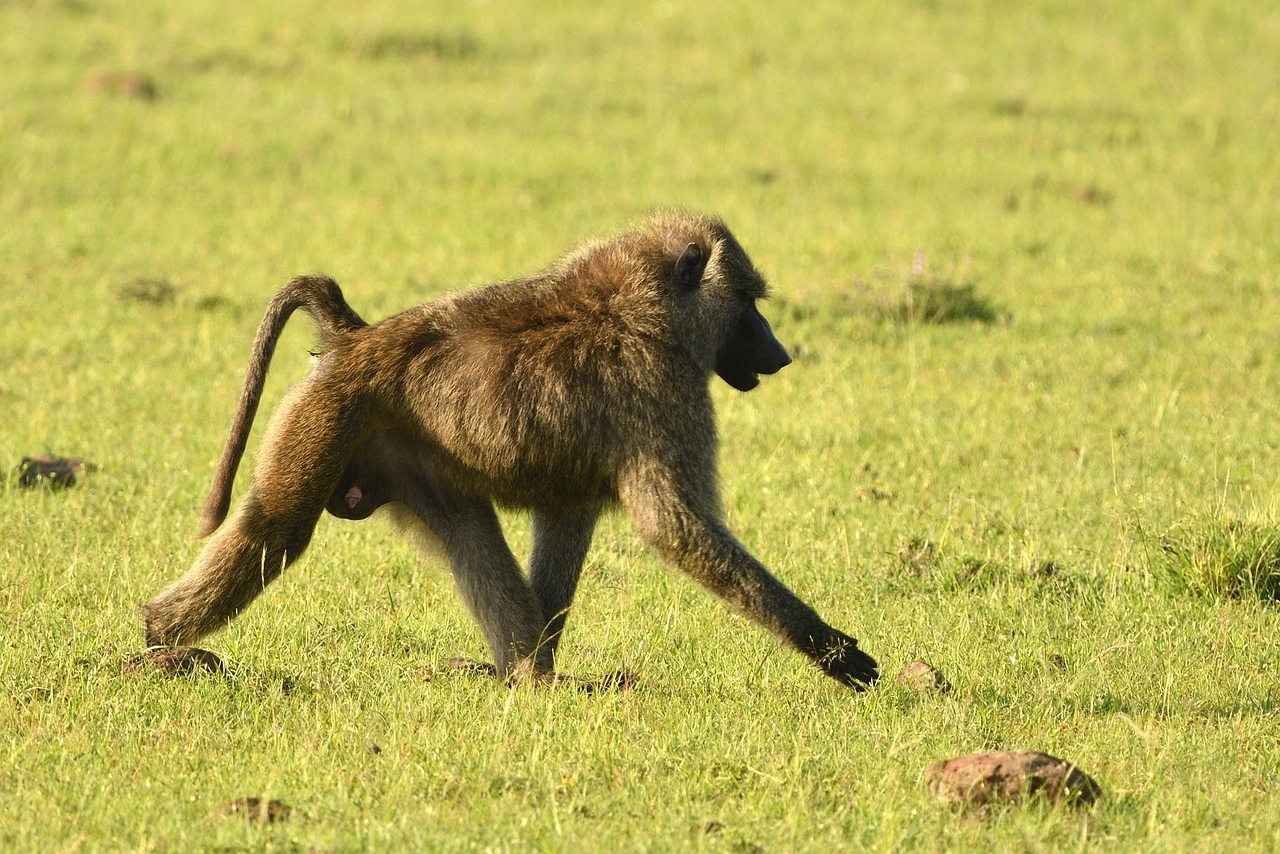 Olive Baboon
Common
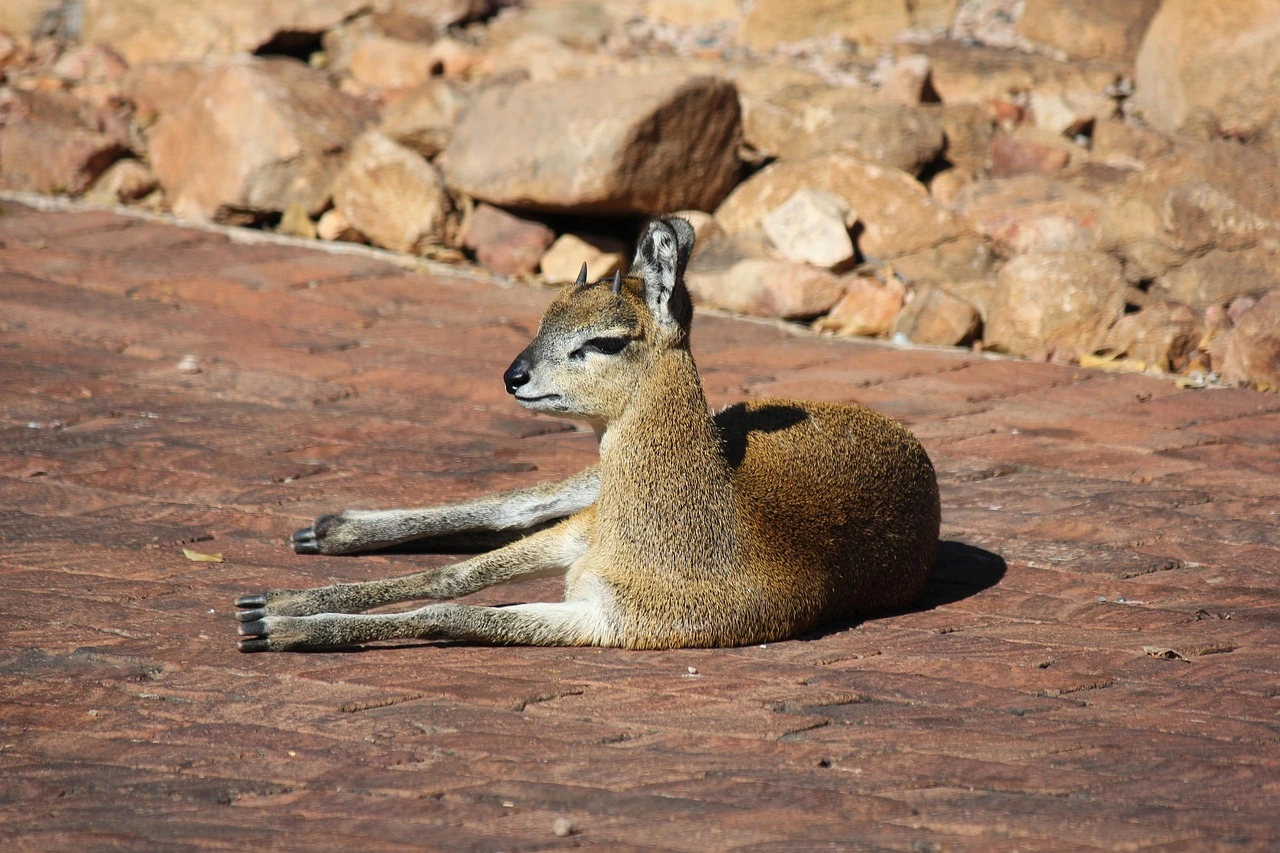 Klipspringer
Occasional
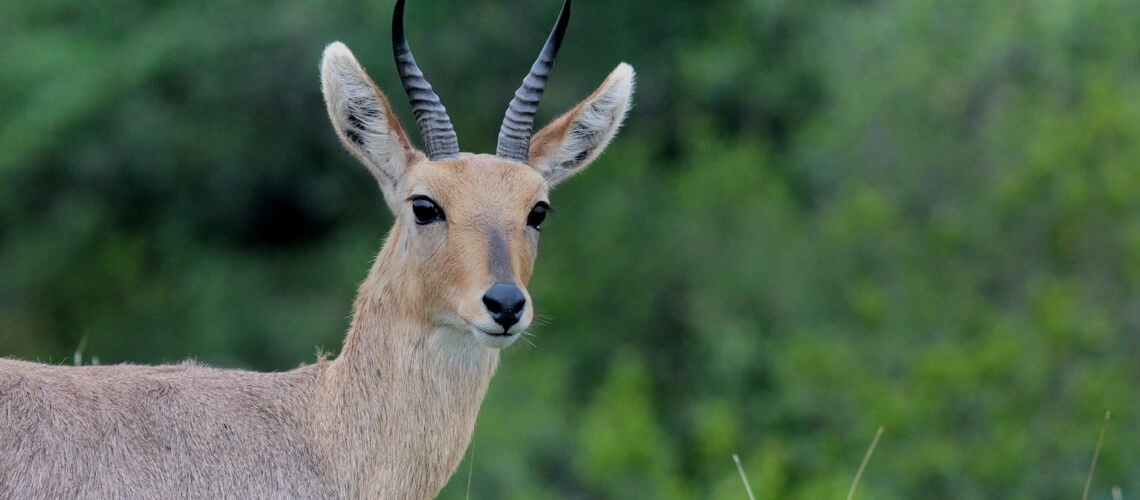 Chanler's Mountain Reedbuck
Occasional
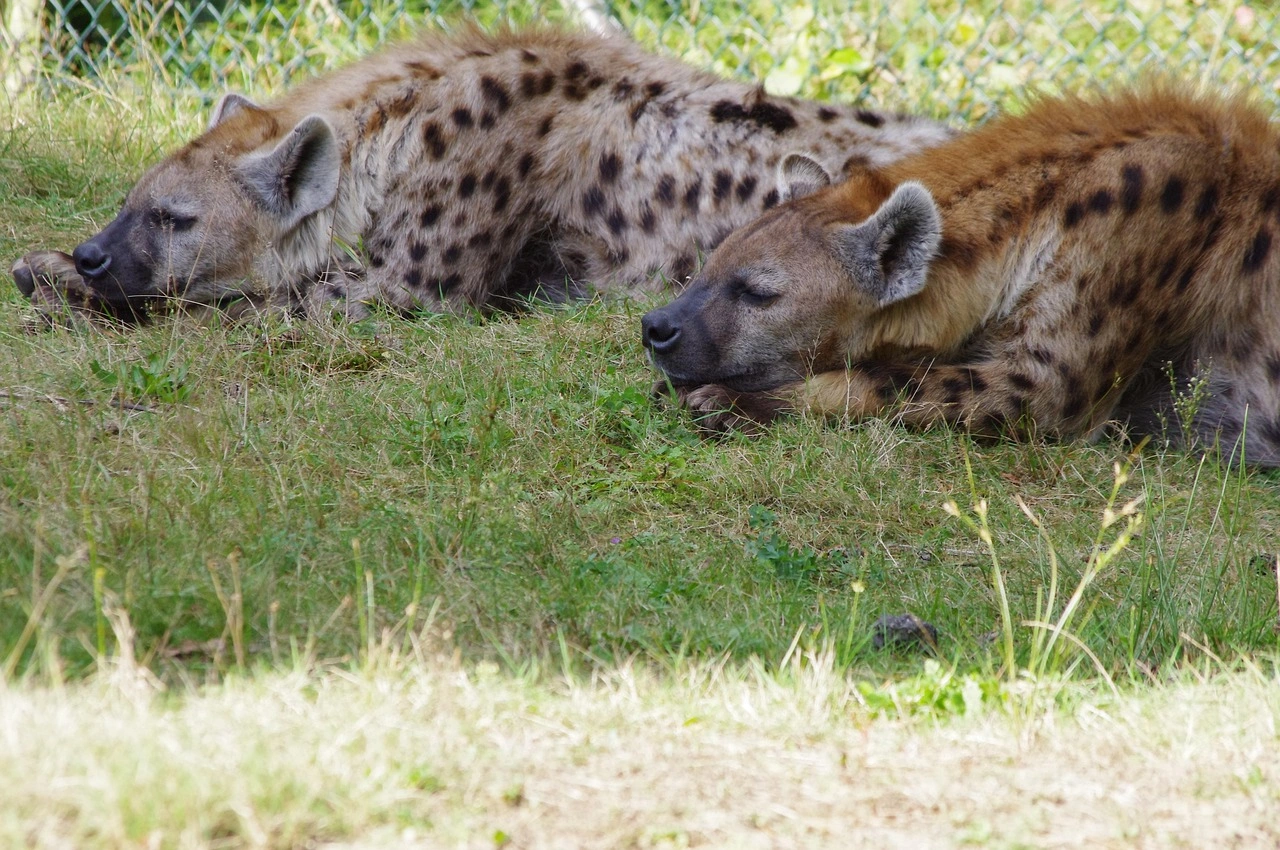 Spotted Hyena
Occasional
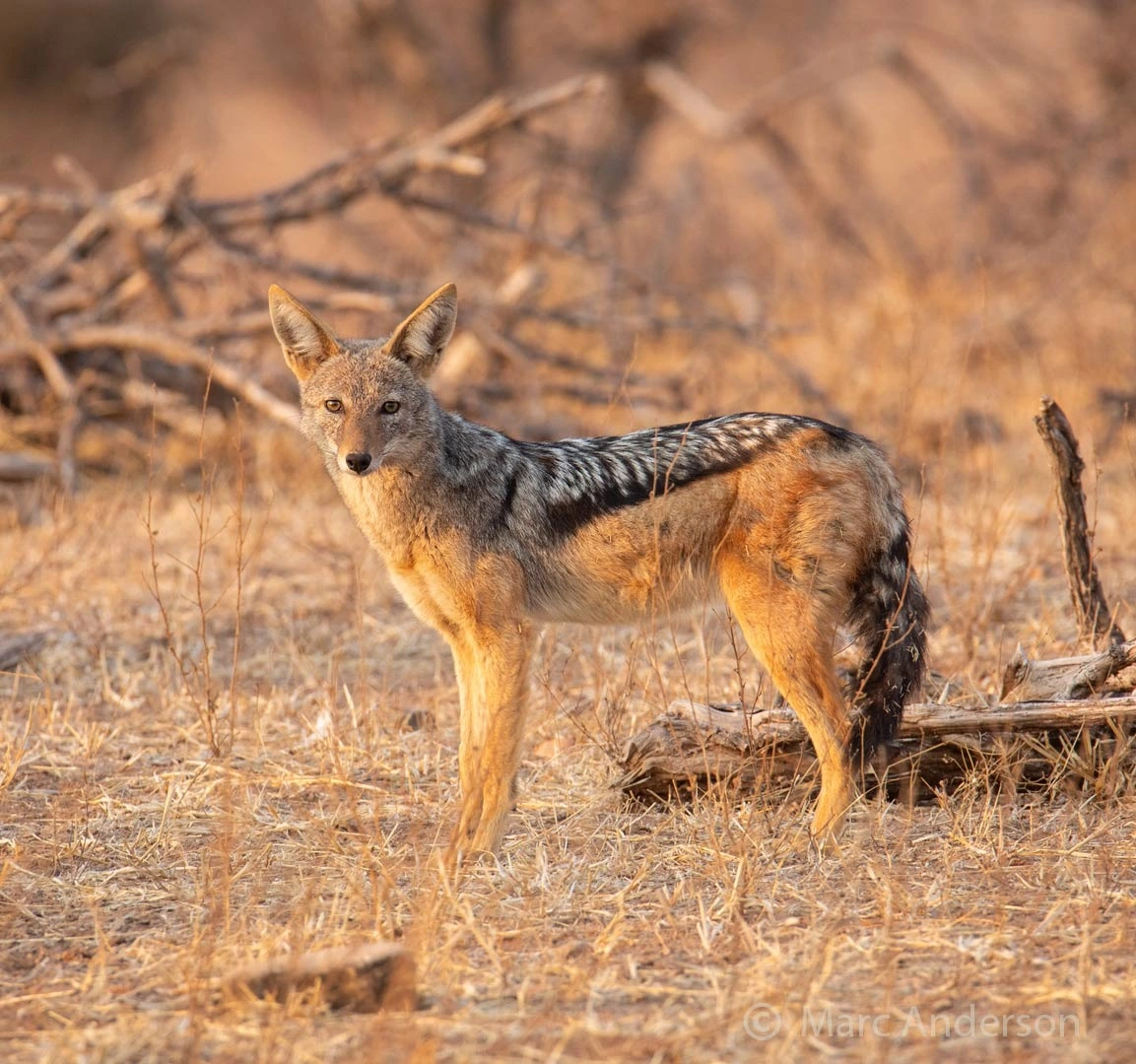 Black-backed Jackal
Occasional
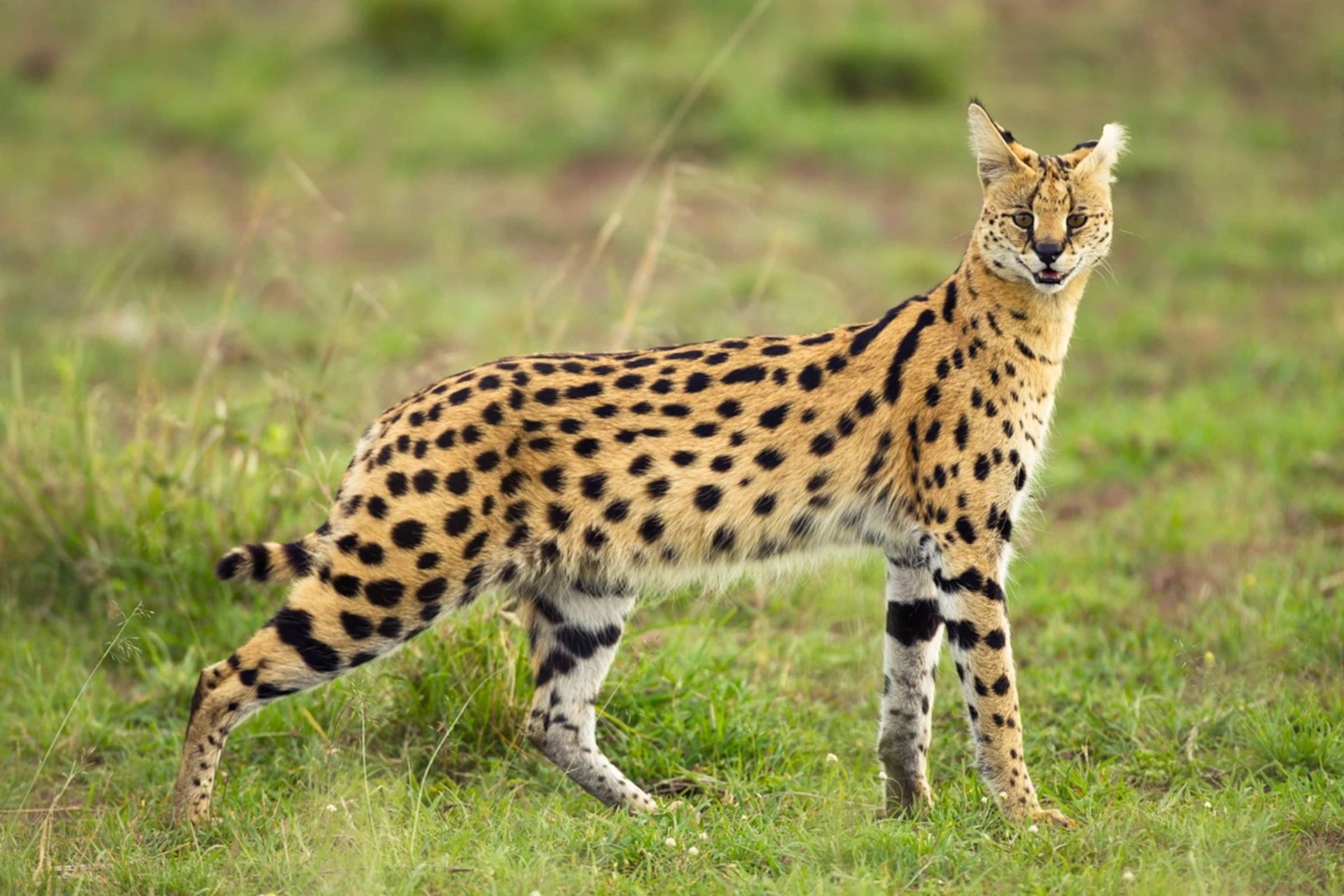 Serval
Rare
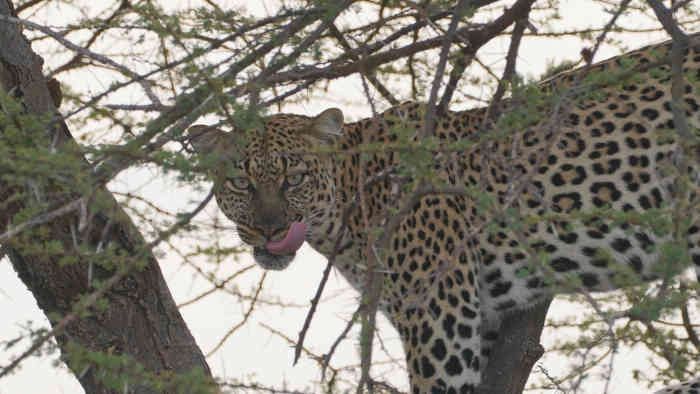 Leopard
Rare to None
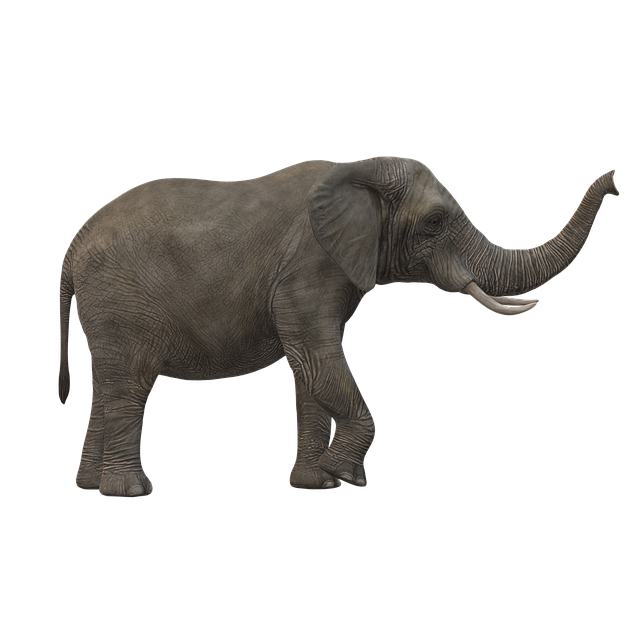 African Elephant
None
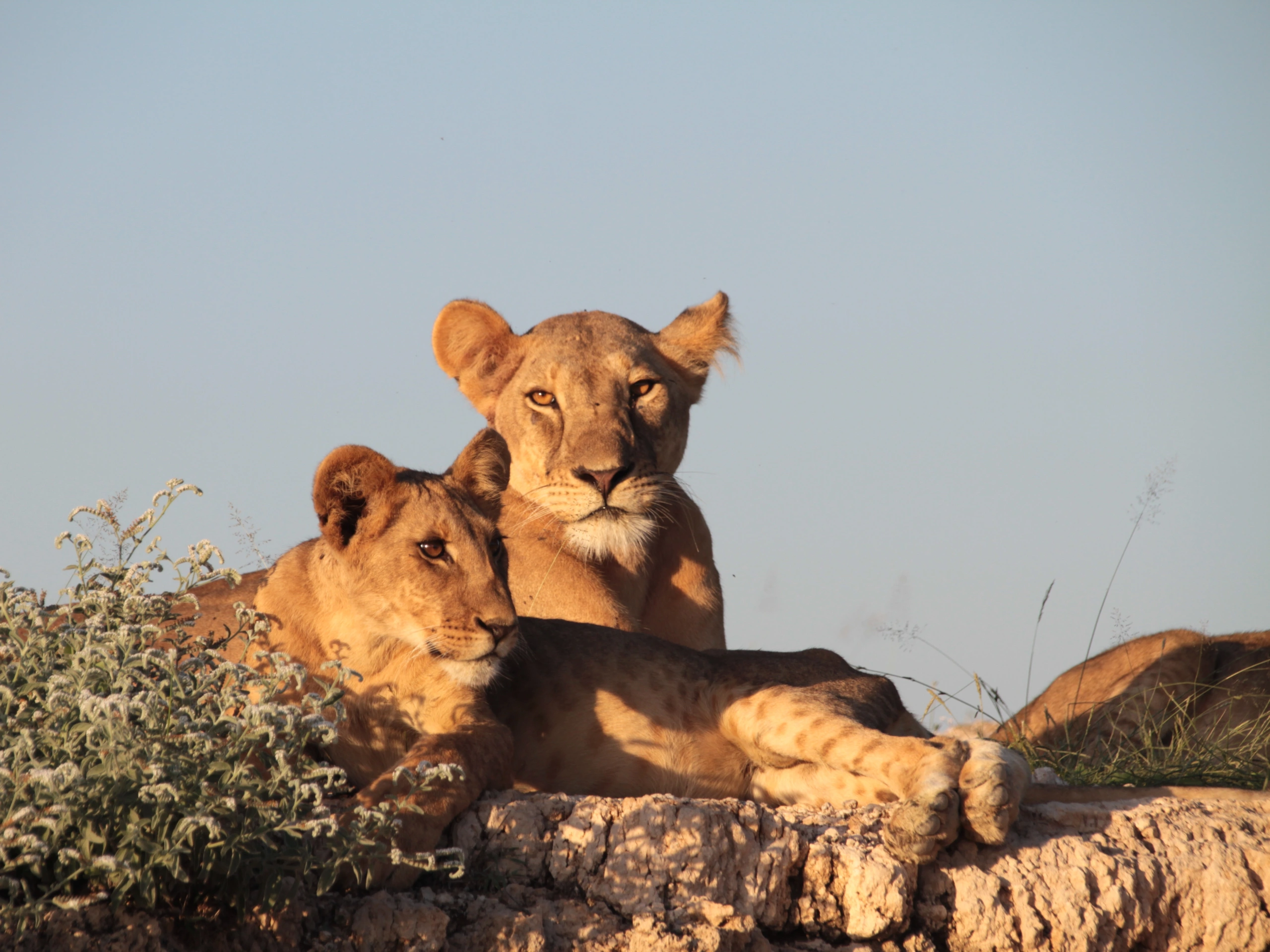 Lion
None
Birding
Birds of Hell's Gate National Park
More than 150 bird species have been recorded in specialist references. Hell’s Gate is especially associated with cliff and grassland birds, including Rüppell’s vulture, augur buzzard, secretary bird and several swifts and wheatears. Migrants are present mainly from November to April, while wetter months can also coincide with nesting and breeding activity.
Notable Birds in Hell's Gate National Park
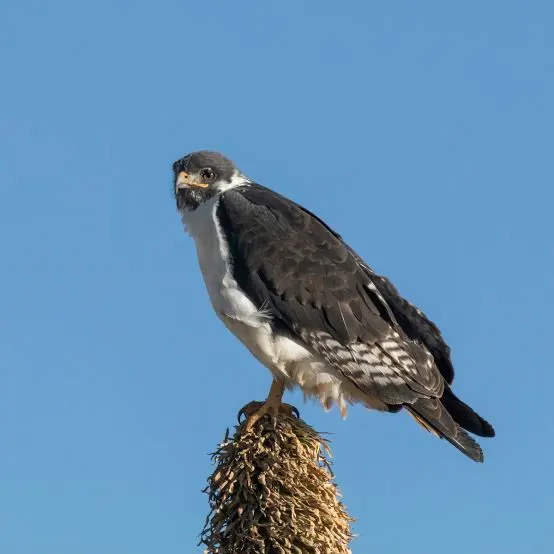
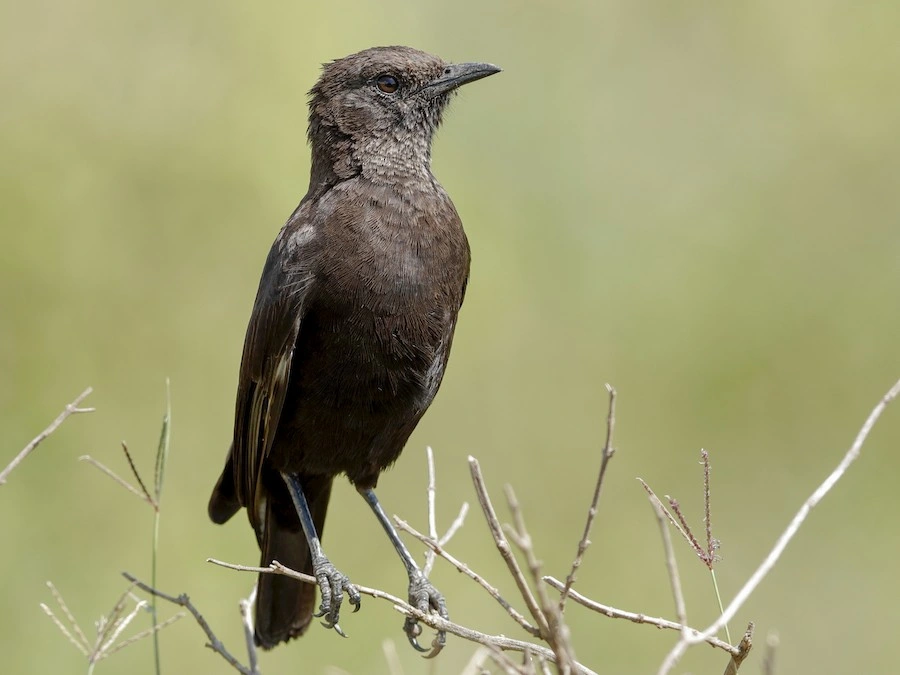
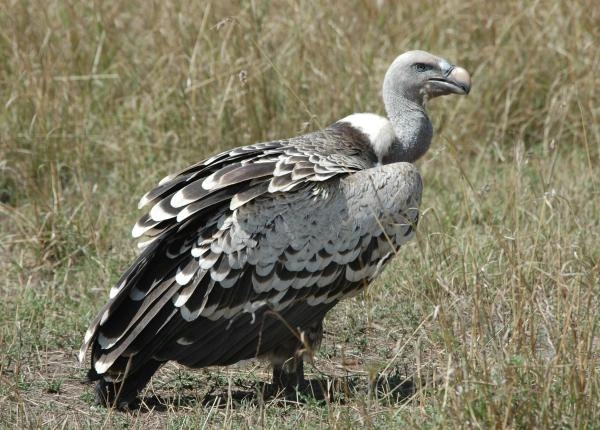
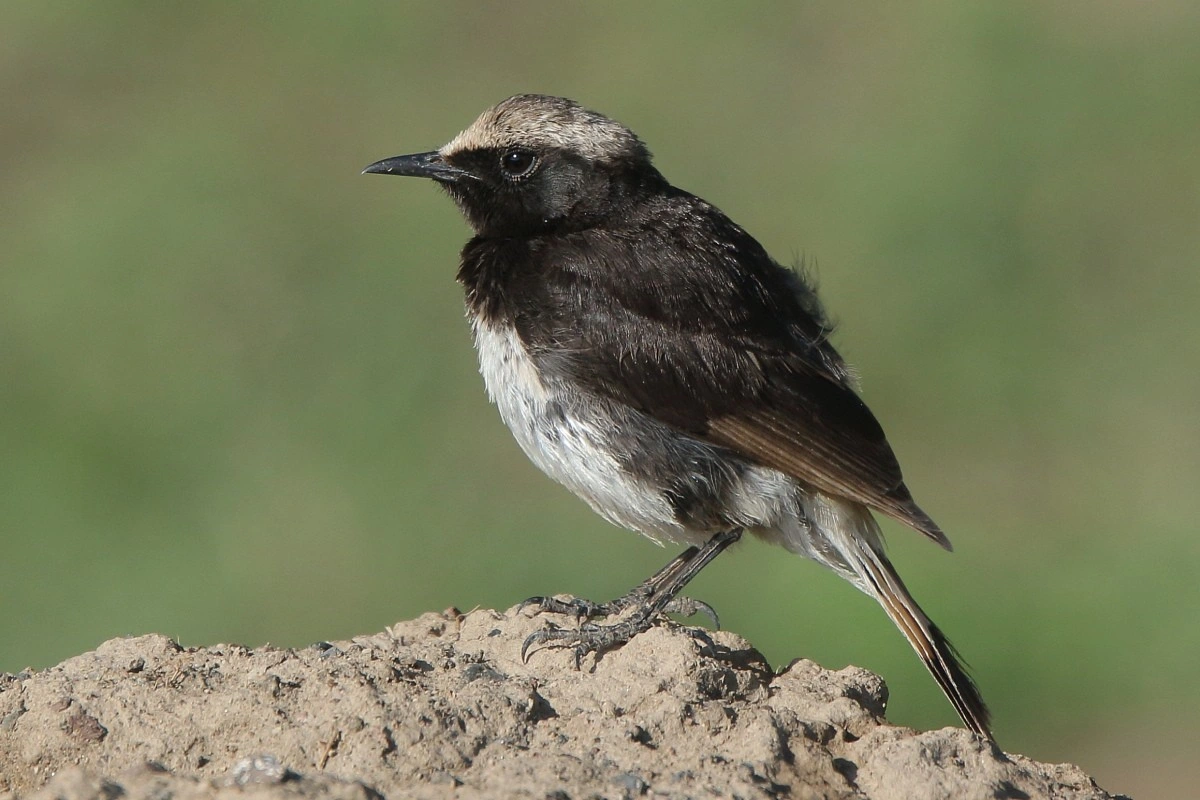
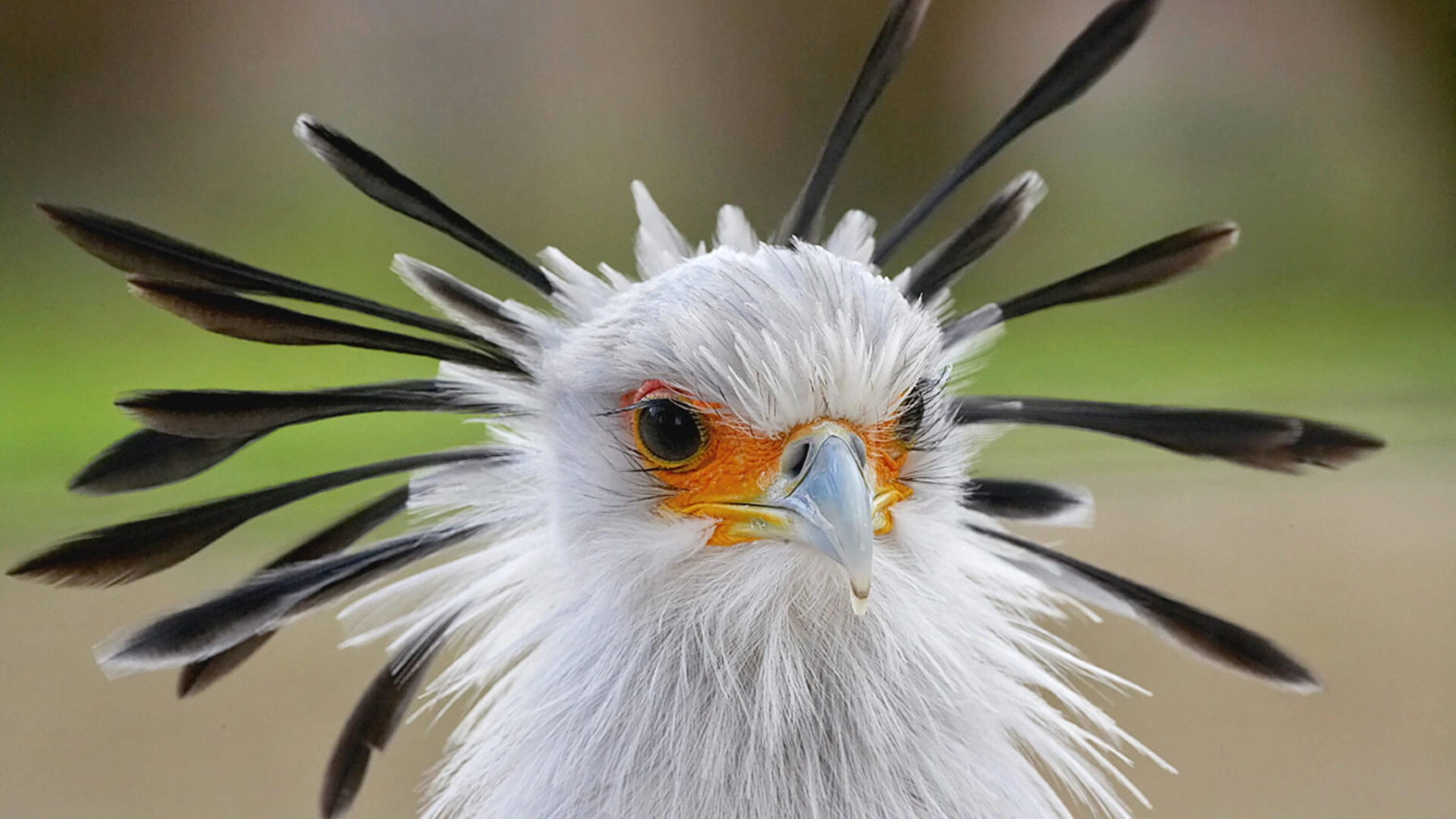
Birding Specials
Treats for avid birders(NE) near-endemic = mainly restricted to Kenya and neighbouring areas.
- African Kestrel
- Golden-winged Sunbird
- Jackson's Widowbird
- Mottled Swift
- Nyanza Swift
- Verreaux's Eagle
- White-rumped Swift
- Yellow Bishop
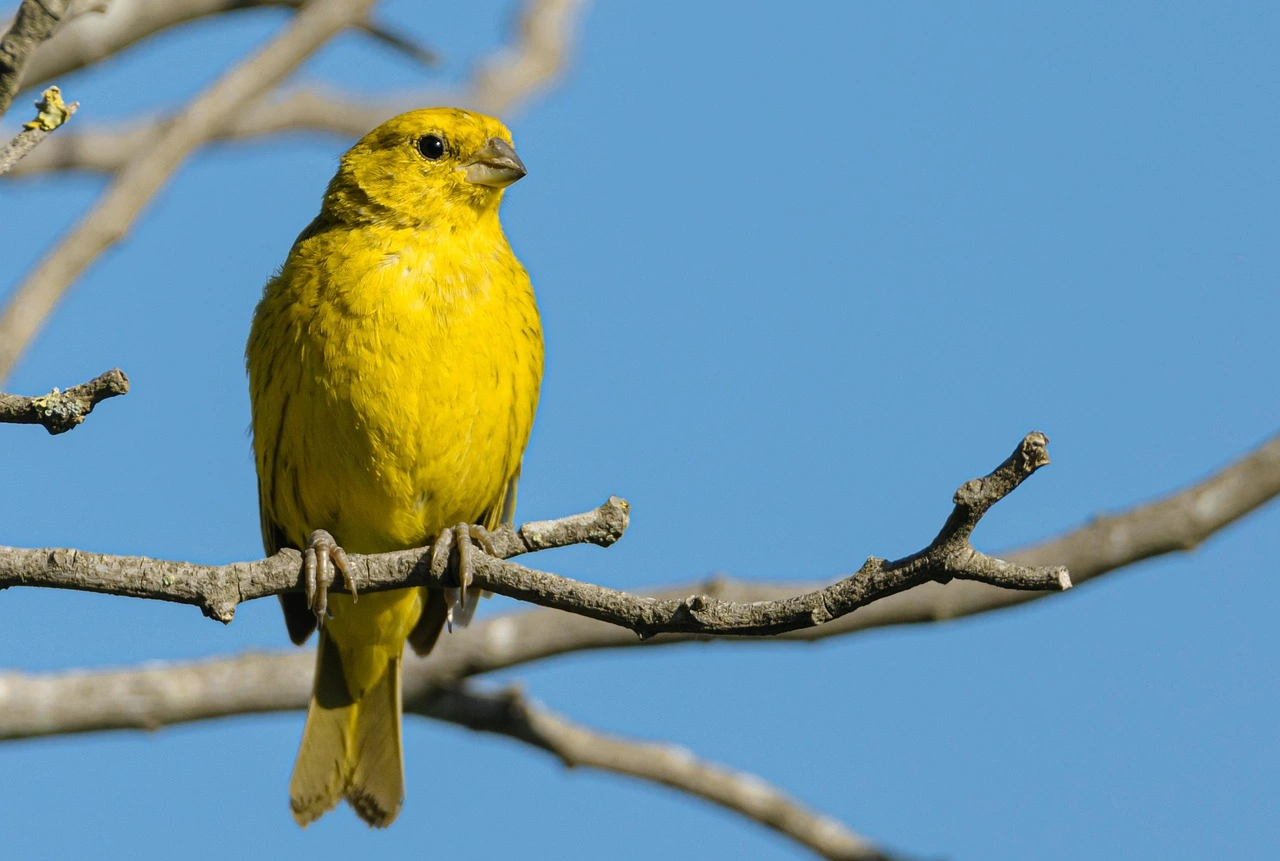
- Yellow-rumped Seedeater
- Eastern Imperial Eagle
Planning by season
Best Time To Visit Hell's Gate National Park
June to February is generally the easiest period for walking, cycling and wildlife viewing because heavy rain is less likely to interrupt outdoor plans. The park is worth visiting throughout the year, but March to May can bring wetter conditions.
- June–October: dry, mild and excellent for active outdoor exploration.
- November–February: generally workable, with green scenery developing after rain.
- March–May: heavier rains can affect trails, gorge access and cycling conditions.
Climate guide
Weather & Climate
Hell’s Gate has a mild climate because of its elevation. Days are usually pleasant in the low to mid-twenties Celsius, while nights and early mornings can be cold. The long rains are concentrated from roughly March to May, and a shorter rainy period usually occurs around November. June to October is generally sunny and dry.
Route planning
How To Get To Hell's Gate National Park
By road: travel from Nairobi toward Naivasha on the A104, then connect to Moi South Lake Road for the park approach. Hell’s Gate lies close enough to Naivasha to work well as a day trip.
Because hiking, gorge access and cycling can be affected by weather or operational restrictions, check current conditions shortly before travel.
Official information: see the Kenya Wildlife Service Hell’s Gate page. Official park-entry applications and payments are handled through the KWS eCitizen park-entry portal.
What to do
Experiences in Hell's Gate National Park
These experience guides are linked directly to this destination.
Map
Where is Hell's Gate National Park?
Safaris
Safaris Visiting Hell's Gate National Park
Published Greatlink routes that include this destination. Safari pricing is prepared from the traveller's enquiry.
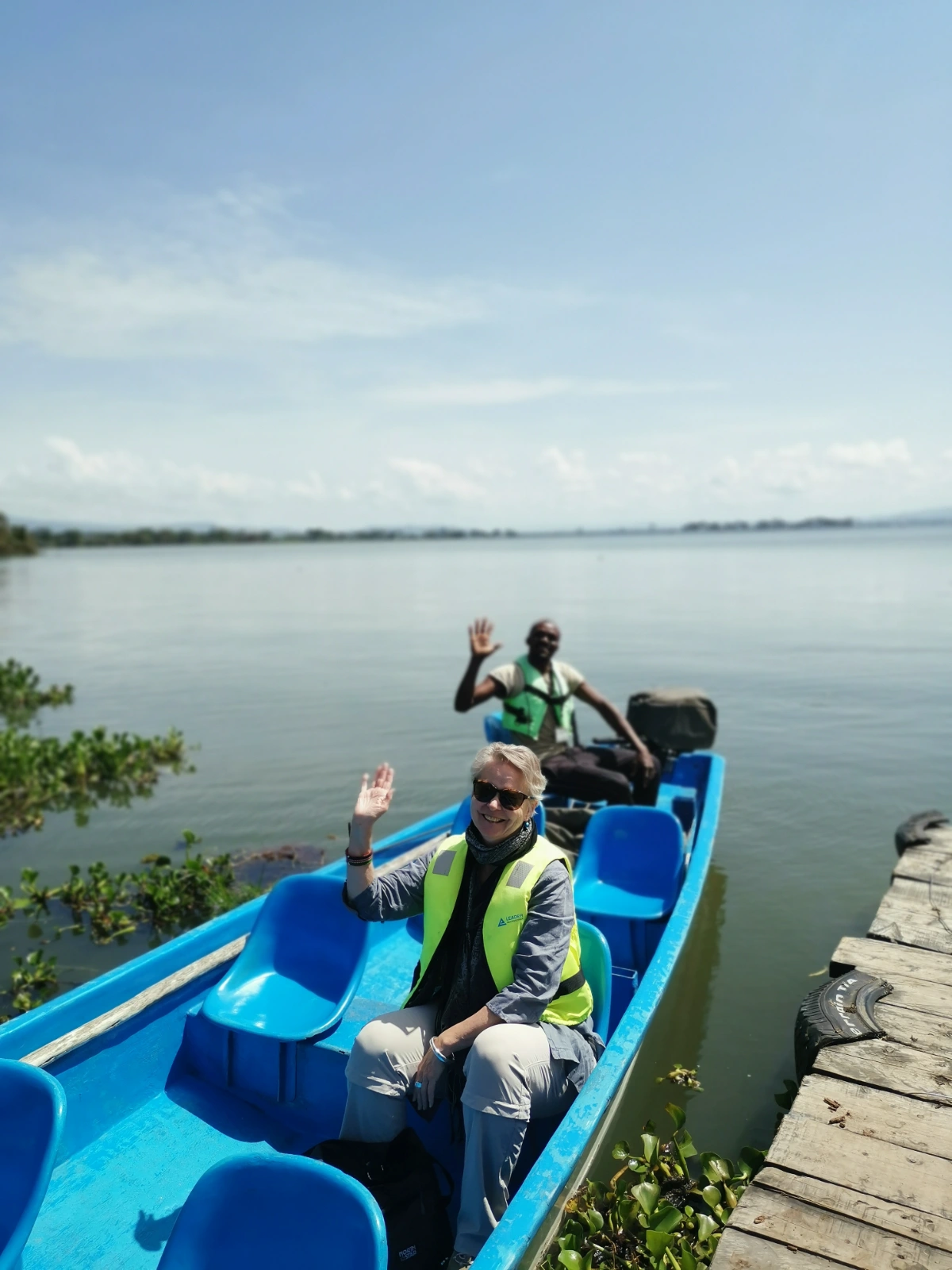
2 Days / 1 Night
2 Day Hell's Gate Cycling and Lake Naivasha Adventure
Personalised Quote Based on your enquiry
View Safari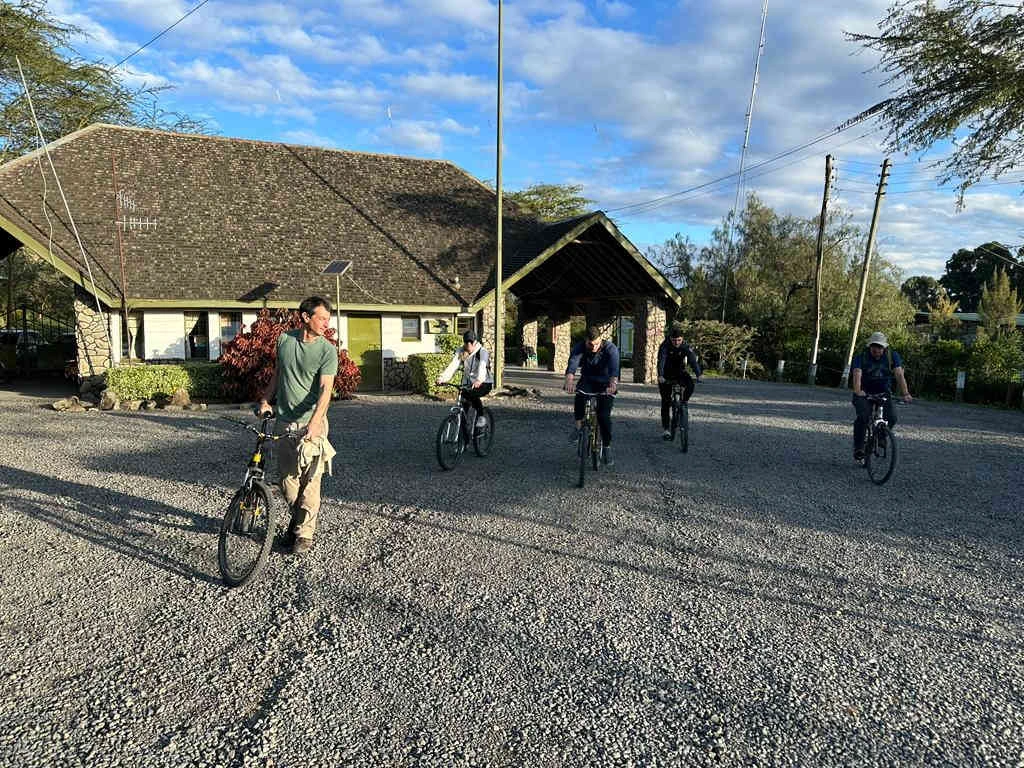
1 Day
1 Day Hell's Gate Cycling and Lake Naivasha Safari
Personalised Quote Based on your enquiry
View Safari