About the Common Warthog
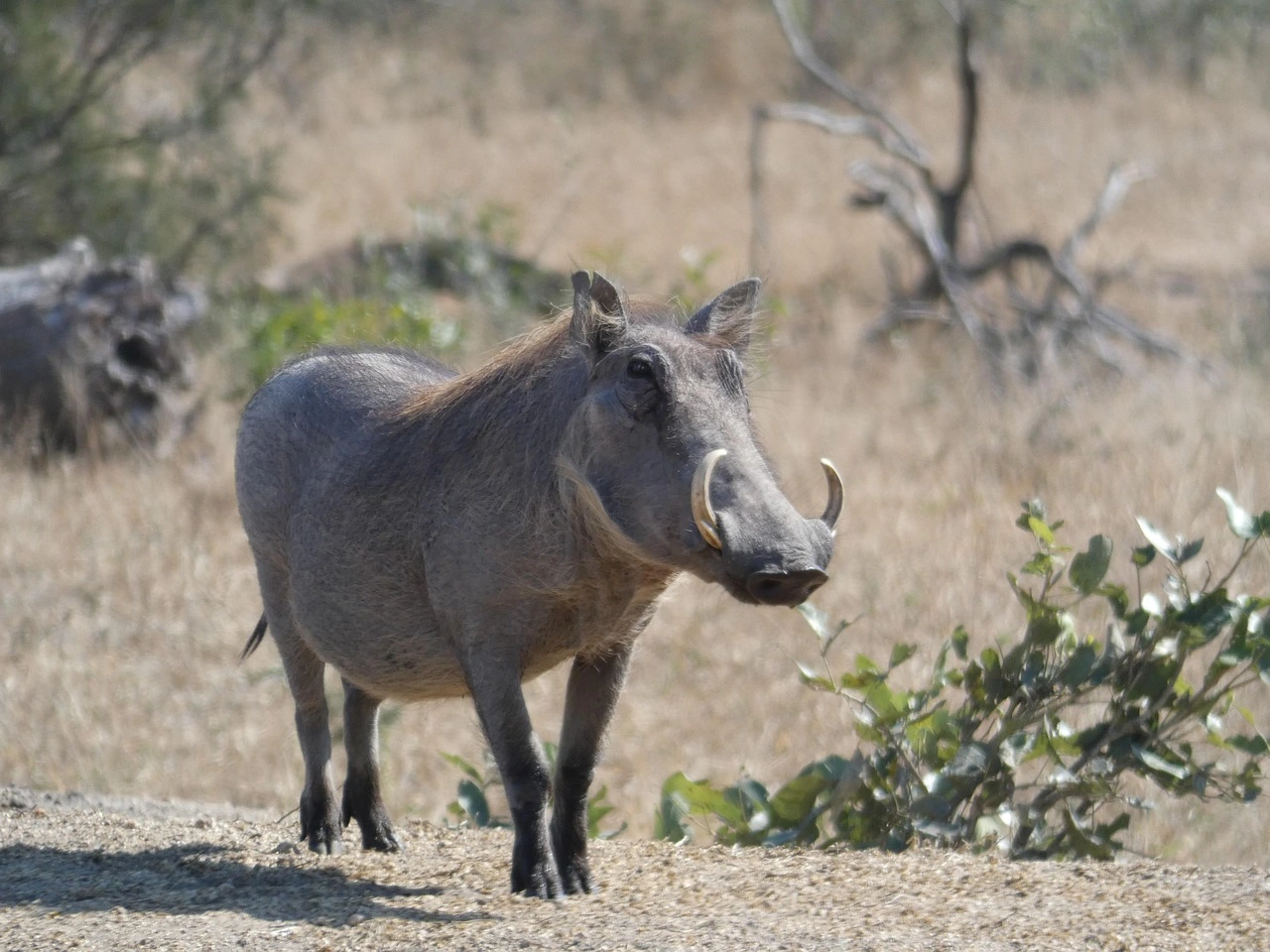
Warthogs have a large head, sparse mane, curved tusks and fleshy facial pads or warts that are especially pronounced in adult males. The tail is often held upright like a flag when running.
Females and young form small family groups, while adult males may live alone or in bachelor groups. Warthogs frequently use abandoned aardvark burrows for shelter and enter backwards so the tusks face the entrance.
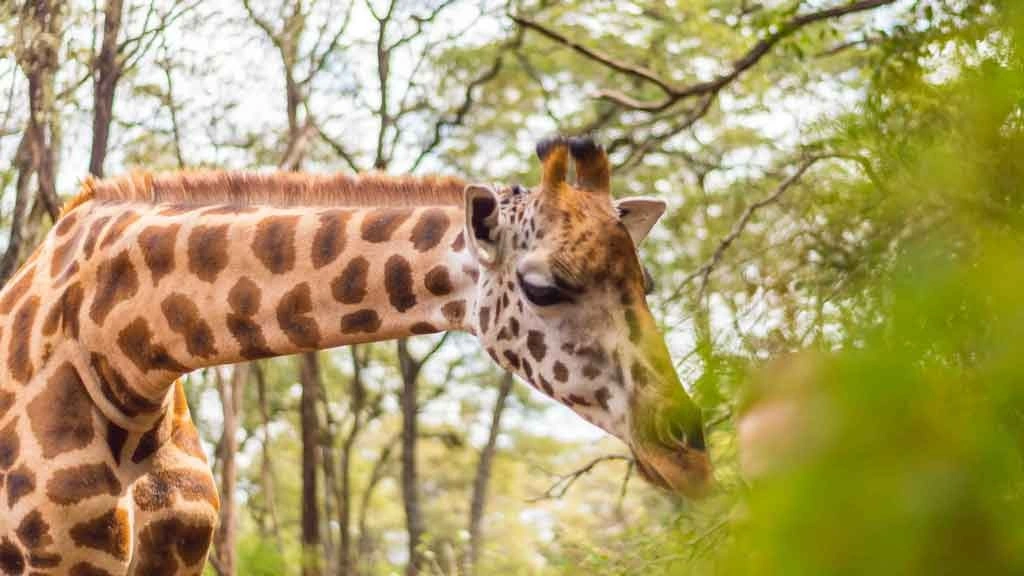
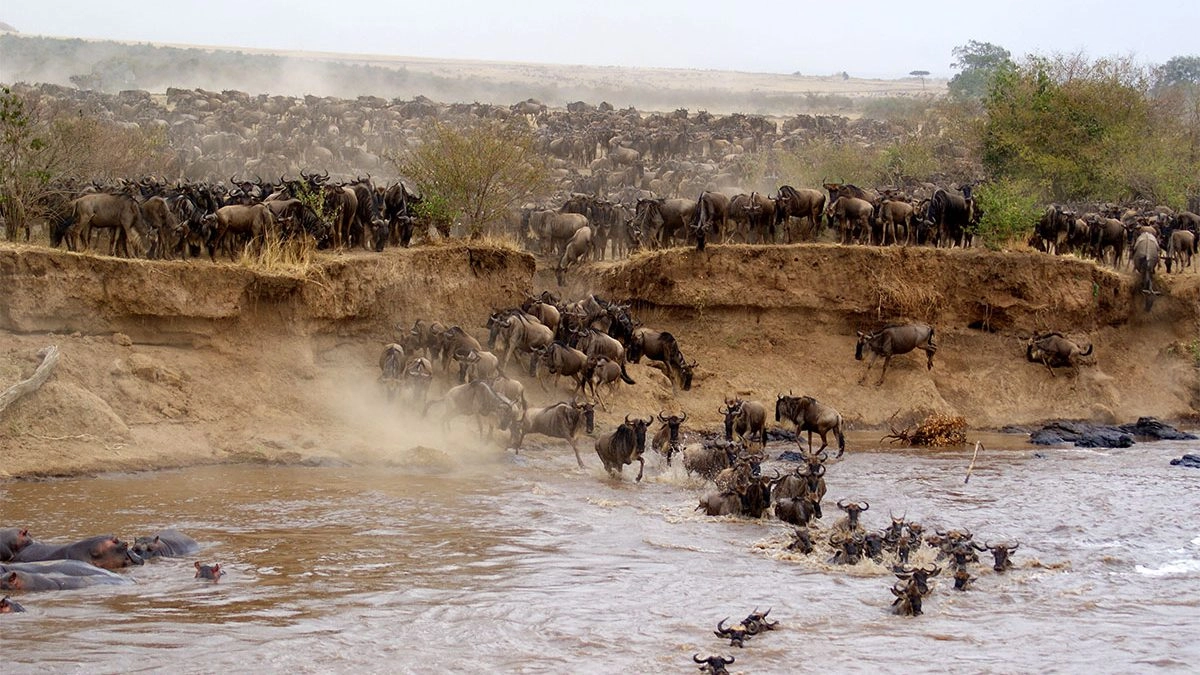
Safari context in Kenya: Within the current Greatlink Safaris destination network, useful places to look for this species include Masai Mara National Reserve, Lake Naivasha, and Giraffe Centre. Sightings remain natural and unpredictable, so Greatlink Safaris plans around habitat, season and realistic wildlife expectations rather than guarantees. Travellers can also explore the Kenya wildlife guide or compare private Kenya safaris that visit suitable ecosystems.
Conservation: Common warthogs are Least Concern and remain widespread in suitable savannah habitat. For the latest global assessment and taxonomic notes, consult the IUCN conservation reference. Kenya protected area information is also available from the Kenya Wildlife Service.
Interesting facts and identification clues
- Warthogs often kneel on thickened wrist pads while feeding.
- They commonly reverse into burrows to keep the head and tusks facing outward.
- The upright tail can help group members follow one another through tall grass.
- Despite the tusks, grass forms a large part of the diet.
- Young piglets are vulnerable to lions, leopards, cheetahs and large eagles.
Responsible viewing: Keep a respectful distance, avoid blocking the animal’s route, keep noise low and follow the driver guide’s instructions. Wildlife behaviour changes with weather, breeding, food, water and human pressure, so every encounter should be treated as an unscripted observation.
Content reviewed 1 Oct 2026