About the Leopard
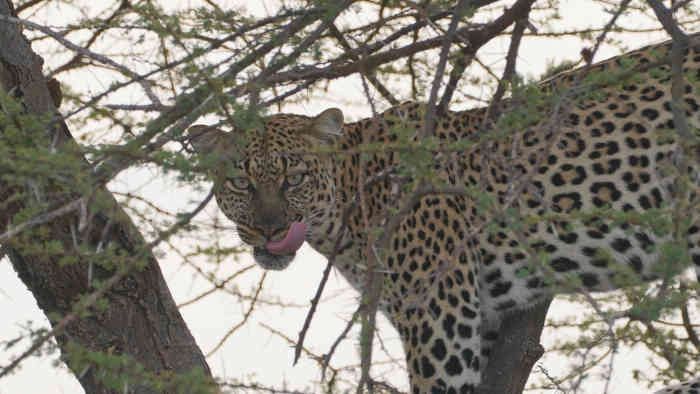
Leopards have golden coats marked with black rosettes, a long tail and a heavily muscled build. The rosettes differ from the solid spots of a cheetah, and the broader head and shorter legs give leopard a more powerful appearance.
Adults are largely solitary and maintain overlapping home ranges. Leopards rely on stealth and ambush, and they often drag prey into trees to reduce competition from lions and hyenas.
Safari context in Kenya: Within the current Greatlink Safaris destination network, useful places to look for this species include Buffalo Springs National Reserve, Samburu National Reserve, and Tsavo West National Park. Sightings remain natural and unpredictable, so Greatlink Safaris plans around habitat, season and realistic wildlife expectations rather than guarantees. Travellers can also explore the Kenya wildlife guide or compare private Kenya safaris that visit suitable ecosystems.
Conservation: Leopards are globally Vulnerable. Habitat loss, prey depletion, illegal killing and conflict around livestock areas have reduced populations in many parts of their range. For the latest global assessment and taxonomic notes, consult the IUCN conservation reference. Kenya protected area information is also available from the Kenya Wildlife Service.
Interesting facts and identification clues
- Rosette patterns are individually unique and can identify known animals.
- Leopards are exceptional climbers and can carry heavy prey into trees.
- They use scent marks, scrapes and vocal calls to advertise territories.
- Riverine woodland and rocky cover are often productive places to search.
- Never pressure a leopard out of cover for a photograph; patience produces better behaviour and safer viewing.
Responsible viewing: Keep a respectful distance, avoid blocking the animal’s route, keep noise low and follow the driver guide’s instructions. Wildlife behaviour changes with weather, breeding, food, water and human pressure, so every encounter should be treated as an unscripted observation.
Content reviewed 1 Oct 2026