About the Olive Baboon
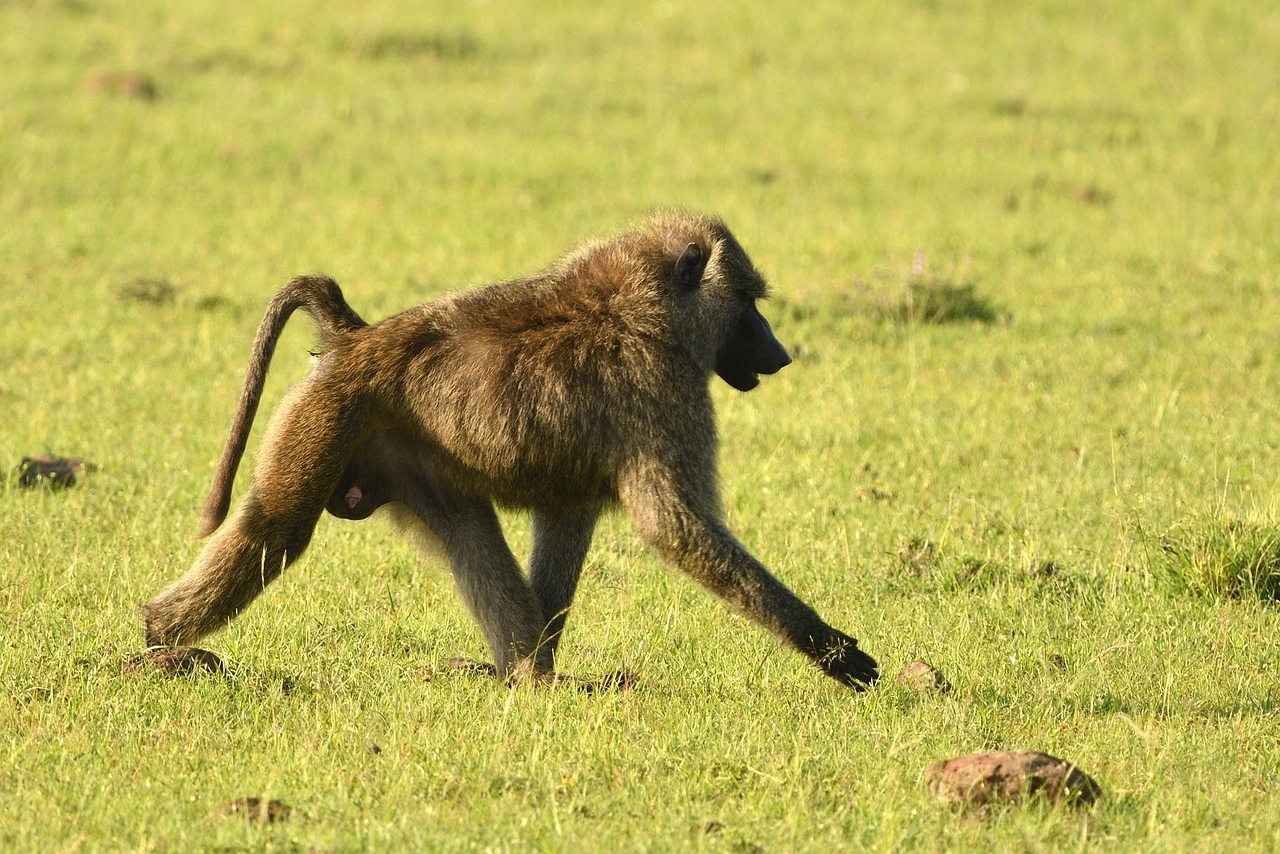
Olive baboons have a robust build, long dog-like muzzle and olive-grey coat. Adult males are much larger than females and develop heavier shoulders, a mane-like ruff and long canine teeth.
Troops can contain many individuals with complex dominance relationships and strong social bonds. Grooming is important for both hygiene and social interaction, while young animals learn through play and observation.
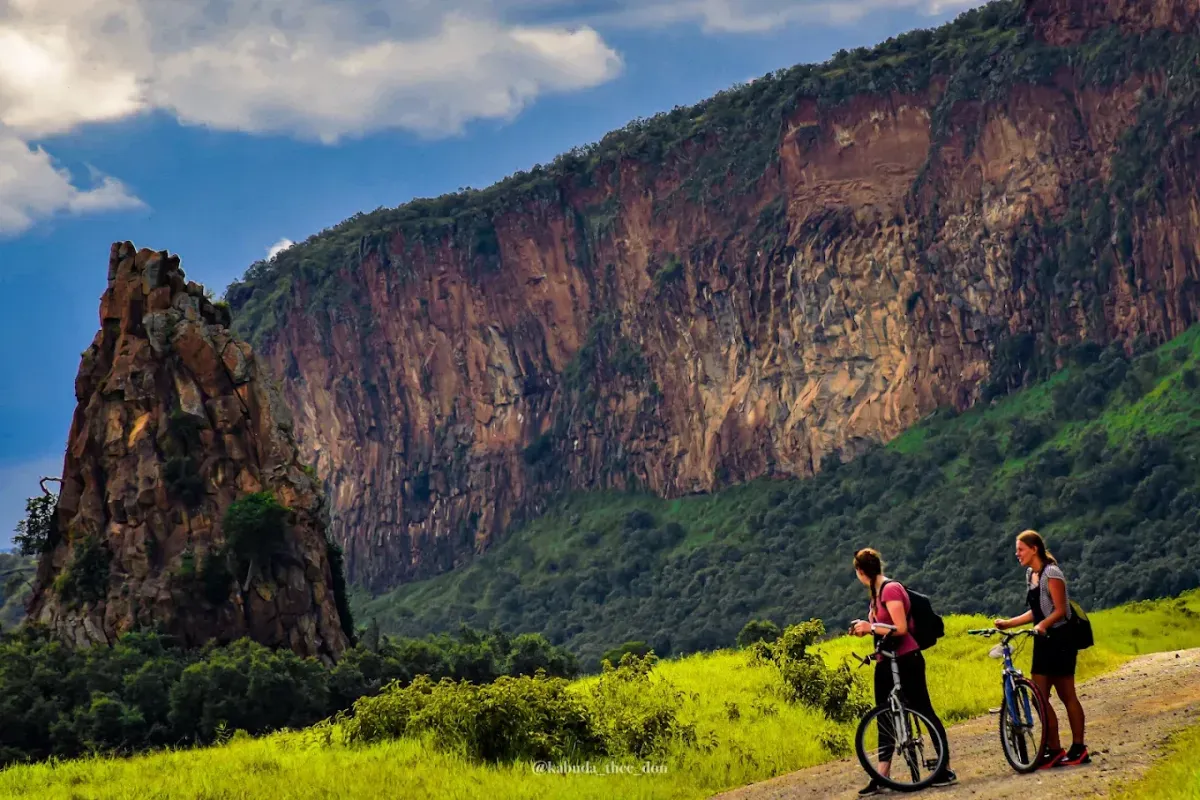
Safari context in Kenya: Within the current Greatlink Safaris destination network, useful places to look for this species include Hell's Gate National Park. Sightings remain natural and unpredictable, so Greatlink Safaris plans around habitat, season and realistic wildlife expectations rather than guarantees. Travellers can also explore the Kenya wildlife guide or compare private Kenya safaris that visit suitable ecosystems.
Conservation: Olive baboons are Least Concern and remain widespread, although conflict can increase where they become habituated to human food. For the latest global assessment and taxonomic notes, consult the IUCN conservation reference. Kenya protected area information is also available from the Kenya Wildlife Service.
Interesting facts and identification clues
- Troops use grooming to reinforce social relationships.
- Baboons communicate with facial expressions, calls and body posture.
- They are highly flexible feeders and can exploit many habitats.
- Never feed baboons; habituation to human food can lead to dangerous behaviour.
- Cliffs and large trees often provide secure nighttime sleeping sites.
Responsible viewing: Keep a respectful distance, avoid blocking the animal’s route, keep noise low and follow the driver guide’s instructions. Wildlife behaviour changes with weather, breeding, food, water and human pressure, so every encounter should be treated as an unscripted observation.
Content reviewed 1 Oct 2026