About the Wildebeest
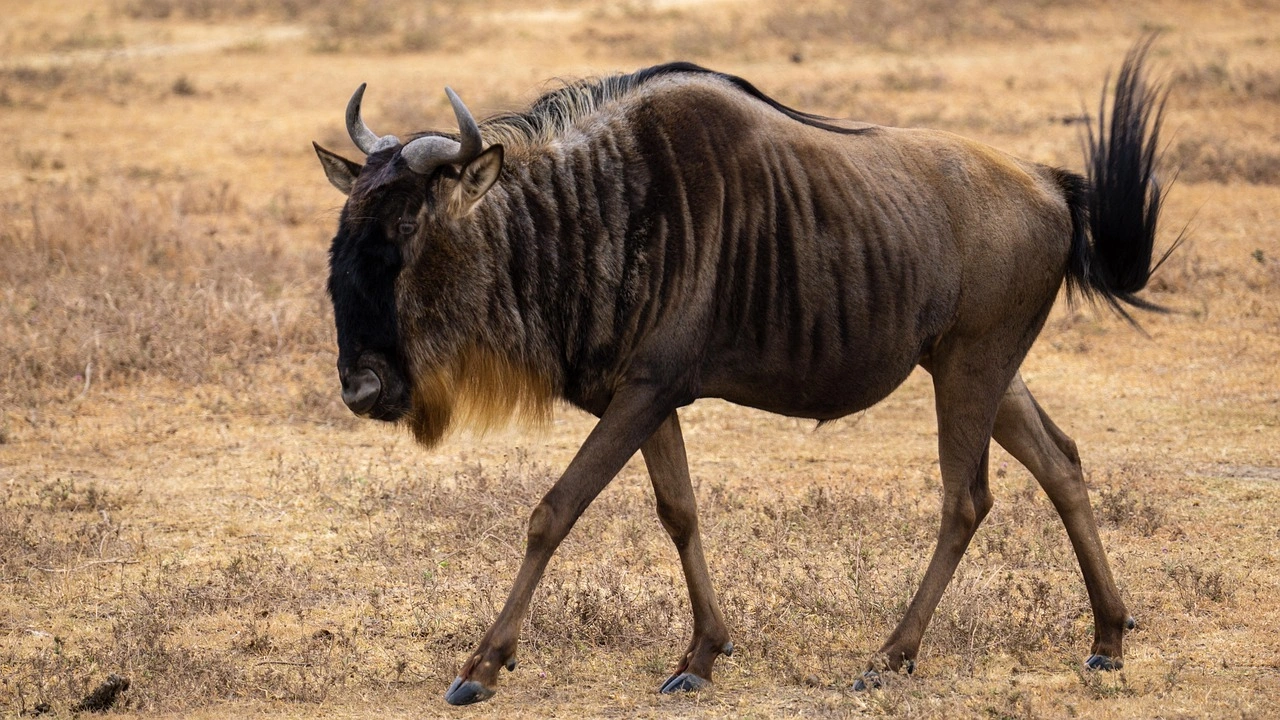
Wildebeest have a heavy front end, sloping back, broad muzzle, curved horns and a dark mane and beard. Adults are grey-brown with darker vertical bands across the shoulders.
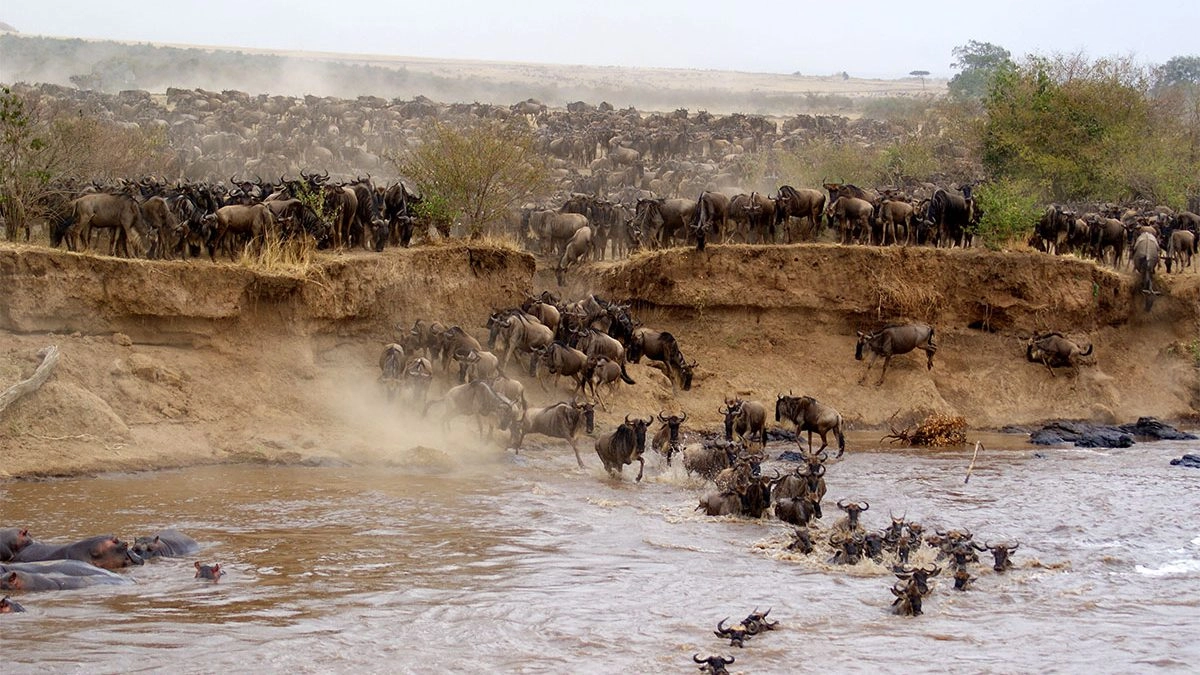
They form large herds and respond strongly to rainfall and fresh grass. Calving can be highly synchronised in some parts of the wider ecosystem, reducing the chance that predators can take more than a small proportion of newborns.
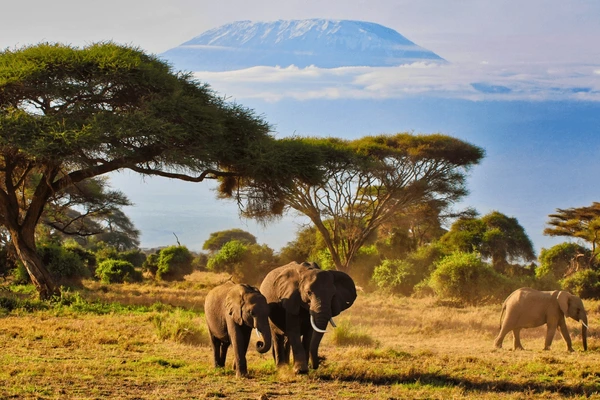
Safari context in Kenya: Within the current Greatlink Safaris destination network, useful places to look for this species include Amboseli National Park and Masai Mara National Reserve. Sightings remain natural and unpredictable, so Greatlink Safaris plans around habitat, season and realistic wildlife expectations rather than guarantees. Travellers can also explore the Kenya wildlife guide or compare private Kenya safaris that visit suitable ecosystems.
Conservation: Blue wildebeest are Least Concern globally, but migration routes depend on connected rangelands and access to water and seasonal grazing. For the latest global assessment and taxonomic notes, consult the IUCN conservation reference. Kenya protected area information is also available from the Kenya Wildlife Service.
Interesting facts and identification clues
- The Mara migration is driven by rainfall and grass conditions, not a fixed calendar date.
- River crossings are natural and unpredictable; no ethical operator can guarantee one on a specific day.
- Wildebeest often travel with plains zebra, which use slightly different grass layers.
- Calves can run within a short time of birth.
- Large herds attract lions, hyenas, crocodiles and other predators.
Responsible viewing: Keep a respectful distance, avoid blocking the animal’s route, keep noise low and follow the driver guide’s instructions. Wildlife behaviour changes with weather, breeding, food, water and human pressure, so every encounter should be treated as an unscripted observation.
Content reviewed 1 Oct 2026