
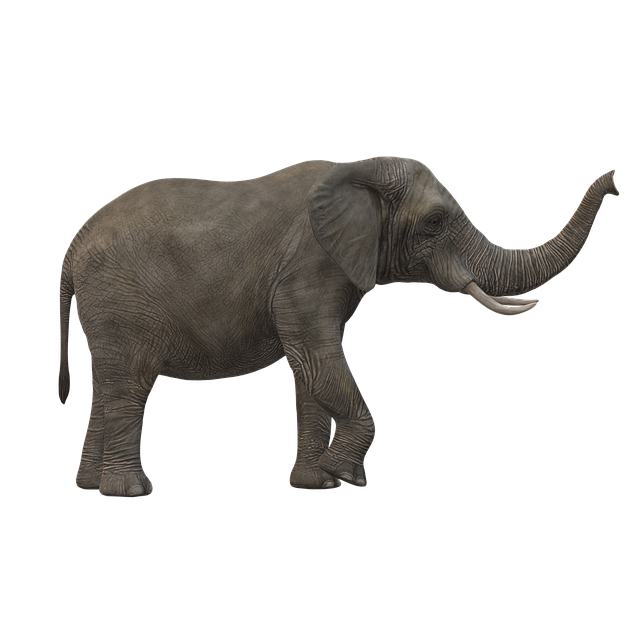
 African Elephant
Abundant
Overview
Tsavo East National Park Travel Guide
Tsavo East National Park is a vast semi-arid wilderness in southeastern Kenya, known for enormous horizons, red soils and elephant herds often stained by the park’s famous dust. The scale is a major part of the experience: wildlife can be more spread out than in smaller parks, but the sense of space and wilderness is exceptional.
The Galana River creates a green corridor through otherwise dry country, while features such as Lugard Falls, Mudanda Rock and the Yatta Plateau add strong scenic variety. Dry-country species such as gerenuk, lesser kudu, fringe-eared oryx and Somali ostrich give Tsavo East a different wildlife character from highland parks.
Tsavo East is especially convenient for travellers coming from Kenya’s coast and is commonly paired with Tsavo West National Park and Amboseli National Park. See our private Kenya safari itineraries for route ideas.
Why Visit Tsavo East National Park?
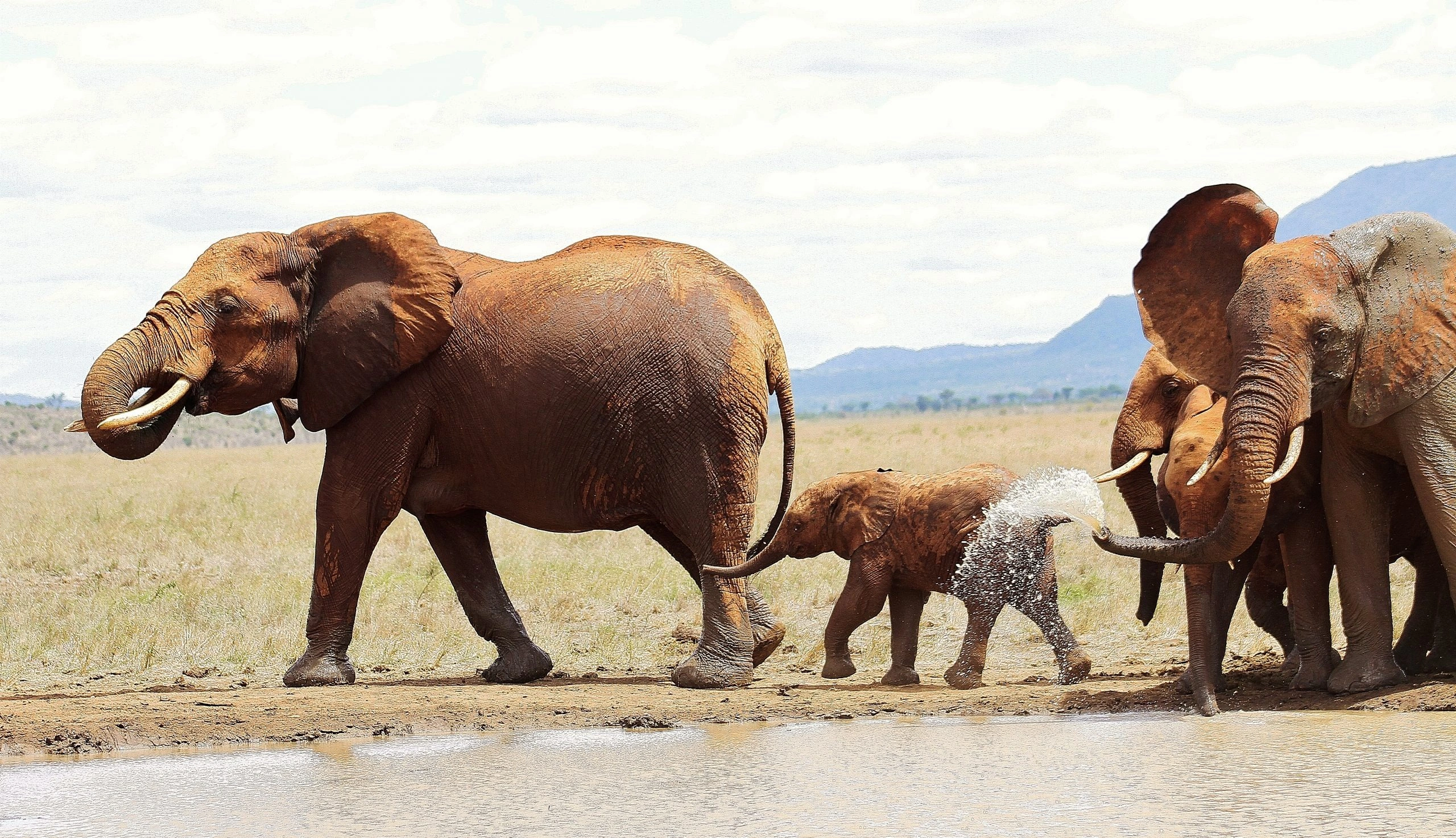
- Red elephants: elephants frequently coat themselves in the park’s iron-rich red soil.
- Galana River: a major wildlife corridor and one of the park’s defining landscapes.
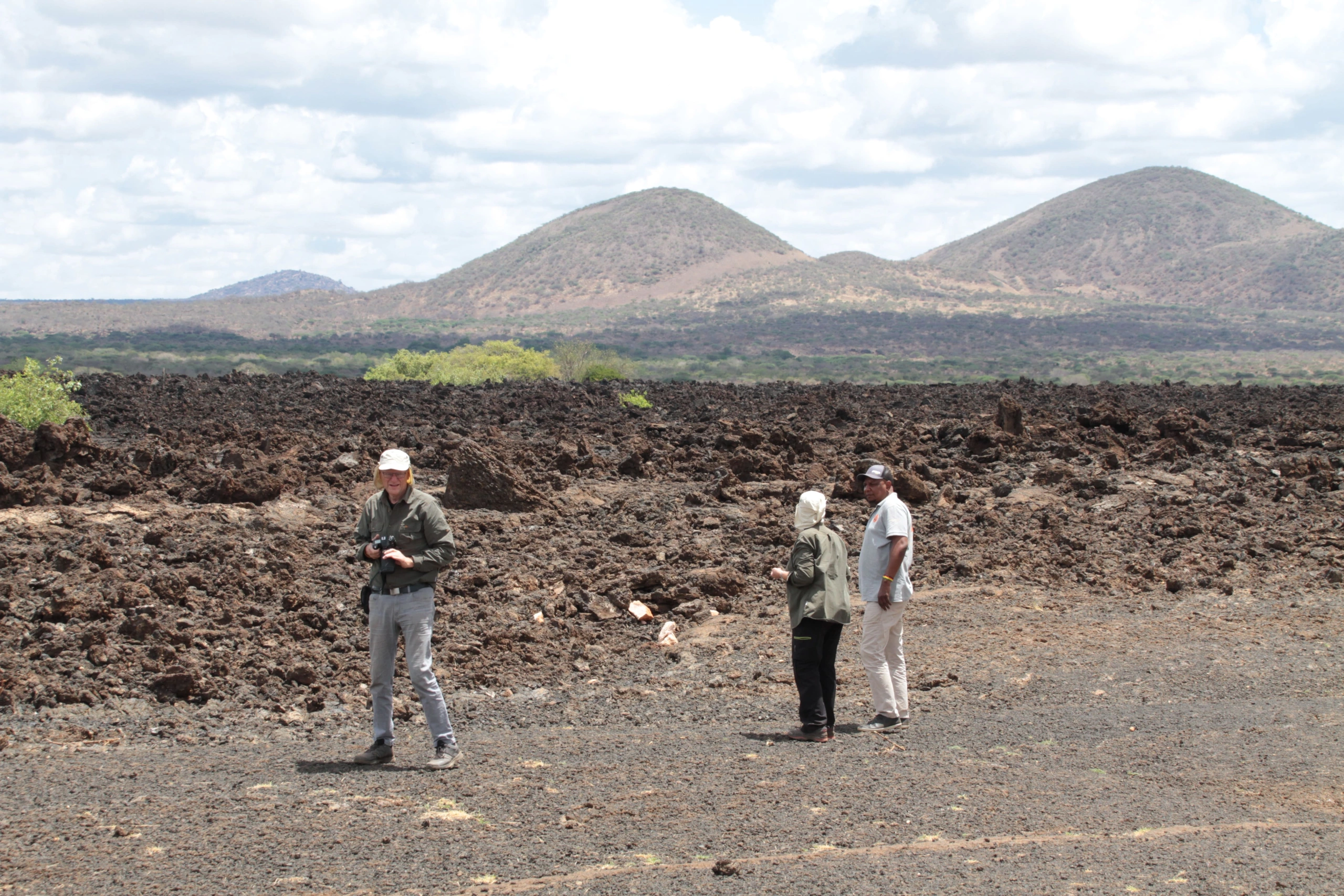
- Yatta Plateau: a vast ancient lava feature stretching across the northern sector.
- Dry-country wildlife: look for gerenuk, lesser kudu, oryx and other arid-adapted species.
- Coast-friendly routing: one of the easiest major parks to combine with Mombasa, Diani, Watamu or Malindi itineraries.
Scenery & Habitats
Tsavo East is characterised by sun-baked plains, thorn scrub, baobabs, seasonal watercourses and the green ribbon of the Galana River. Red soil creates the park’s signature colours, especially where elephants dust themselves after bathing. Mudanda Rock overlooks a natural water catchment, while the Yatta Plateau dominates the northern wilderness and reinforces the park’s volcanic history.
Activities
Game drives and birding are the core activities. The park rewards patient exploration rather than rushing between sightings, and long drives are part of its appeal. Key stops can include the Galana River, Lugard Falls, Mudanda Rock and waterholes when road conditions allow. Tsavo East combines naturally with Tsavo West for a broader Tsavo circuit.
Wildlife
Wildlife in Tsavo East National Park
Elephants are one of Tsavo East’s signature animals and may occur in large herds. Lion, buffalo, giraffe, zebra and several antelope species are also widely distributed. Cheetah and leopard are present but less predictable. The park is especially interesting for gerenuk, lesser kudu and fringe-eared oryx, while the critically endangered hirola may occur in remote eastern areas.
AbundantCommonOccasionalRareNone
African Elephant
Abundant
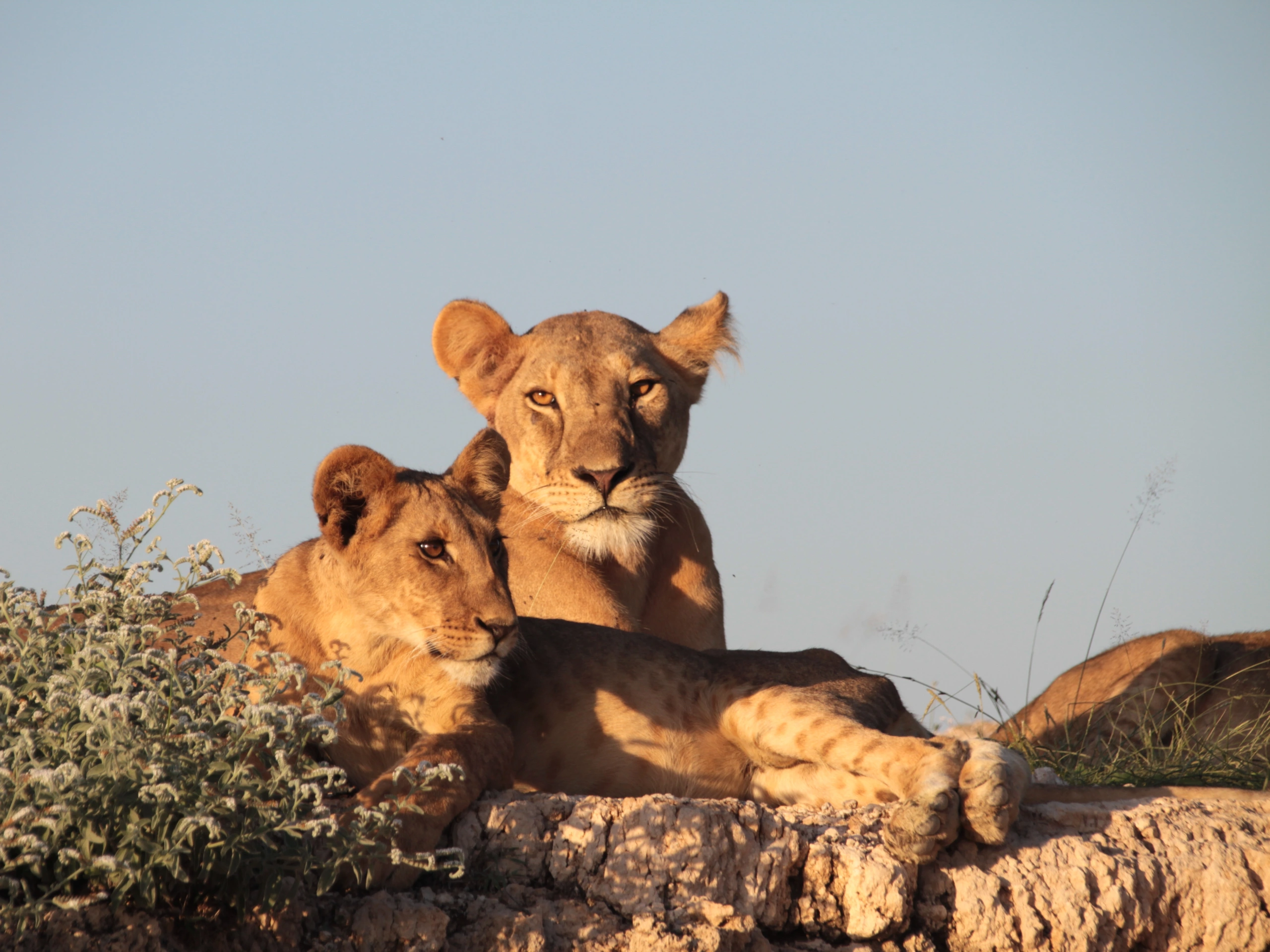 Lion
Common
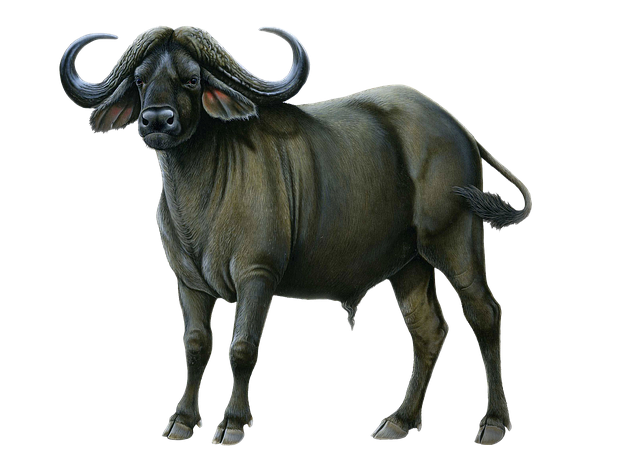 African Buffalo
Common
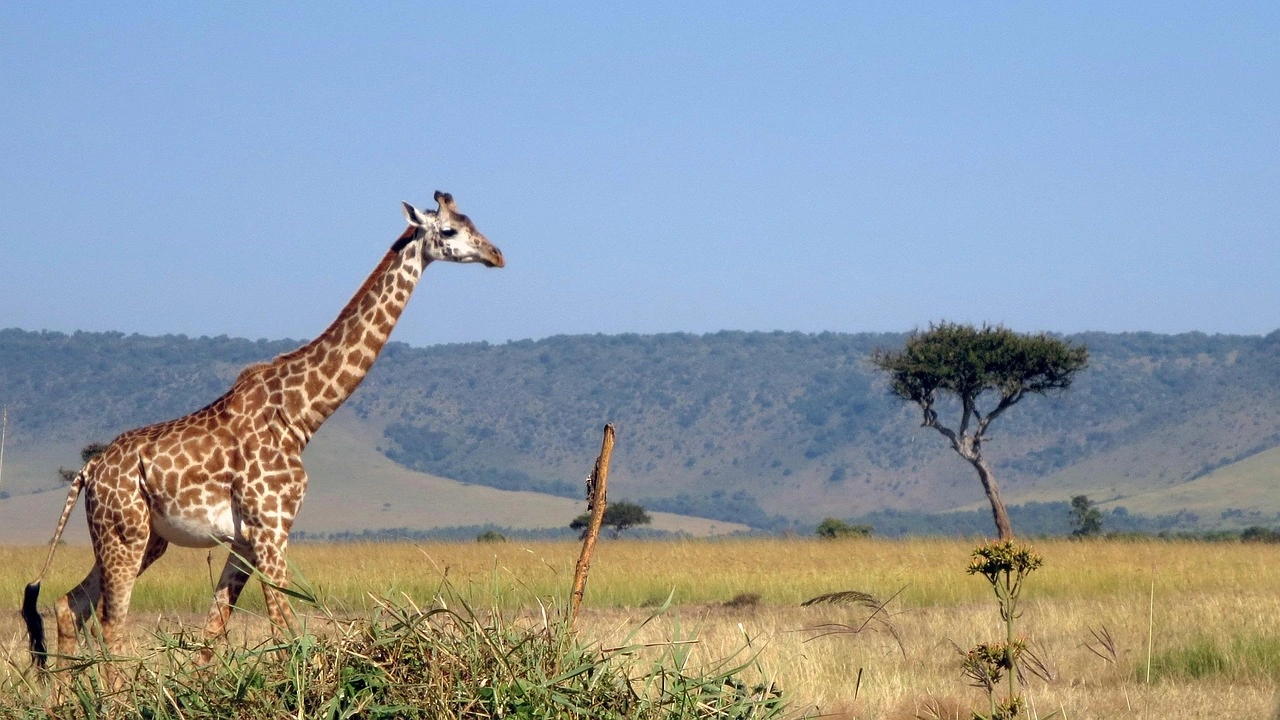 Giraffe
Common
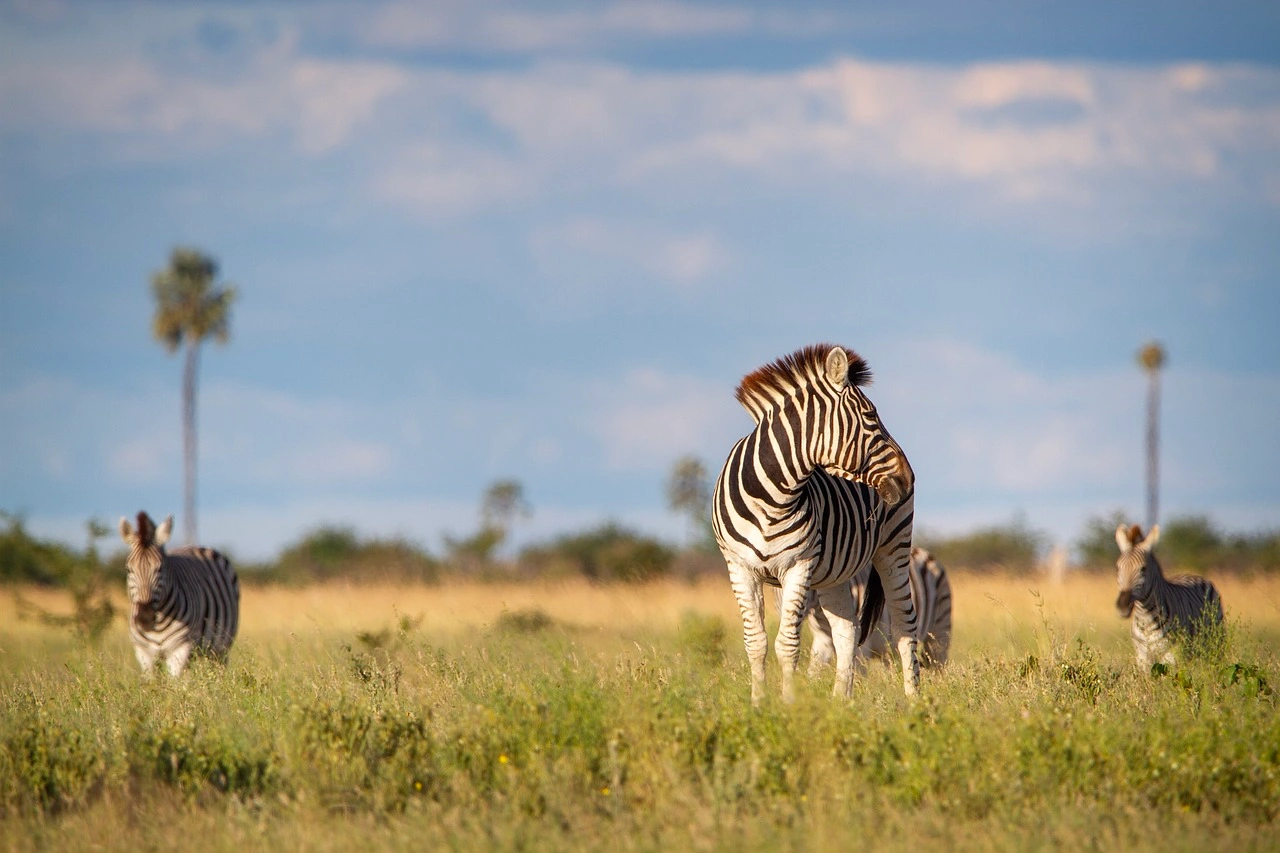 Plains Zebra
Common
 Gerenuk
Common
 Lesser Kudu
Occasional
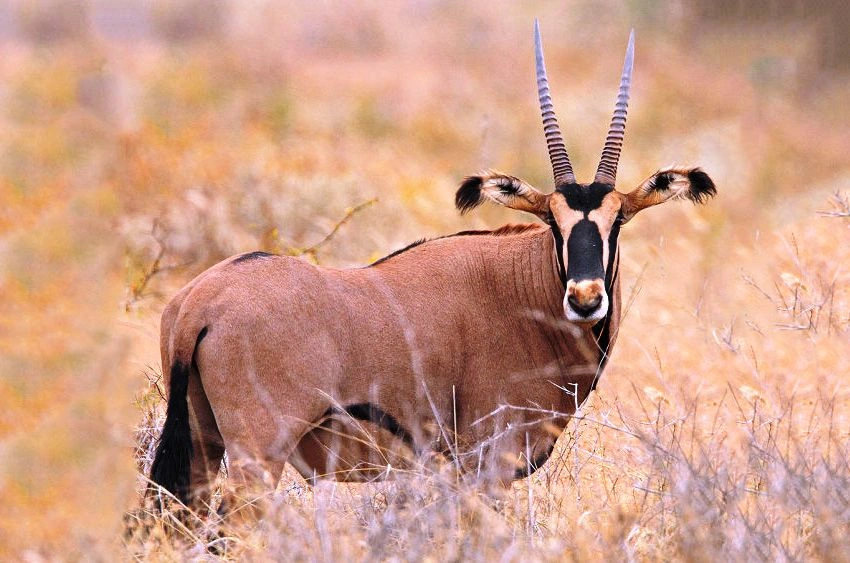 Fringe-eared Oryx
Occasional
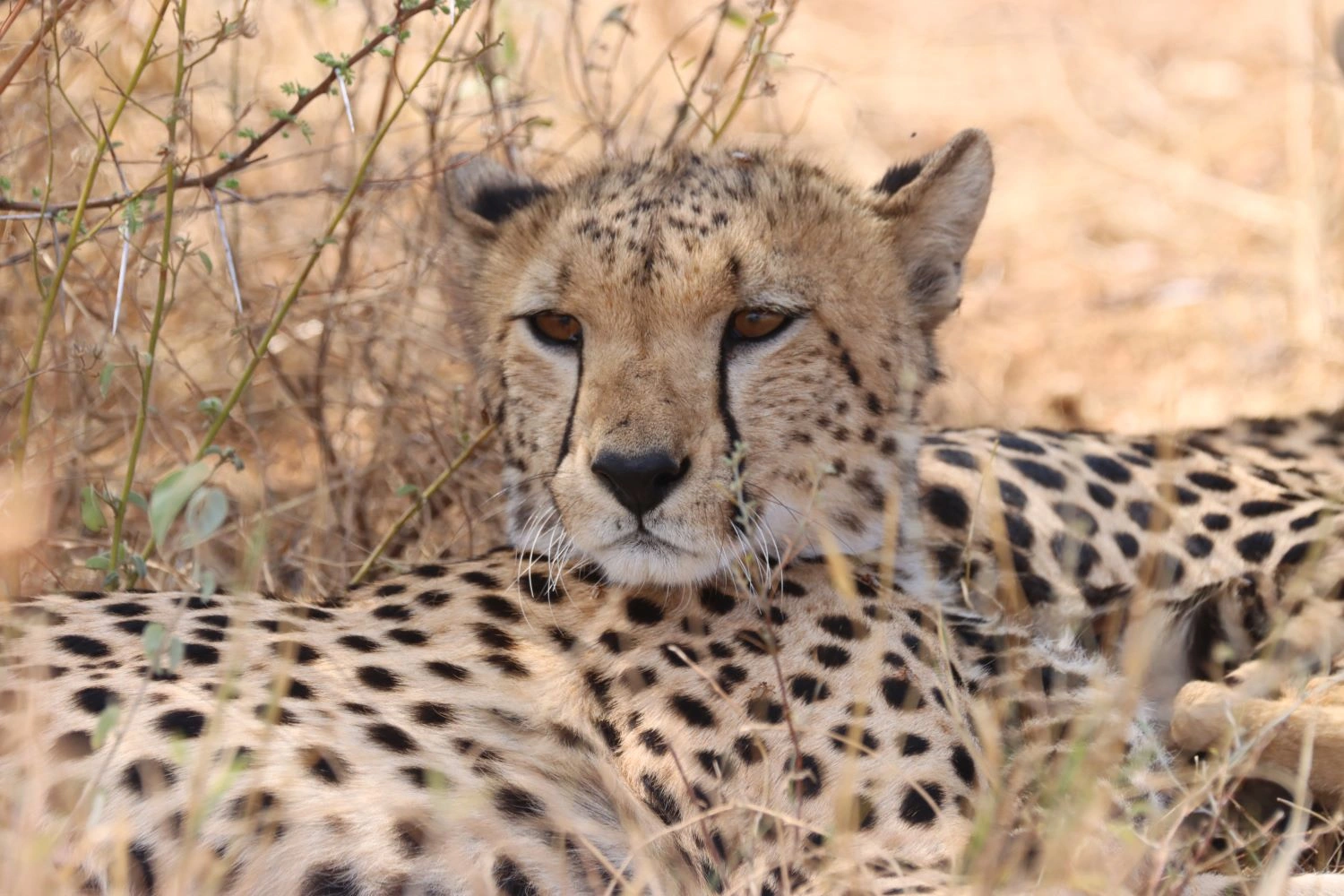 Cheetah
Occasional
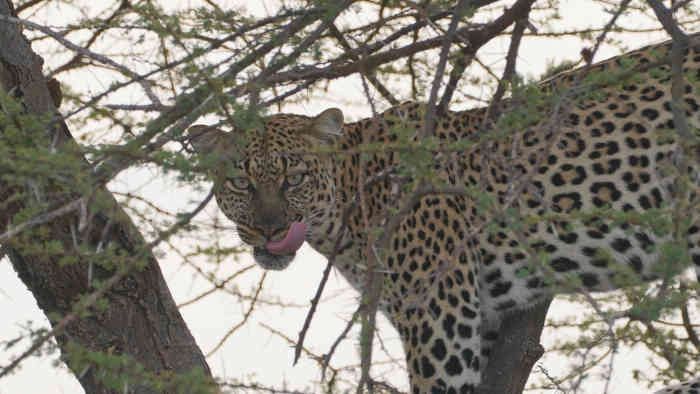 Leopard
Rare
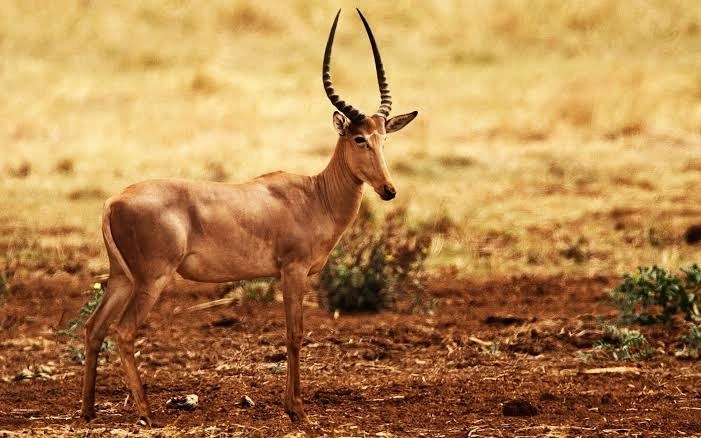 Hirola
Rare
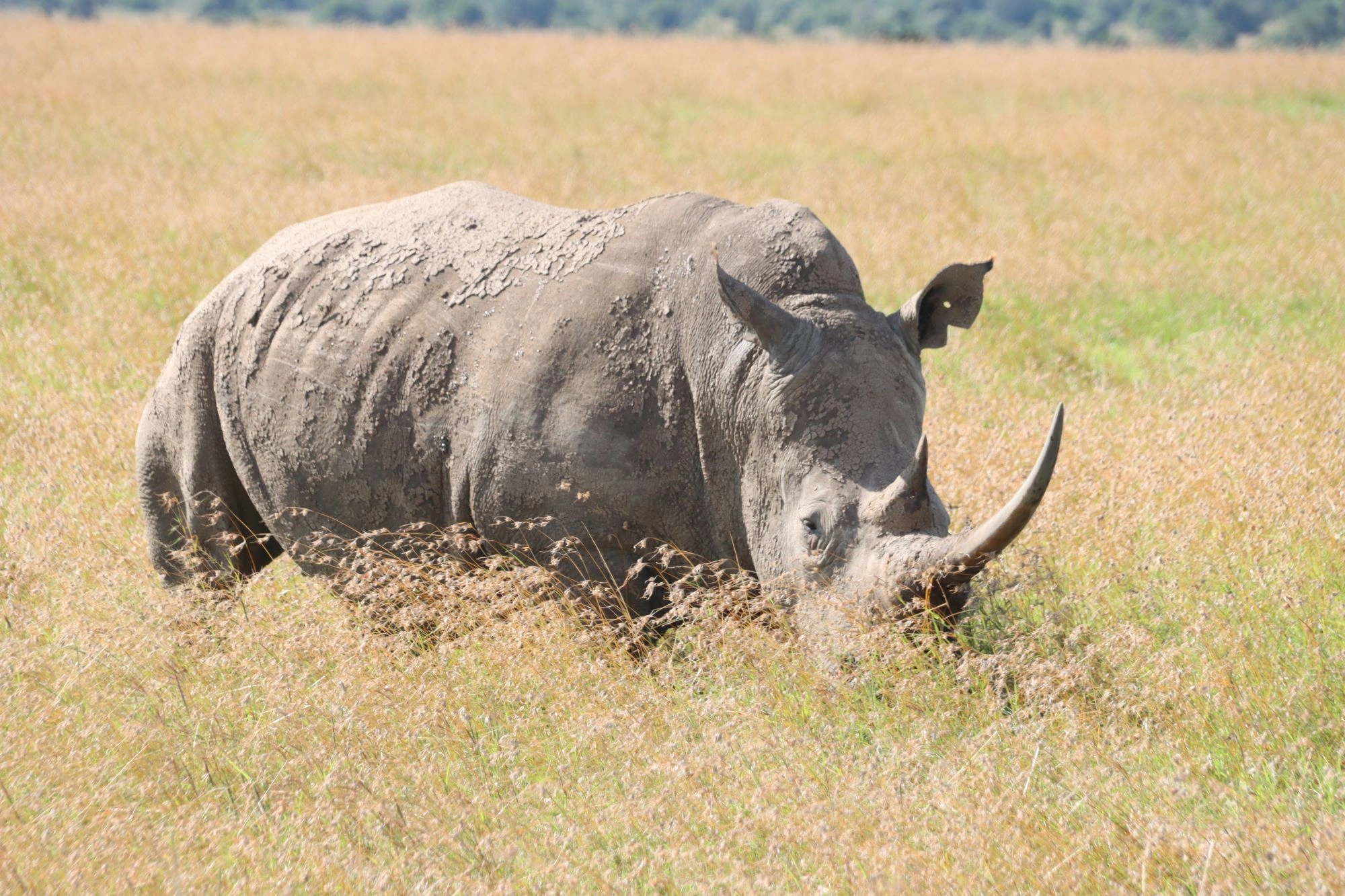 Black Rhinoceros
Rare to None
Birding
Birds of Tsavo East National Park
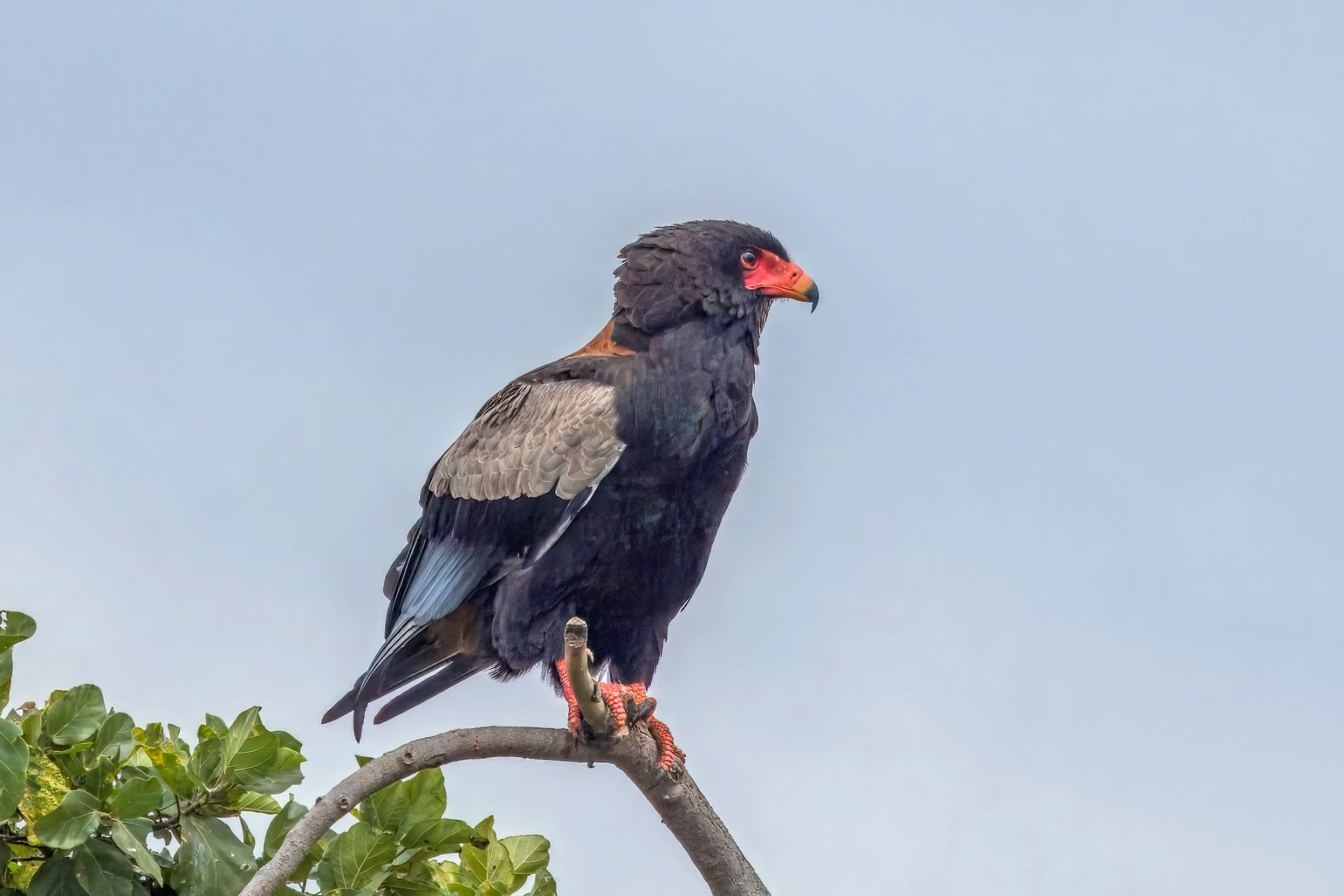
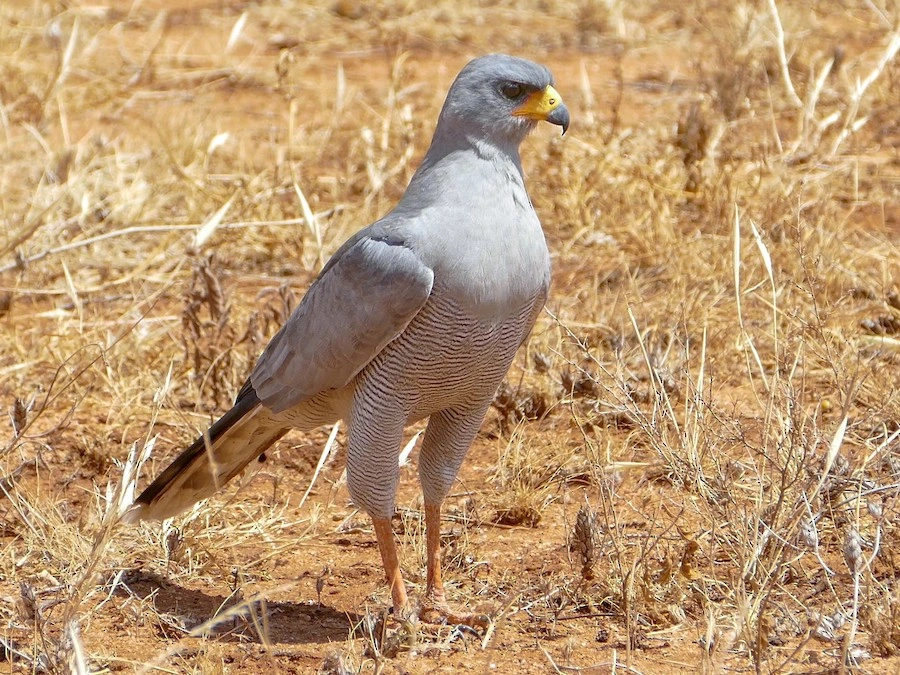
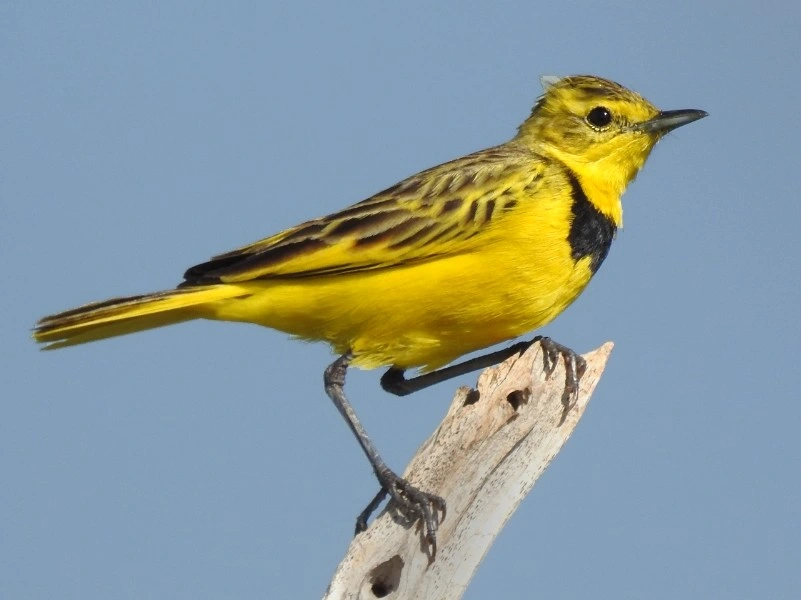
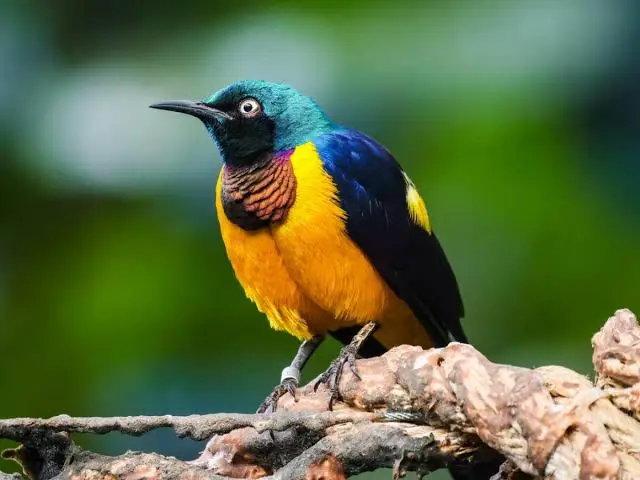
Tsavo East is an excellent dry-country birding destination with more than 500 recorded species in specialist references. Highlights include colourful starlings, vulturine guineafowl, Somali ostrich, sandgrouse, raptors and a wide range of arid-zone species. Migrants from the northern hemisphere increase diversity from November to April.
Notable Birds in Tsavo East National Park
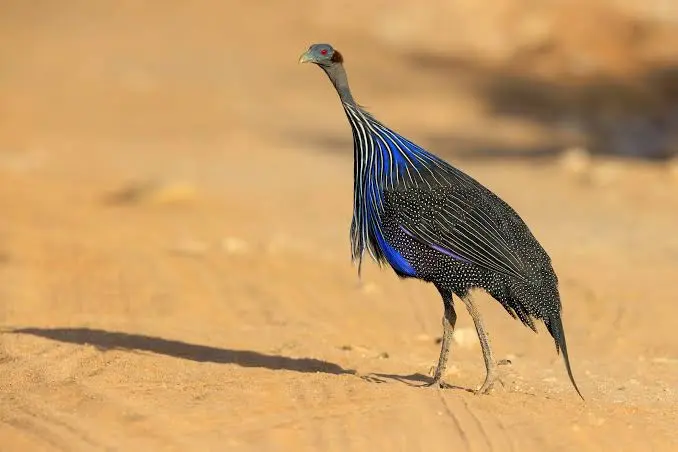
Birding Specials
Treats for avid birders(NE) near-endemic = mainly restricted to Kenya and neighbouring areas.
- Somali Ostrich
- Rosy-patched Bush-shrike
- Pygmy Falcon
- Martial Eagle
- Taita Falcon
- Taita Fiscal
- Somali Bee-eater
- Black-faced Sandgrouse
- Fischer's Starling
- Pangani Longclaw
- Red-bellied Parrot
Planning by season
Best Time To Visit Tsavo East National Park
June to October is usually the most reliable period for wildlife viewing because vegetation is thinner and animals concentrate around permanent or predictable water. January and February provide another useful dry window.
- June–October: best general game viewing, cooler conditions and little rain.
- January–February: hot but often rewarding for wildlife.
- April, May and November: wetter periods can spread wildlife over a wider area and make some tracks more difficult.
Climate guide
Weather & Climate
Tsavo East is hot for much of the year. Daytime temperatures commonly rise into the high twenties or low thirties Celsius, with the hottest conditions often around January to March. The long rains usually peak around April and the short rains around November. June to October is generally drier and somewhat cooler, though dust and haze can increase late in the dry season.
Route planning
How To Get To Tsavo East National Park
From Mombasa: Bachuma, Voi and Manyani gates are reached from the Nairobi–Mombasa highway. From Nairobi: Mtito Andei provides access from the same corridor. From Malindi: the western route via the C103 leads toward Sala Gate.
By air: Voi and Ithumba are among the principal airstrips used by light aircraft.
Official information: use the Kenya Wildlife Service Tsavo East page for current park notices and access guidance. Official entry applications and payments are available through the KWS eCitizen park-entry portal.
Map
Where is Tsavo East National Park?
Safaris
Safaris Visiting Tsavo East National Park
Published Greatlink routes that include this destination. Safari pricing is prepared from the traveller's enquiry.
3 Days / 2 Nights
3-Day Tsavo West & Tsavo East Safari
Personalised Quote Based on your enquiry
View Safari
14 Days / 13 Nights
14-Day Kenya Grand Safari: Tsavo, Samburu, Mara & Amboseli
Personalised Quote Based on your enquiry
View Safari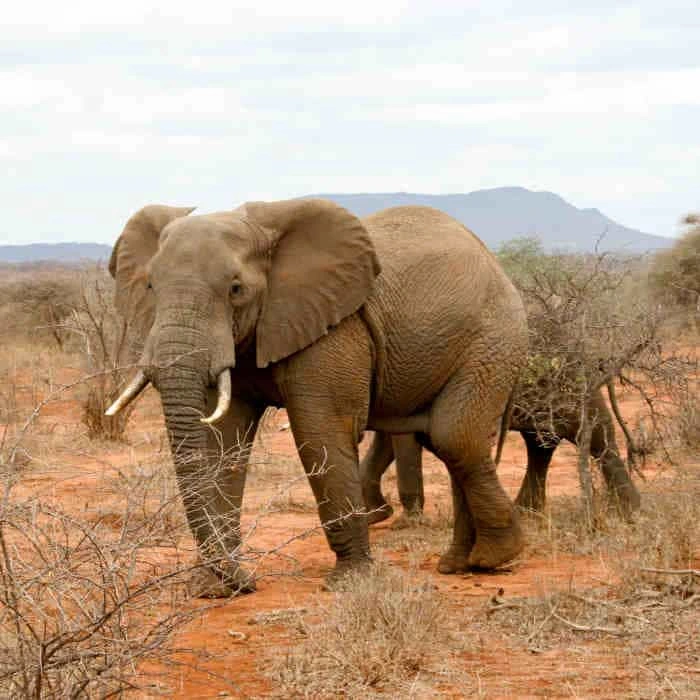
6 Days / 5 Nights
6-Day Shimba Hills, Tsavo & Amboseli Safari
Personalised Quote Based on your enquiry
View Safari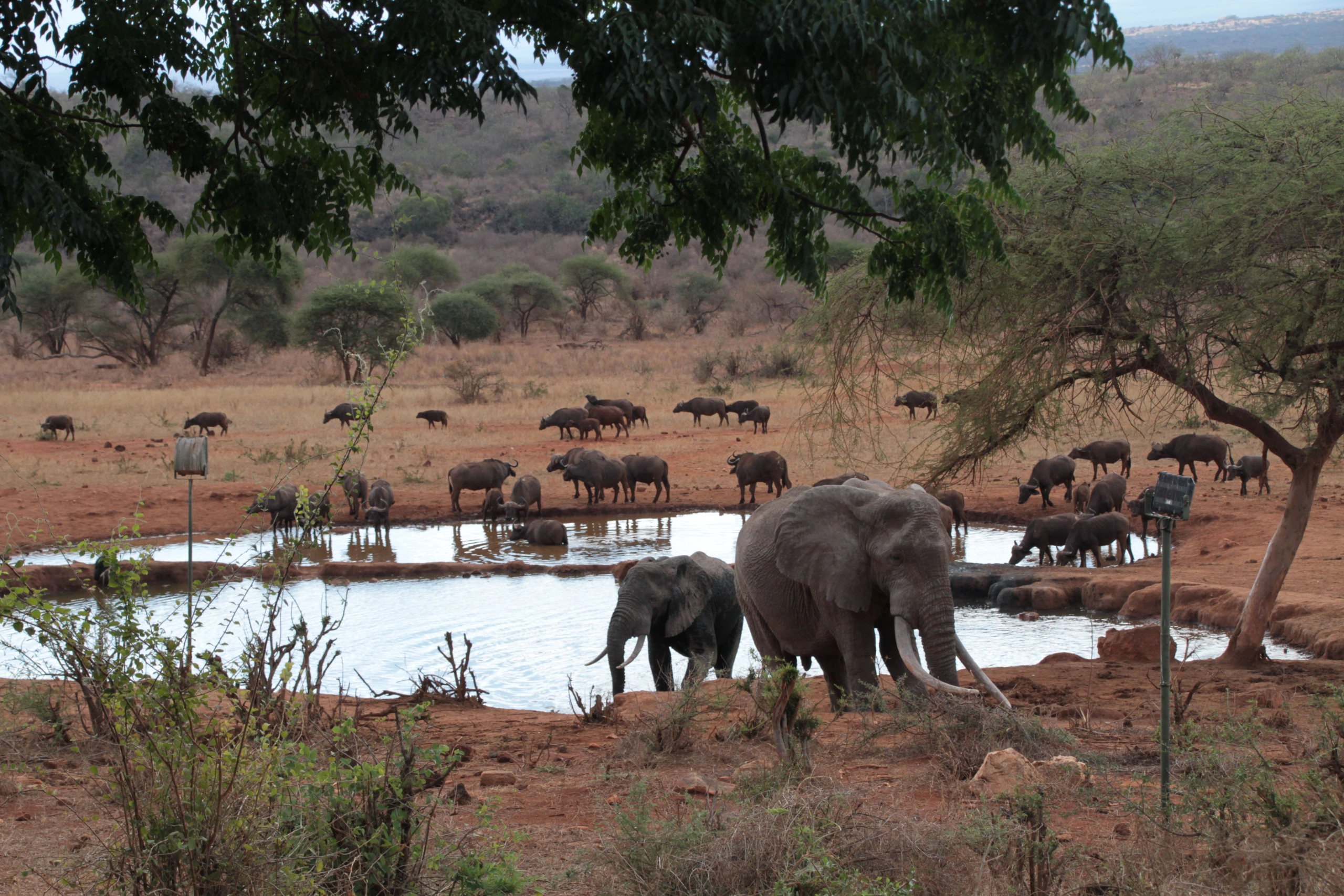
10 Days / 9 Nights
10-Day Tsavo, Masai Mara, Rift Valley & Amboseli Safari
Personalised Quote Based on your enquiry
View Safari